Sensory, Behavior and Cognition (SBC) Lab
The Sensory, Behavior and Cognition (SBC) Lab is dedicated to Education, Research, and Public Engagement activities.
The goal of the laboratory is to study and understand the sensory perception of foods and people’s behavior in relation to food, in order to promote healthy and sustainable food choices.
The laboratory stands out for its strong multidisciplinarity, characterized by a team with expertise ranging from food technology to neuroscience and medicine.
This characteristic allows the laboratory to approach each project with a unique and innovative perspective.
Training
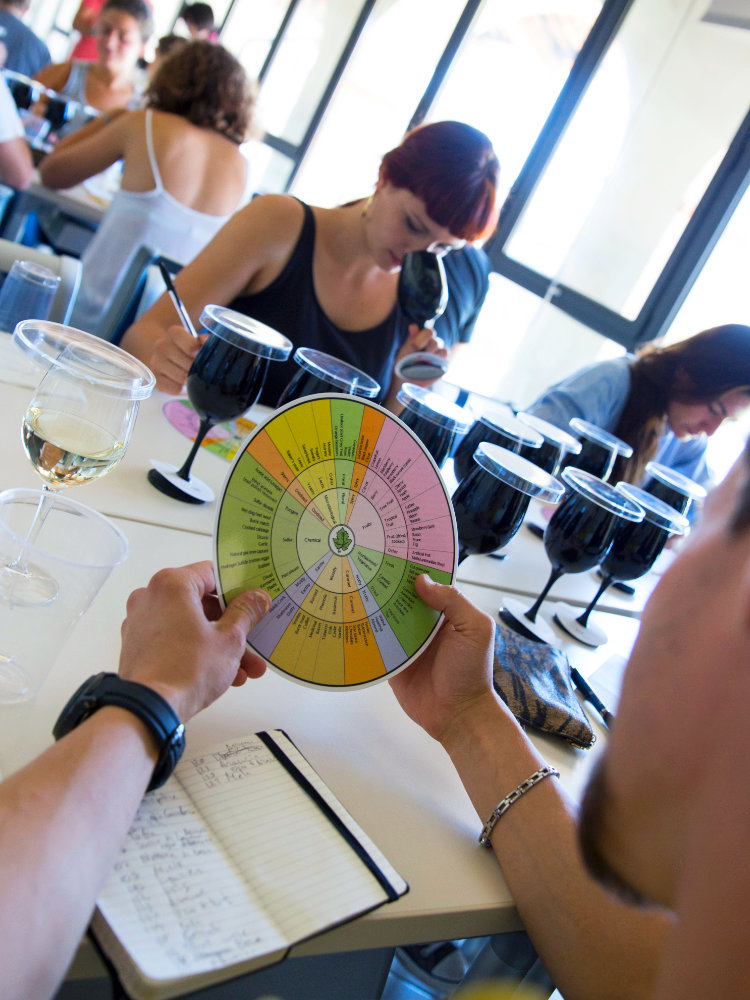
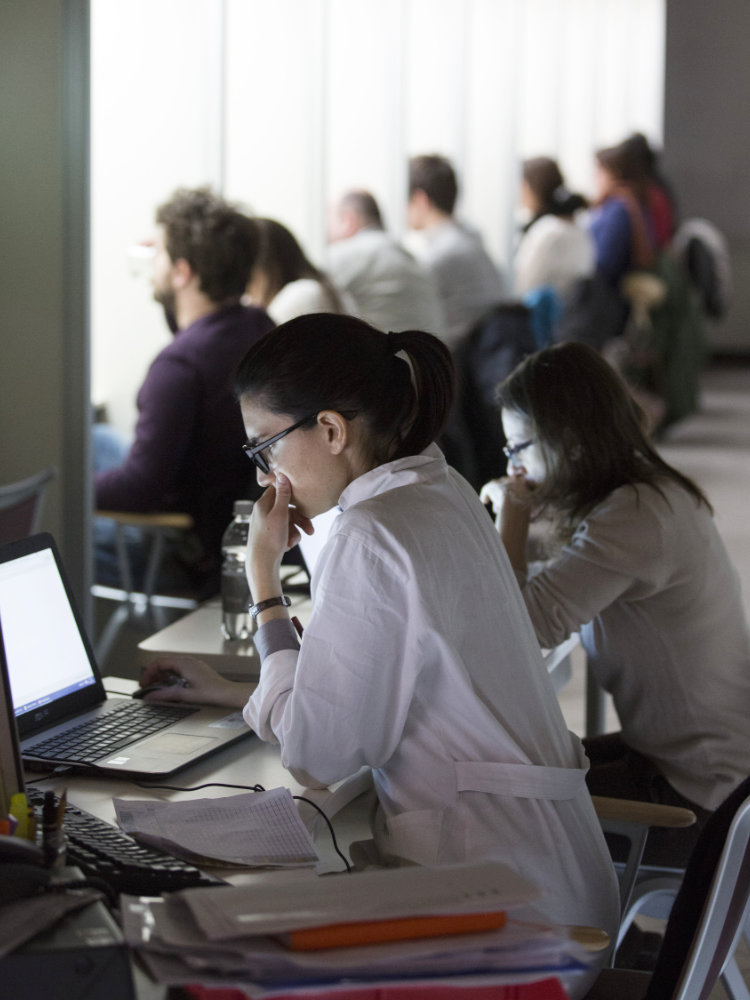
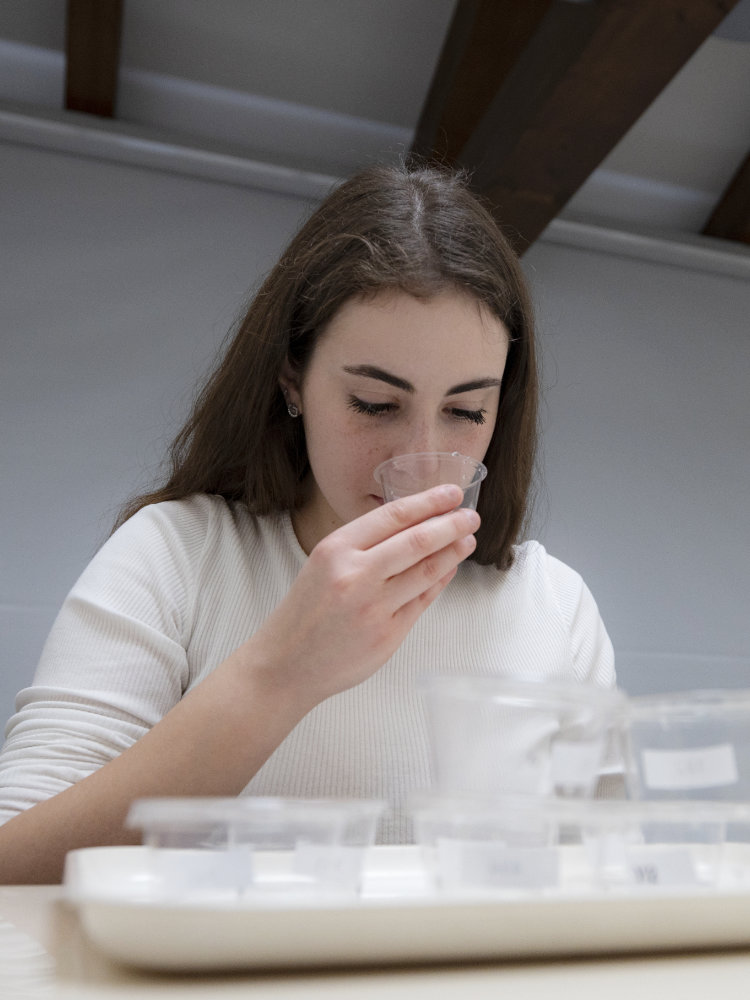
The structure hosts the practical exercises provided for in the Sensory Analysis and Consumer Science courses dedicated to all students enrolled in the university’s three-year, master’s and master’s degree courses. During the practical activities, students learn the main sensory analysis techniques applied to food and beverages, to compare and evaluate the food quality and their modifications during storage. Furthermore, the Laboratory is frequently used by students for thesis projects that envisage a part related to the study of sensory perception. Furthermore, students frequently participate on a voluntary basis in the various research projects in which the Laboratory staff is engaged.
Research
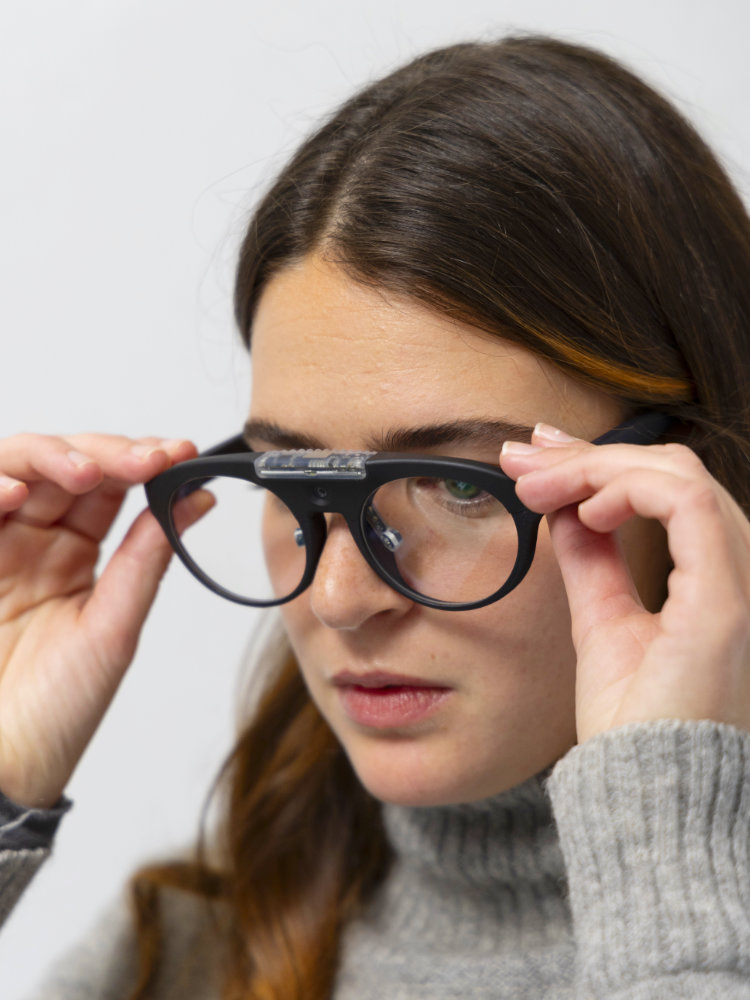
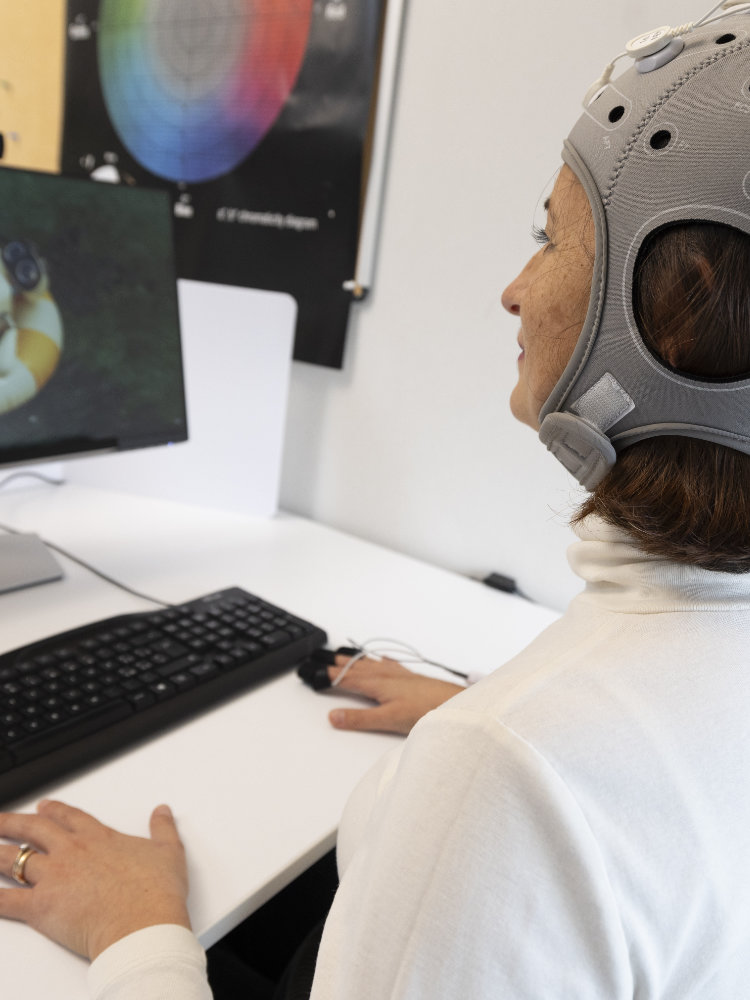
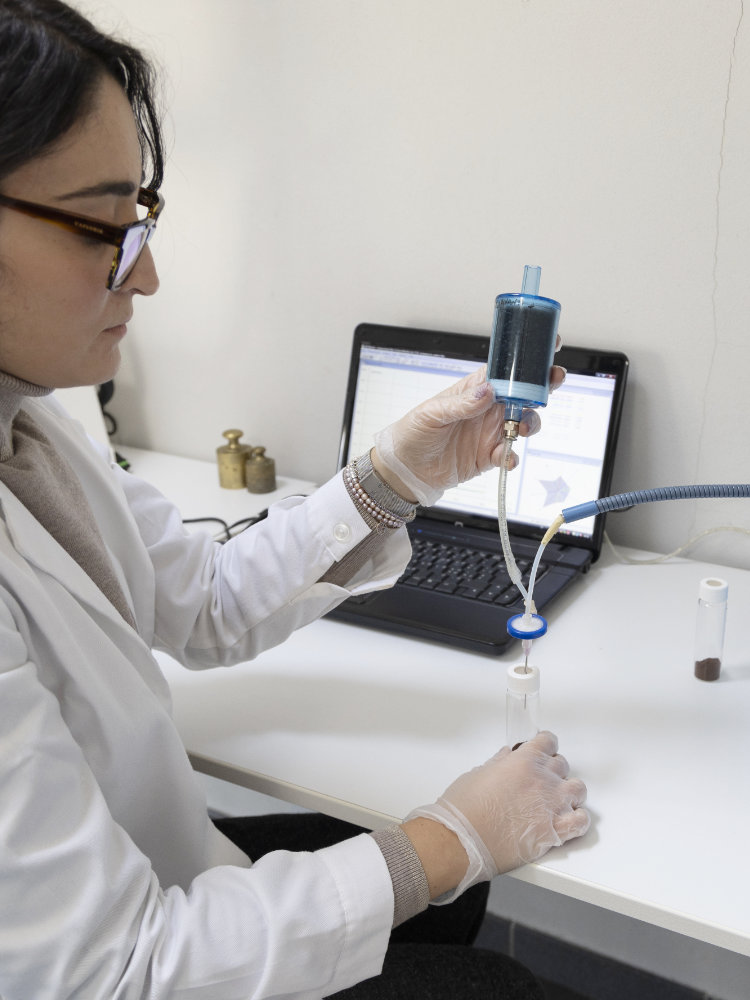
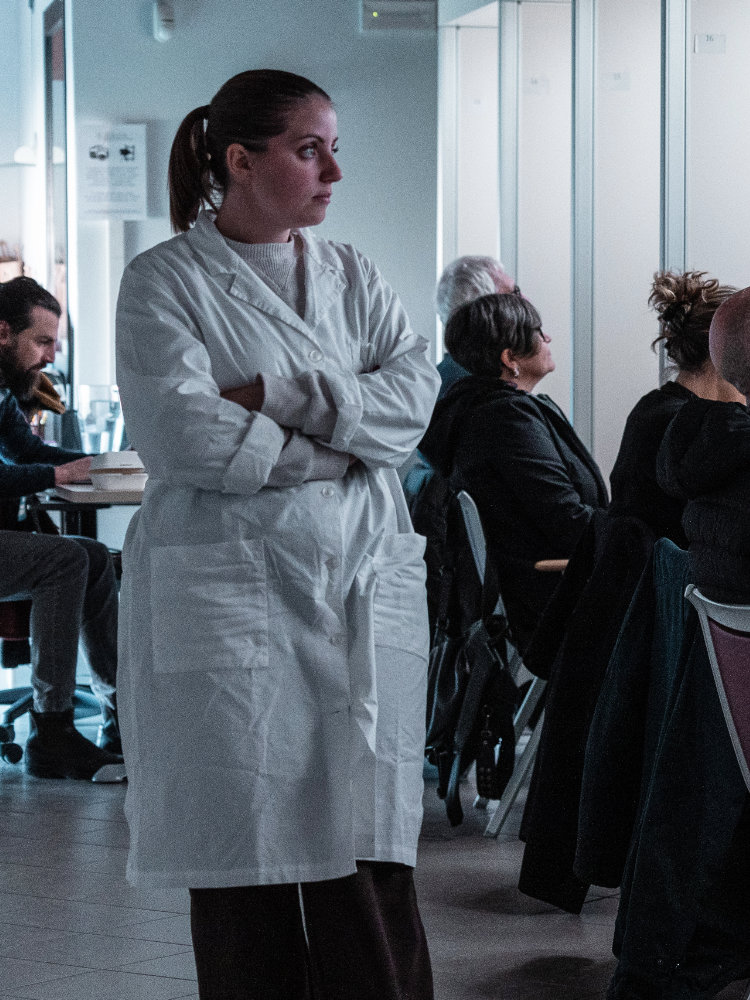
The Lab develops research projects both independently and in collaboration with other Italian and international universities and research institutions. The research topics it addresses fall within the University’s interdisciplinary research areas known as "Quality & Innovation" and "Ecology & Sustainability"—and focus mainly on:
- The study of eating behaviors and habits.
- Analysis of how individual variability (differences from one person to another) affects perceptual and hedonic-emotional responses to food.
- Evaluation of consumer response to innovative food products and novel foods that offer significant health and/or sustainability benefits—often derived from virtuous circular economy practices.
Given its inherent complexity, the study of eating behaviors requires investigating many variables—which calls for an interdisciplinary approach.
In sensory experiments, different methods are often combined, including: tasting food products, model foods, aqueous solutions, or olfactory standards; collecting data to profile panelists (e.g., through questionnaires on sociodemographic factors, eating styles and habits, personality traits, etc.); using implicit methods drawn from psychology and marketing; and running genetic tests to assess how genetic variants linked to taste and smell receptors may influence food preferences.
The competitive research grants involving the Lab’s staff on topics related to consumer perception of sustainability and the circular economy include:
Third Mission – Research and consultancy on contract for third parties
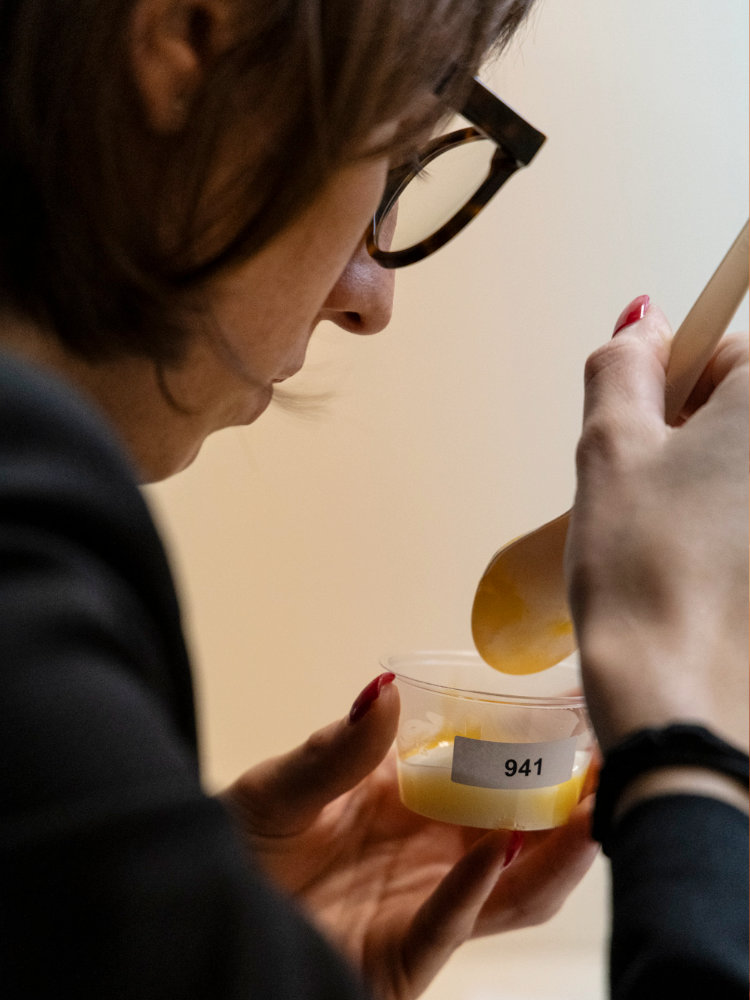
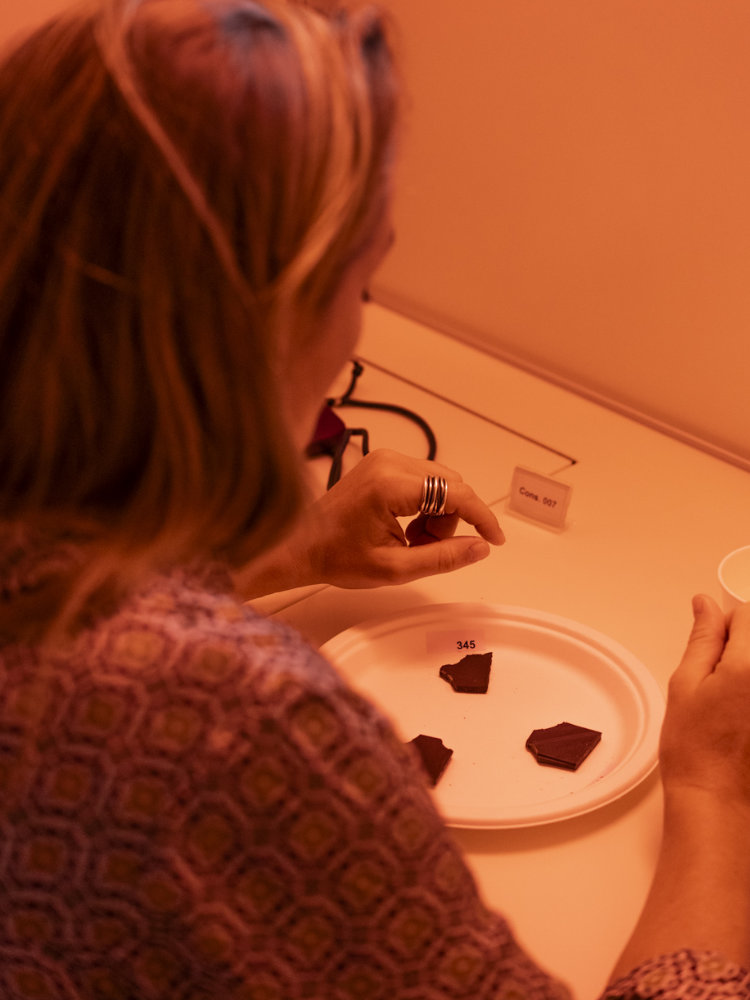
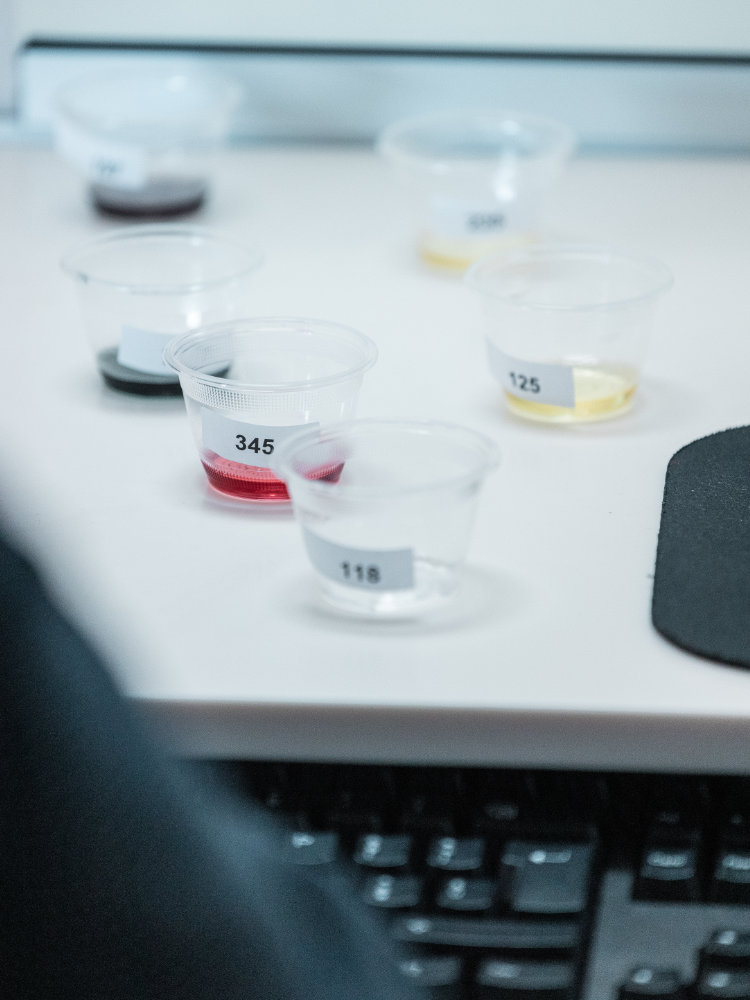
The laboratory is also available to companies wishing to study the sensory properties of their products or the affective response of consumers towards their products with scientific approaches, obtaining important elements of judgment and comparison about the quality of the same, with the release of a report of analysis.
Sensory analysis tests allow to study the quality of a food product or gastronomic preparation. Through the application of “discriminative”, “descriptive” and “similarity” sensory methods, it is possible, for example, to understand whether there are significant differences between similar products, what intensity the differences are and which sensorial attributes may possibly be related to.
With the “affective” tests it is possible to investigate the liking, the preference, the availability of purchase, and more generally, the perception of the products by consumers. It is therefore possible to obtain information that represents a valid support in the development of new foods and in marketing strategies.
The main lines of action concern:
- the definition of the sensory profile of a typical product or an industrial food;
- the assessment of the influence of ingredients, process variables and packaging on the sensory properties of the finished product;
- the verification of the sensory conformity of a product with the company standard or with the specifications of the production specification;
- the comparison between an innovative product and a traditional one;
- the comparison of the sensory characteristics of one’s own product with those of competing products on the market;
- identification of the sensory shelf-life of the products, that is the period of time in which the foods show an undetectable modification of the sensory properties;
- the identification of consumer preference drivers.
Structure
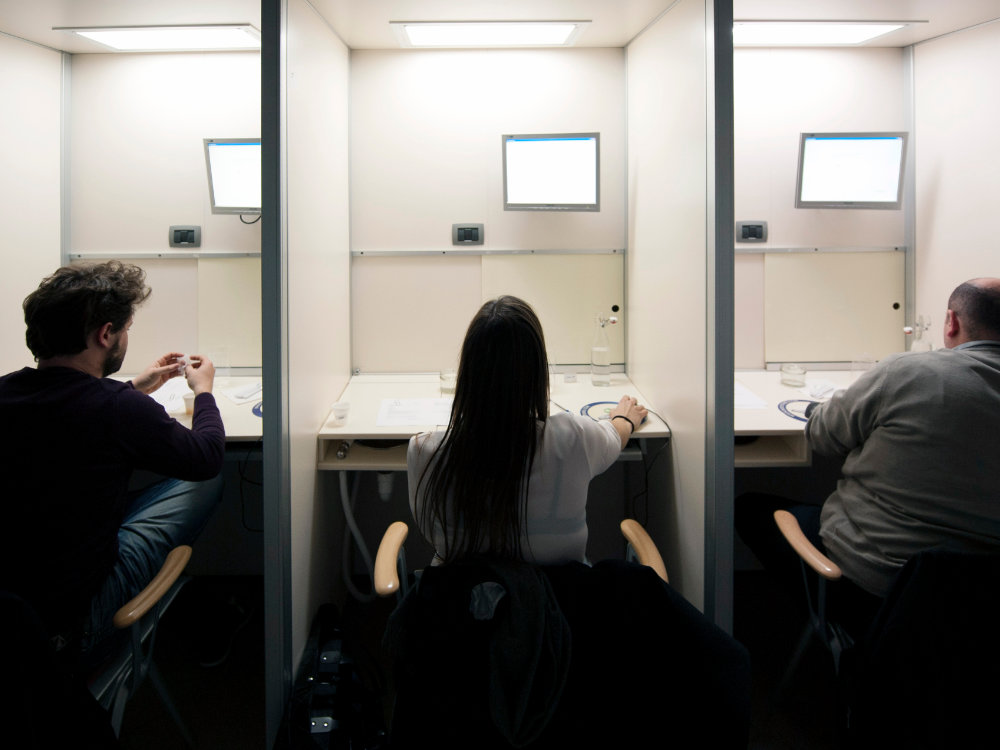
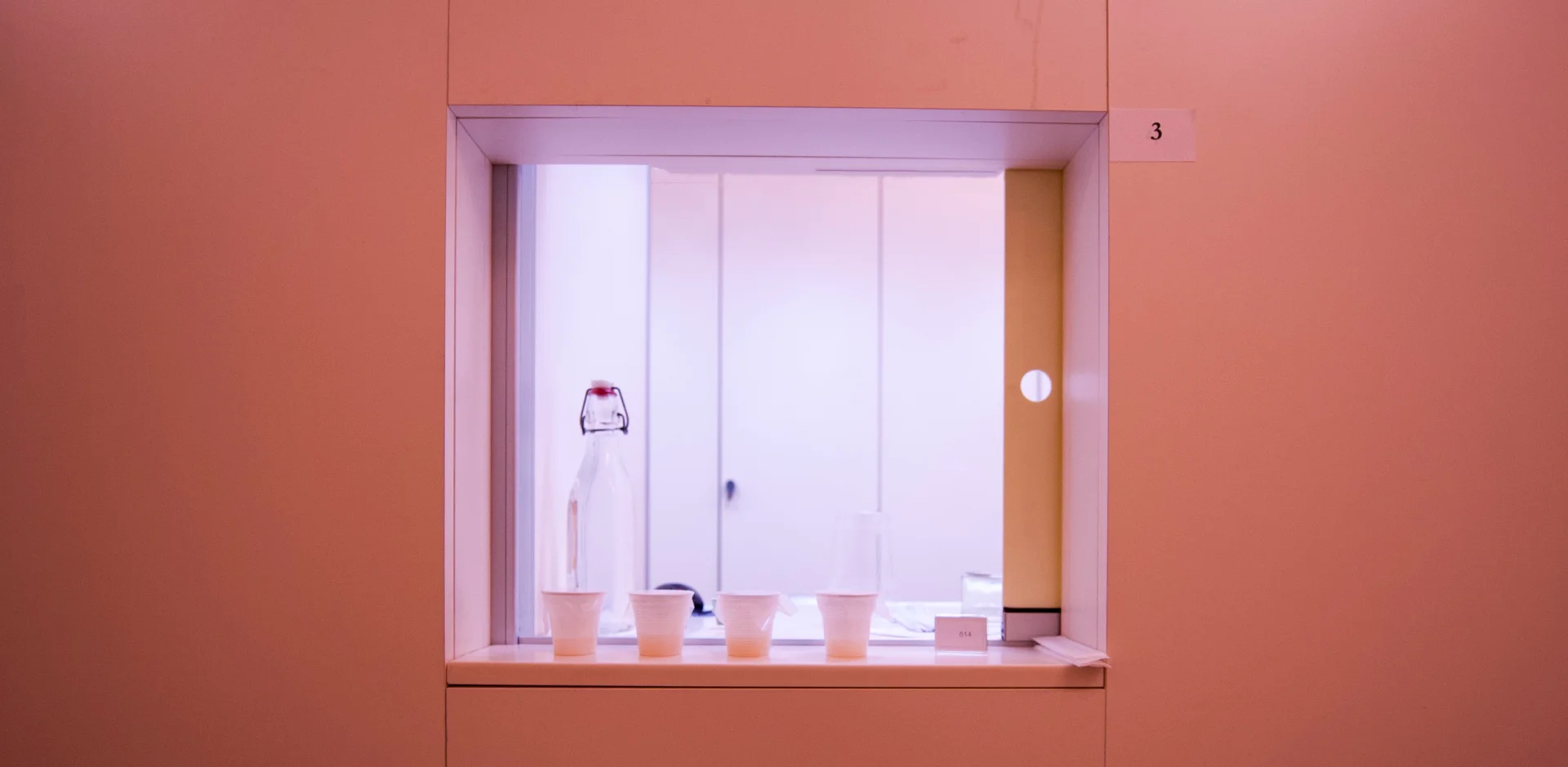
The laboratory consists of 24 booths for individual assessments and a kitchen equipped for the preparation and storage of the food to be tested. The booths are equipped with a computerized data collection system and lights (white and colored) to allow the evaluation of products in conditions of masked appearance.
By its nature, the laboratory is structured in such a way as to allow the study of the perception of food and beverage in a controlled environment, which allows to modulate variables that influence sensory perception, such as the conditions of food administration (quantity, serving temperature , order of presentation, etc.), the tasting methods, the main environmental conditions (such as lighting and the presence of noise, the presence of other people, etc.).
Contatti

Dott.ssa Maria Piochi, Vice Director
Dott.ssa Chiara Nervo, Technician