
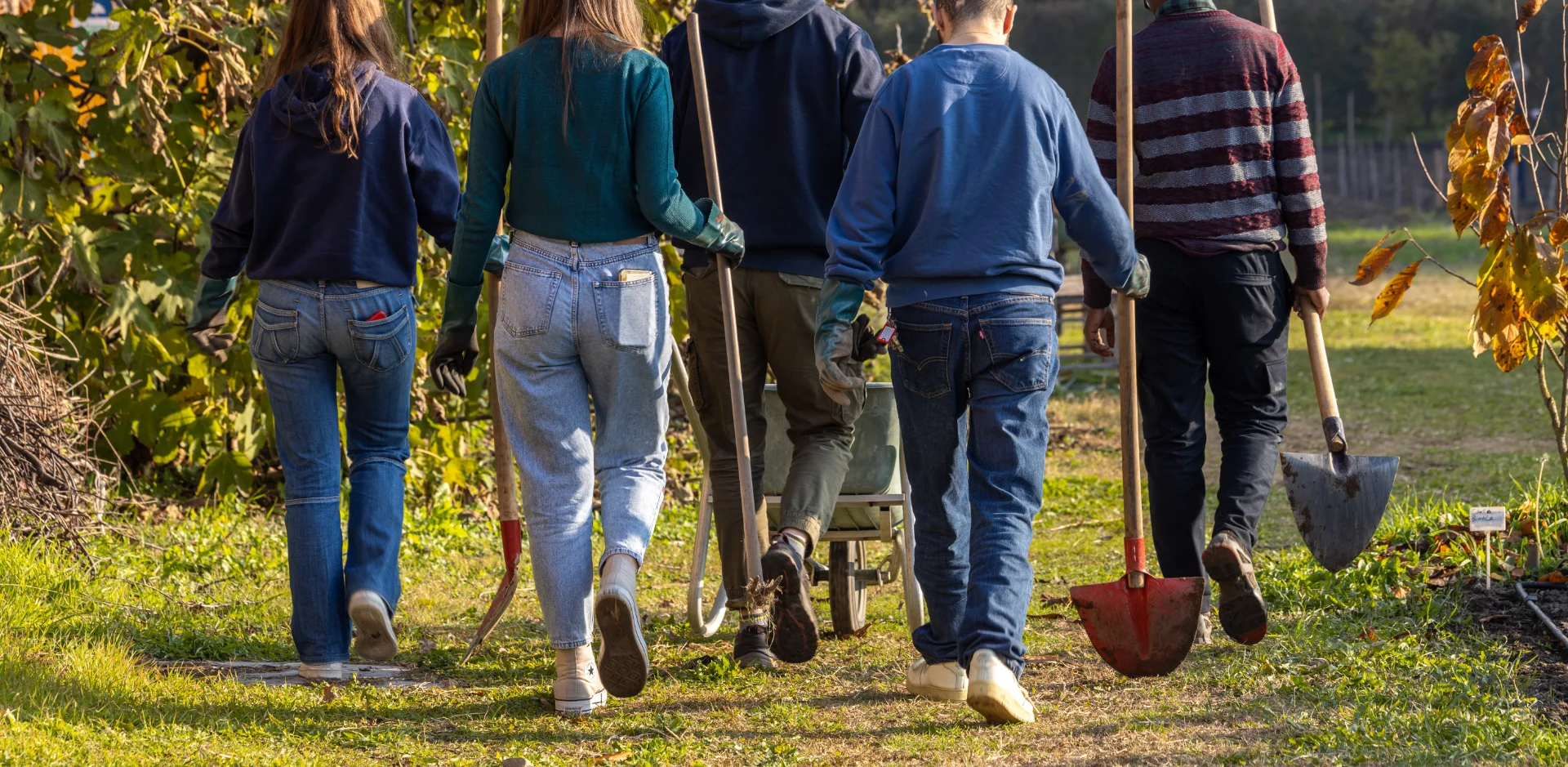
Didactic Garden
Gastronomic Sciences, as a new academic discipline entirely dedicated to food, represents a body of scientific and humanistic knowledge that defines a systemic approach to food as a subject of study.
The Agroecology Laboratory comprises four sections, designed to serve as a model of sustainability with ecological goals (biodiversity, soil fertility, water and air quality, renewable energy, and animal welfare), economic goals (self-production of vegetables for the dining hall and seeds of local varieties), and socio-cultural goals (education, community building, physical activity, and the consumption of organic, local, seasonal, and fresh food).
Mission
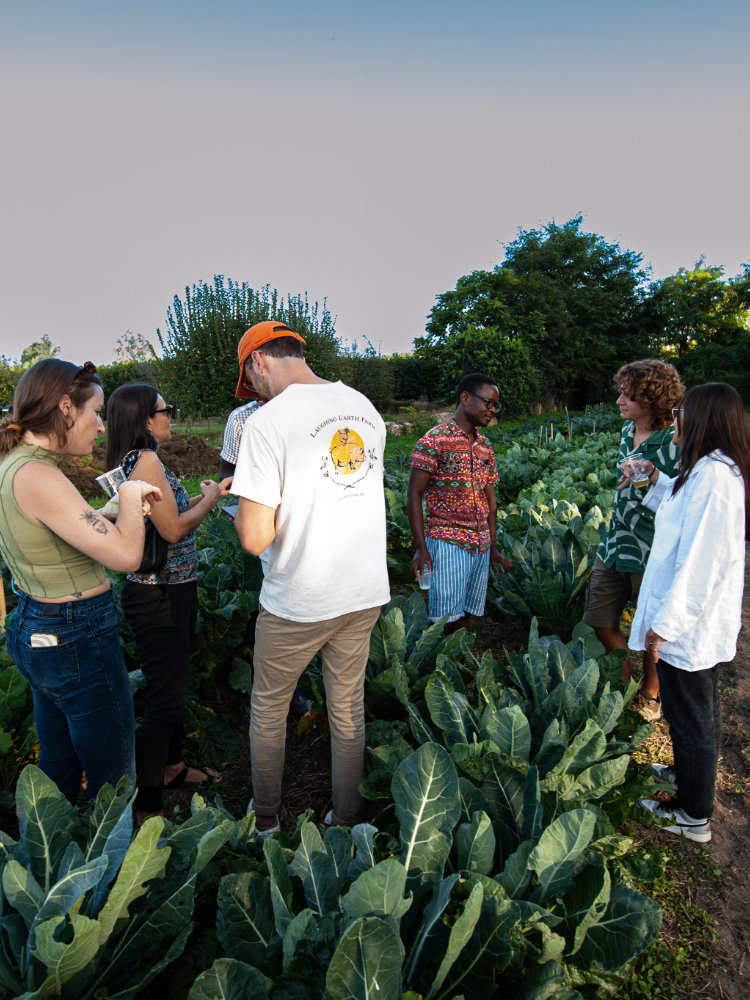
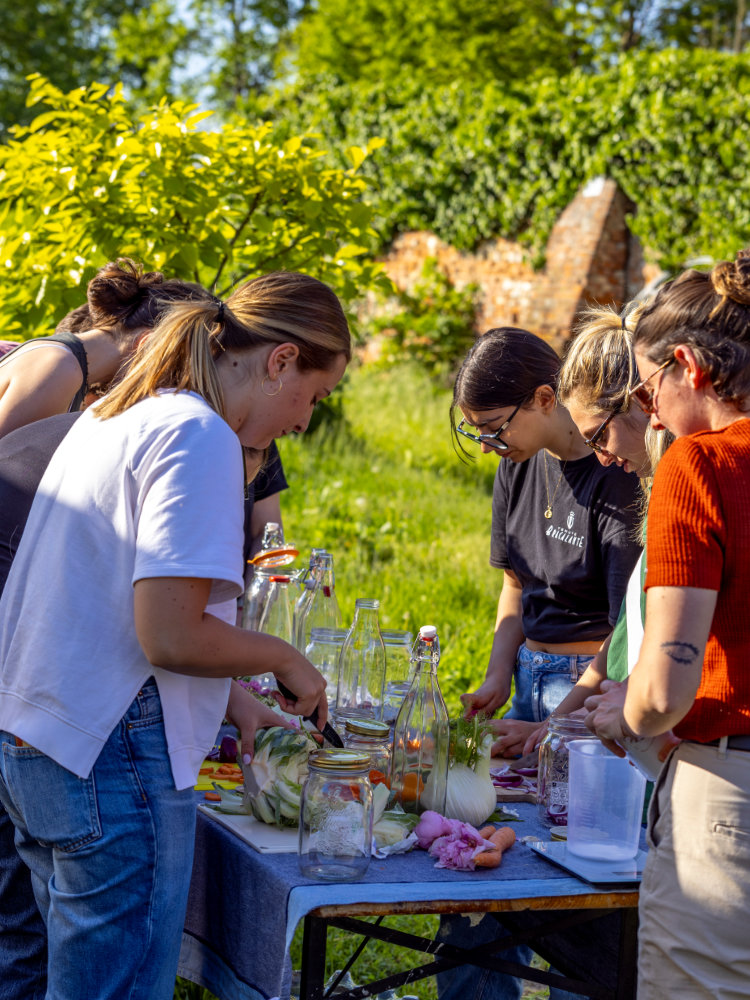
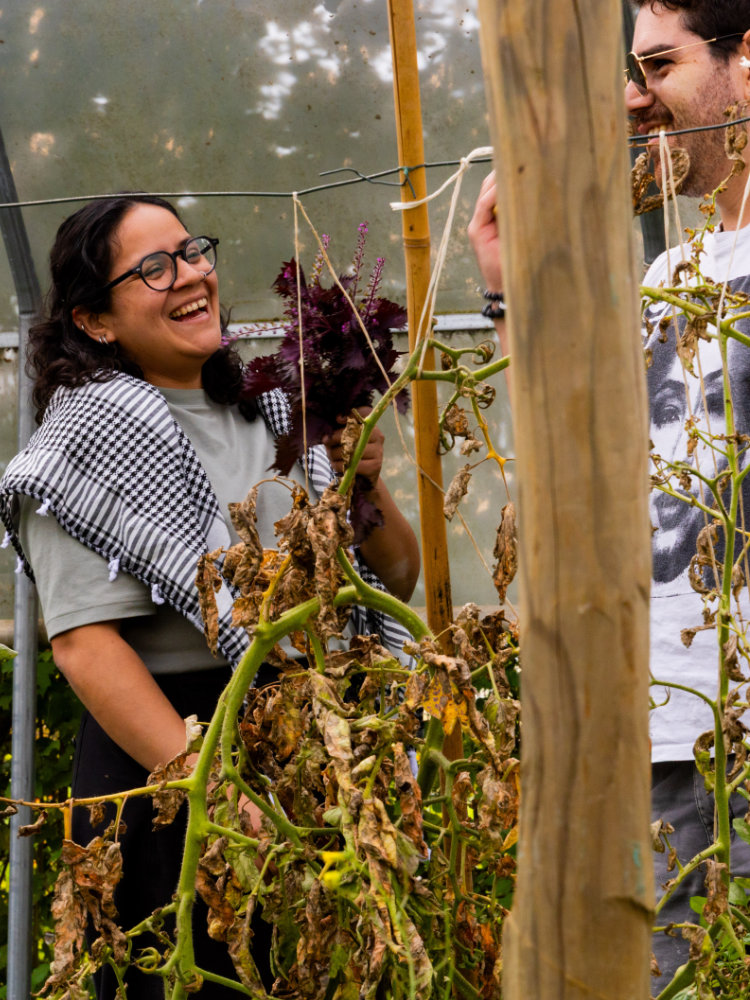
The university's gardens represent the ideal laboratory for the practical application of agroecological principles developed in the classroom and encountered during study trips. Through this experience, future gastronomists have the opportunity to engage with and explore the remarkable complexity of the natural world: the cycle of life, seasonal rhythms, the dedication and effort of farming, the value of food, and — not least — ecological and agronomic production techniques and the value of biodiversity, all of which are the subject of ongoing field research.
The primary goal of the UNISG gardens is to contribute to the formation of gastronomists who are aware, informed, and critically engaged with different food production methods; capable of effective dialogue with actors in the agricultural sector; equipped to manage sustainable food production, including its transformation, trade, and consumption; and able to develop social and educational projects connected to a garden.
Current Gardens
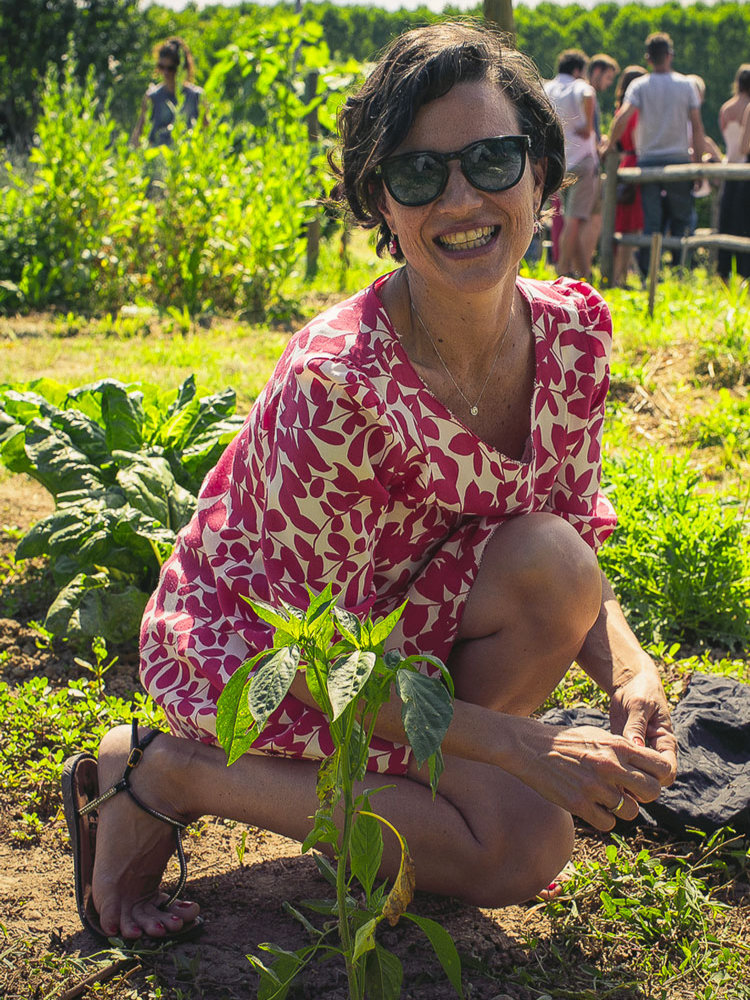
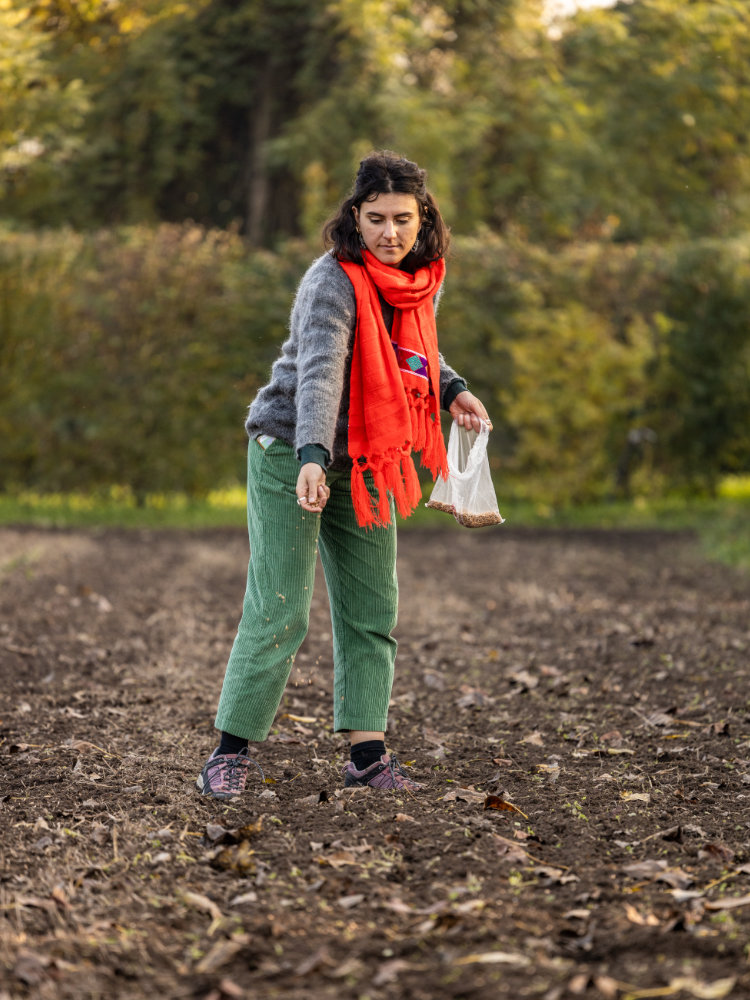
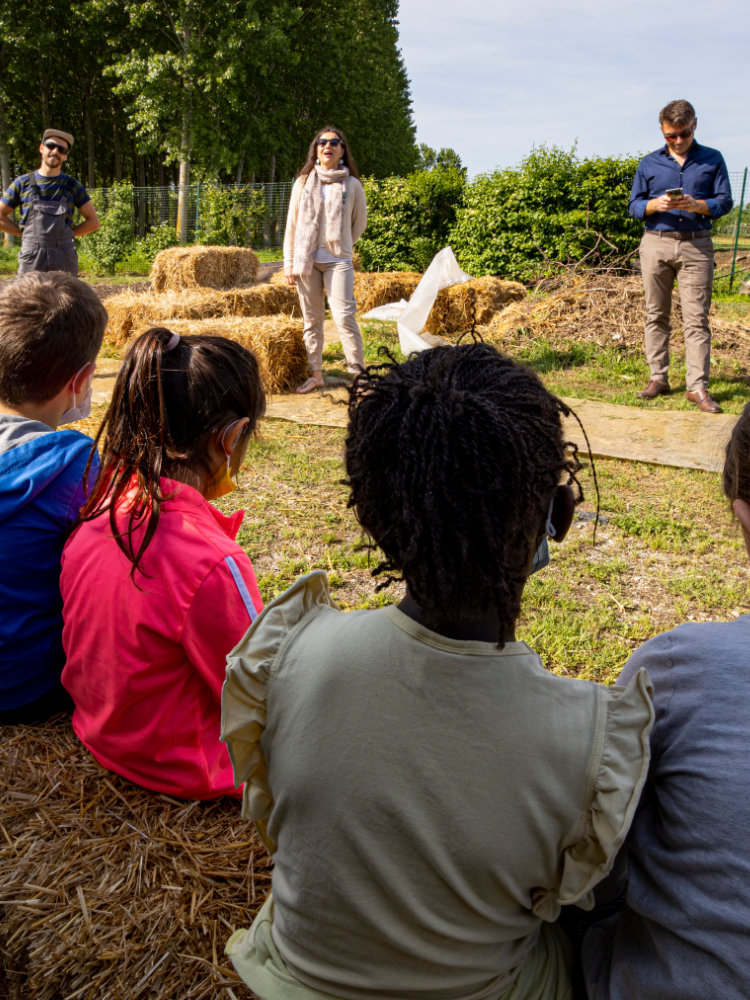
The ecological gardens currently active at the university are the following:
The garden of the University of Gastronomic Sciences located in the Park of the Pollenzo Agency, has an extension of 1500 square meters divided into different areas: A and B) an area for the cultivation of vegetables in the open field; C) a greenhouse, an area for composting, a covered structure for the first processing of vegetables and tool shed D) a mixed orchard; E) an area of aromatic and spontaneous herbs with a shelter for tools.
Zone F) hosts Slow Food’s School Garden project in collaboration with the Municipality of Bra.
The function of this garden is experiential for all the students of the University who collaborate in the project of the Garden, coordinated by the Technical Manager, and of experimental research on agroecological topics (variety comparison, comparison of soil fertility management methods, wild plants, damage and disease control) for degree theses, research projects (provincial, regional, national and international) and research collaborations with private companies.
In particular, the garden is involved in the following research projects:
- PRIME – Innovative Processes and Products of Green Chemistry
- GERMonte – Recovery, characterization and ex-situ conservation of the Germplasm of Piedmontese local cereal species and varieties
The production of the various vegetables is intended for internal consumption: the fresh vegetables are used by the Academic Tables for the daily recipes of the dishes, by the Food Lab and the surpluses are sold fresh internally or transformed by the Orto del Pian Bosco into compotes, purees and jams, according to recipes made by the chefs of the Academic Tables.
Agroecological and organic farming practices are used such as large crop rotations, green manure, use of compost, cover and minimum soil disturbance, with a very low use of external products (eg copper and sulfur) and the main objective is to increase the soil fertility, with particular attention to its vitality also through the use of mycorrhizae, and biodiversity with plants attracting useful insects.
In 2019, a landscape-protective linear hedge was planted along the entire garden fence. A mixed hedge, with shrubs arranged in two rows for 240 new plants. The hedge has multiple purposes but mainly that of windbreak to reduce the risk of chemical contamination from the conventional neighbor and habitat for insects useful in biological control. The hedge has a length of 160 m and plant species adapted to the territory and rustic have been chosen to ensure sufficient variability in the flowering and fruiting periods for wildlife. For the plant, a hole in the soil was made at 20 cm, with stone removal and removal of the turf, a base fertilization with compost or manure and the laying of seedlings in holes. A rigid dripline was installed for irrigation, a canvas mulch at the base of the plants and a fence with stakes and metal support wires to tie the seedlings. The transplant activity is carried out with a workshop attended by 40 students.
A part of the cultivation area is dedicated to the cultivation of flowers to attract pollinators and implement biodiversity. The surface involved 3 flower beds of 20 meters each.
A snail breeding plant in collaboration with the Cherasco Institute of Heliciculture has been partially built.
For the near future there is a project to create a food forest. The project was started only for a first part, with the planting of a pergola of table grape vines of varieties selected for their resistance to diseases.
The surface at our disposal for horticultural species is about 1000 m2 divided into 31 plots in the open field and a greenhouse area.
The crop cycle involves on average 2 crops per plot: one in spring-summer and the other
summer-autumn. Over 40 species are cultivated for 136 varieties of which 30 of local origin.
The House of Biodiversity is hosted within the brick structure, a germplasm bank with 90 local varieties of common wheat species (Triticum aestivum) in collaboration with AIAB, in Piedmont and partly financed by the Piedmont Region with the GerMonte Project.
Every year, they are grown in a demonstration field in parcels, reaped and threshed; they are selected, cleaned, vacuum-packed and stored in the freezer.
Located in the park of the Pollenzo Agency, it is intended for the Kinder Garden and Primary Schools of Pollenzo for carrying out environmental and food education activities, in collaboration with Slow Food and the Municipality of Bra.
Located in the courtyard of the Academic Tables in Pollenzo, it offers a journey of the 5 senses: an environment that is beautiful to look at, perfumed to smell, where you can touch the plants and listen to their rustle and cultivate plants for culinary use also brought and used by different chefs: fruit trees, climbing roses, aromatic plants, edible flowers and vegetables are grown in the raised bed.
Even the garden furnishings were created in co-design with the students to make the moment of the canteen an all-round gastronomic experience.
Contacts

Dott. Morakeng Calvin Makgaila, Technical Director
m.makgaila@unisg.it
Instragram / Facebook