

Lifelong Learning
A Learning Experience Open to Everyone
.
The university's continuing education programs stem from the same interdisciplinary vision that defines the academic experience at Pollenzo, and are designed to serve a diverse range of audiences with diverse needs. Professionals and enthusiasts looking to deepen their relationship with the food system. Companies and organizations seeking tailored programs for their teams. International universities that choose Pollenzo as a study destination for their students.
Every program is designed to offer an authentic experience, rooted in the territory and enriched by access to the university's laboratories, faculty, and international network.
Our Areas of Focus
The continuing education programs address the food system in its full complexity, through a multidisciplinary approach that integrates natural sciences, social sciences, economics, culture, and communication. Each theme is a point of entry into a broader system, in which every dimension of food is connected to the others.
Food carries a communal and historical value that runs through the most diverse traditions, making it a key element of human, social, and cultural biodiversity. Food is culture from every perspective: producing food without cultural awareness and without a passion for the stories it carries is reductive. A contemporary company must consider not only profit and immediate market success, but also cultural sensibilities, traditions, and the contexts in which food is embedded.
This section offers masterclasses and workshops that provide a solid foundation for developing this essential awareness.
Adopting a systems-based approach and a relational, exploratory, and lateral way of thinking can sharpen our ability to see the interconnections among the parts of a whole. The circular economy applied to food emphasizes the regeneration of the natural, cultural, social, and economic capital involved in its overall management.
This section provides theoretical and methodological tools to support the evolution of businesses through the development of innovative projects, positioning them as reference points in the context of ecological transition.
The global impacts of the contemporary food system are at the center of economic, environmental, and political debate. The effects of food on the environment, public health, social equity, and local and international economies require new competencies and tools for effective and sustainable governance.
This section offers programs designed to understand and analyze the rules and regulations governing global food markets.
Food is communication, language, creativity, and emotion. As such, it is shaped by media, interpreted through criticism, enhanced by design, and reimagined by art. In this section, creativity, critical thinking, and food communication become tools for exploring and rethinking food systems and developing original projects.
Food choices are increasingly shaped by cultural, social, demographic, symbolic, and technological factors. In this section, food becomes a lens through which to read society and its transformations, as well as a tool for consciously engaging with processes of consumption, well-being, inclusion, and sustainable development.
The study of food behaviors involves the investigation of many variables that require input from multiple disciplines, including sensory analysis, neuroscience, and psychology.
Understanding the physiological and cognitive factors that influence perception and shape our relationship with food is valuable for companies seeking to scientifically assess the quality of their products, analyze the impact of new product lines on consumers, identify target audiences, communicate more effectively, and design functional retail environments.
Nutrition plays a key role in human and ecological health and well-being.
Understanding its foundational principles, the mind-body connections, and the environmental consequences of our food choices is a strategic asset for forward-thinking companies that want to have a positive impact on two levels: on their internal resources, through corporate welfare initiatives, and on consumers, by offering healthy products and delivering sustainable services.
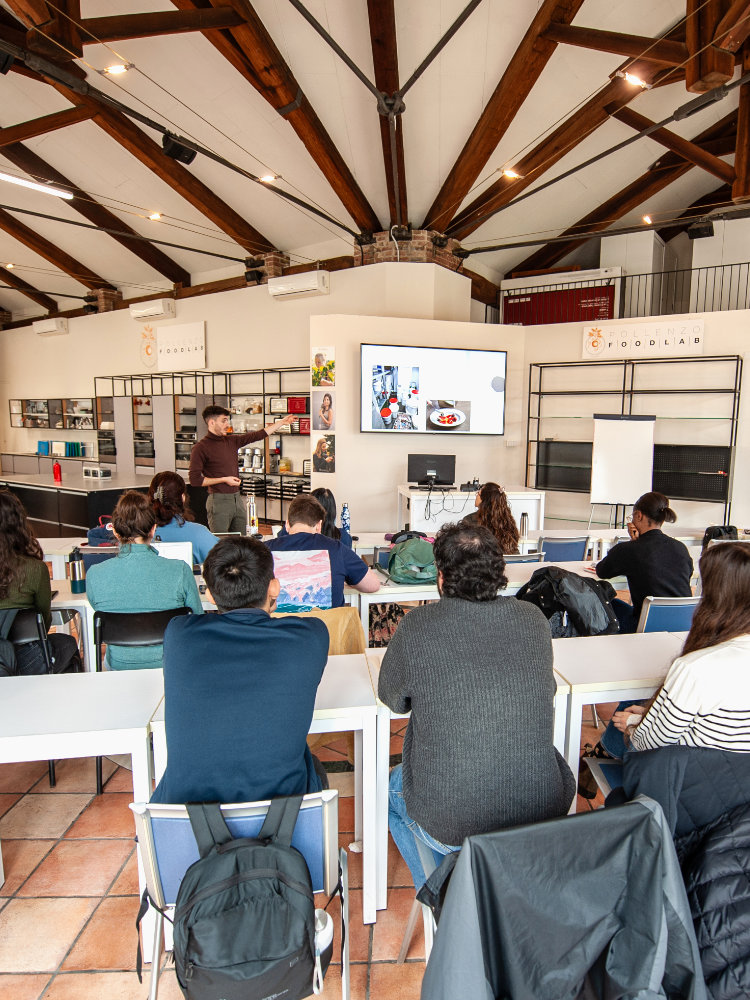
The university offers a hands-on training environment that serves as a meeting point between theory and application. The educational model is grounded in active and experiential learning, with the goal of achieving a full understanding of gastronomic processes.
For companies looking to innovate their products, the program offers not only technical knowledge but also inspiration, ideas, and a space in which to create and experiment with new solutions, guided by a systems-based approach rooted in social and environmental responsibility.

Learning Experiences
Short Courses
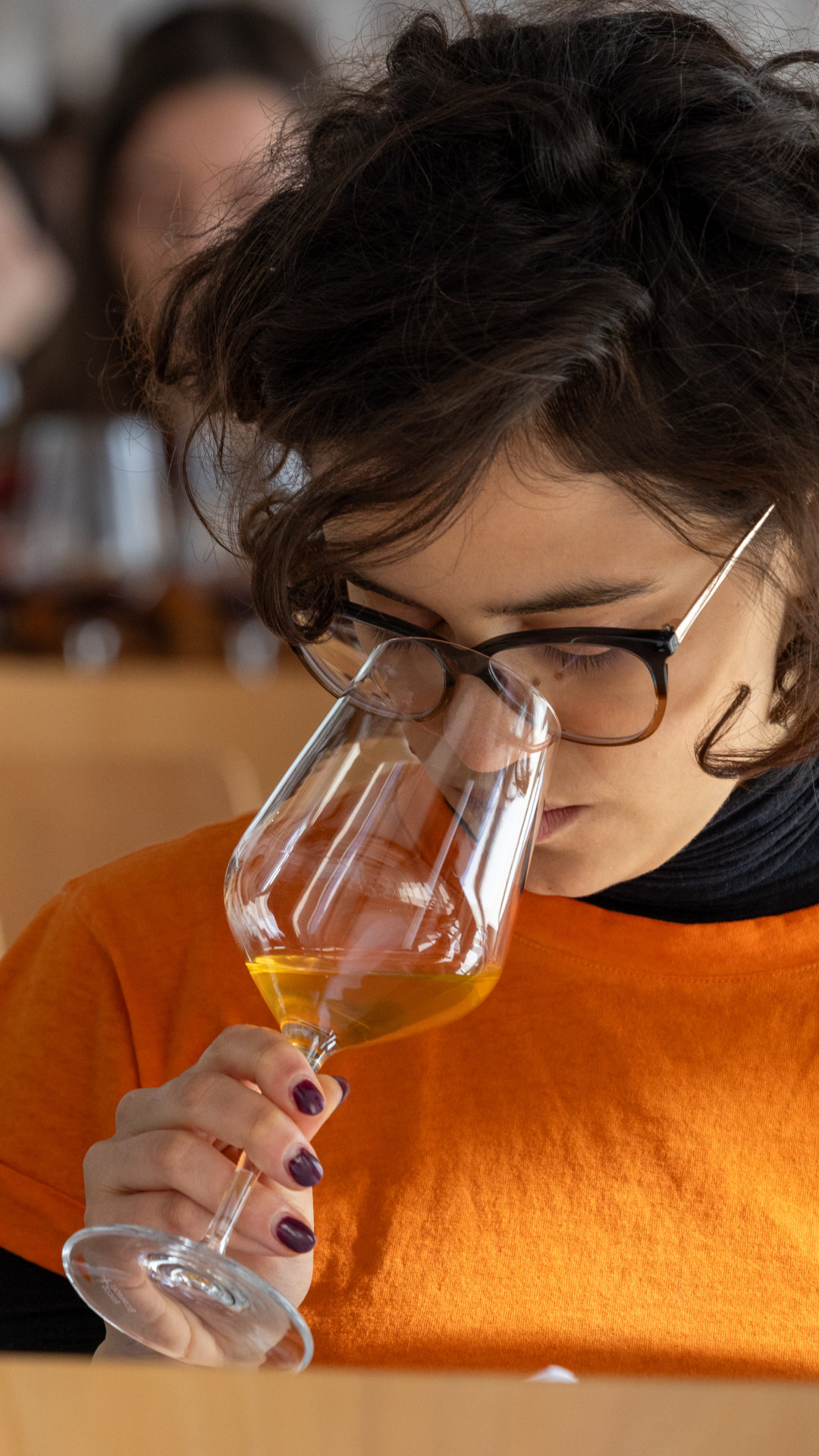
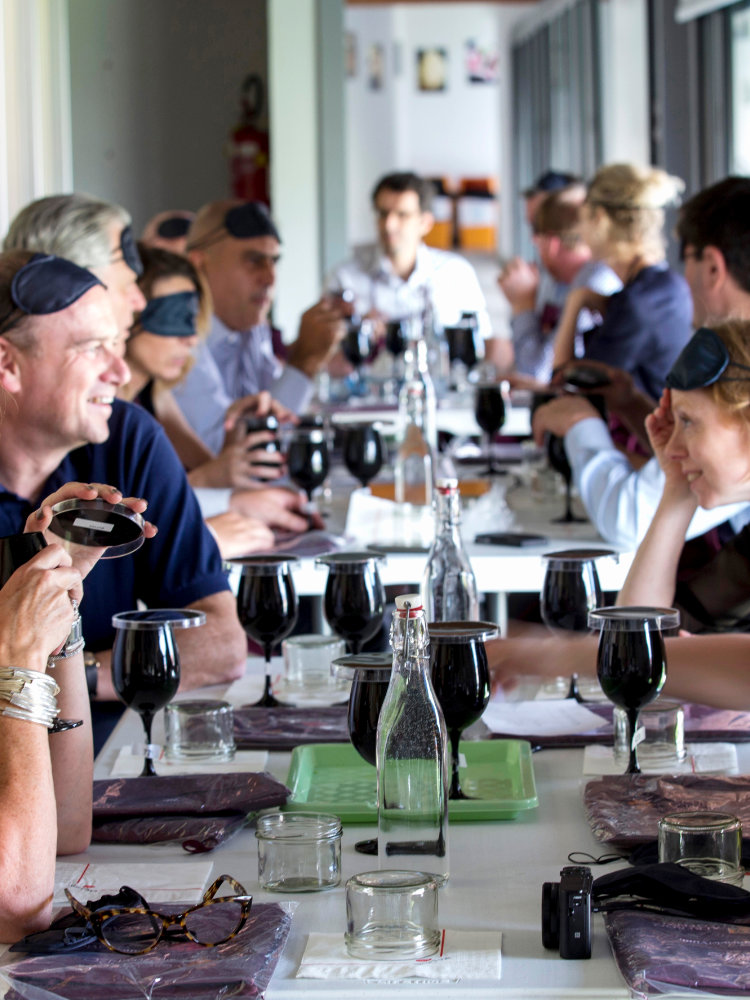
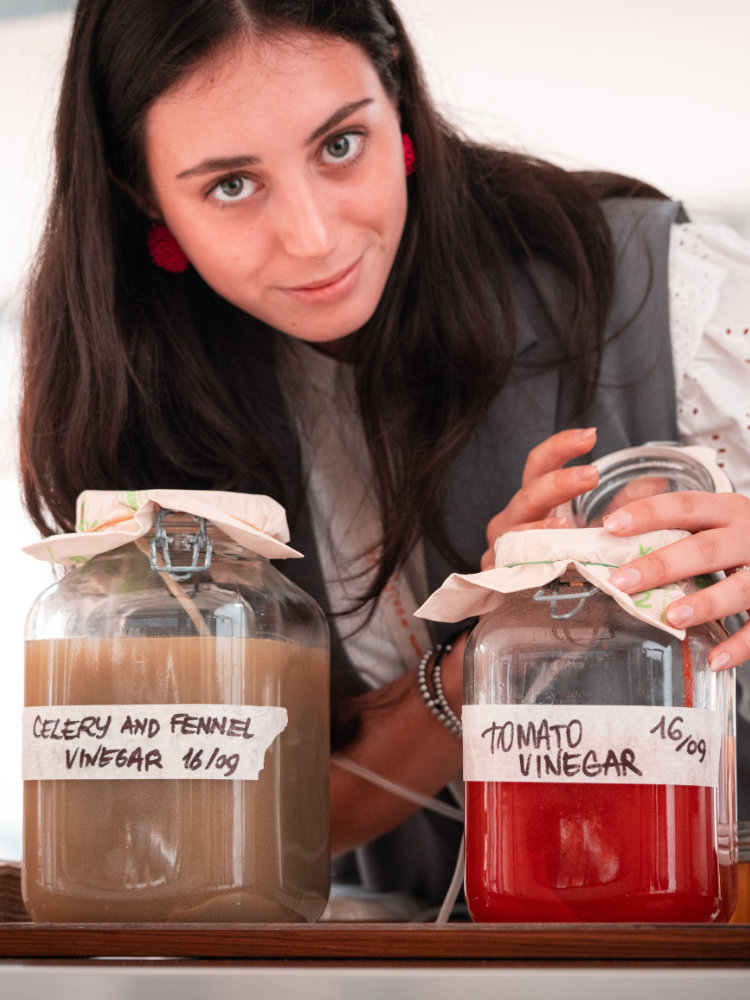
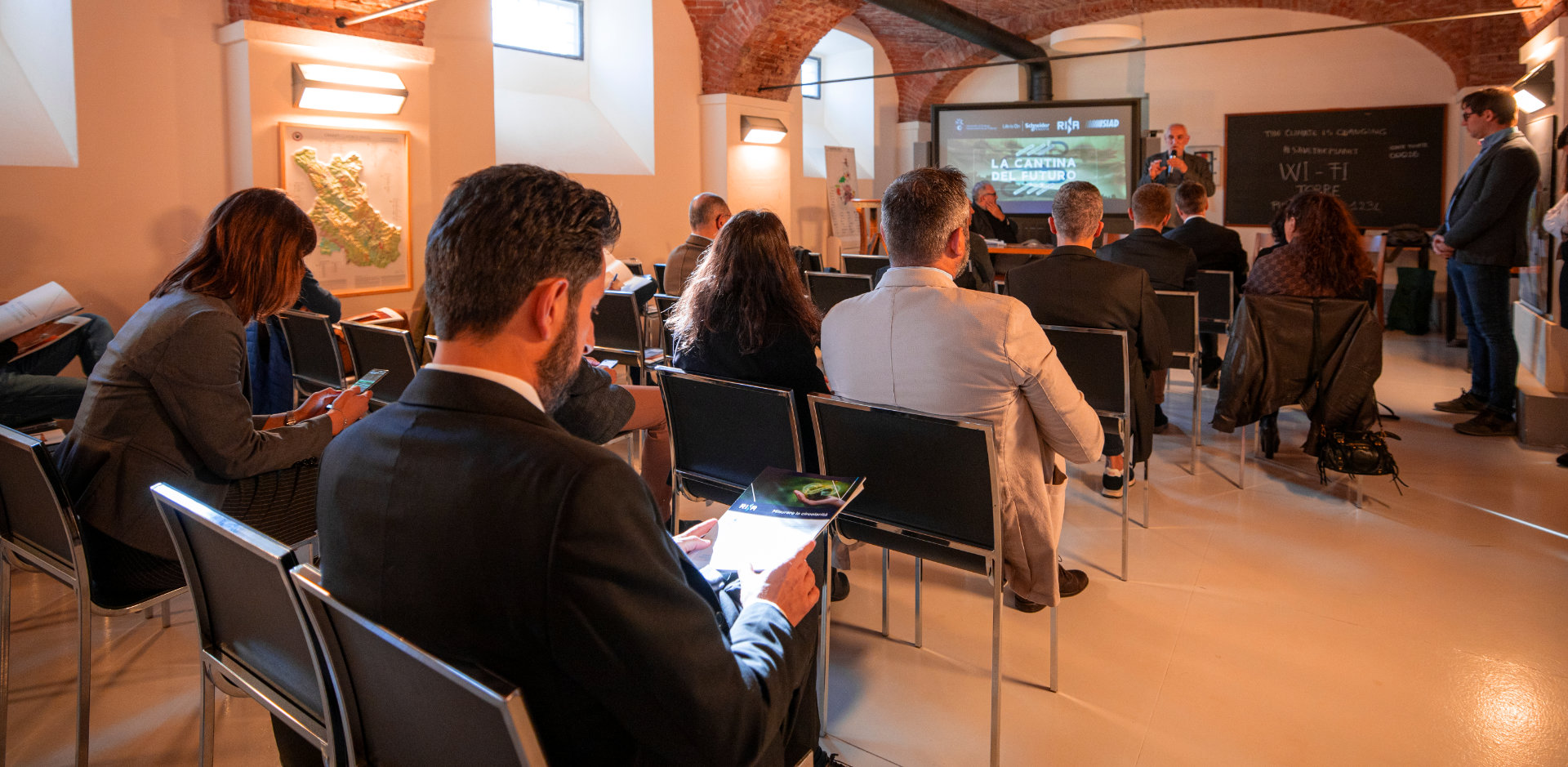
Practical programs on specific food and wine topics. Lectures, workshops, and visits to producers for an authentic experience rooted in the territory. Open to professionals and enthusiasts seeking a hands-on approach, rich in connections between knowledge, flavors, and skills.
Summer School
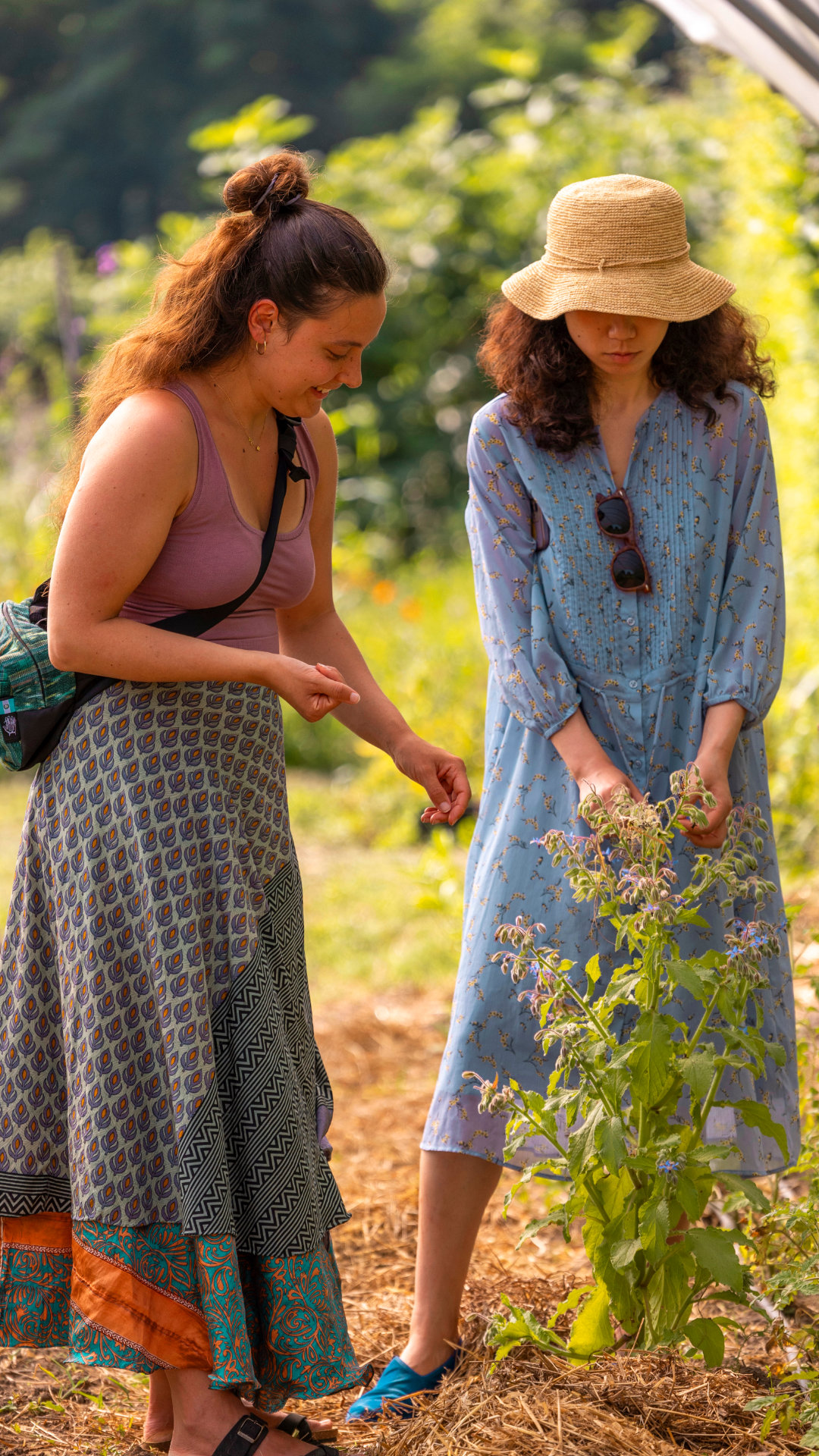
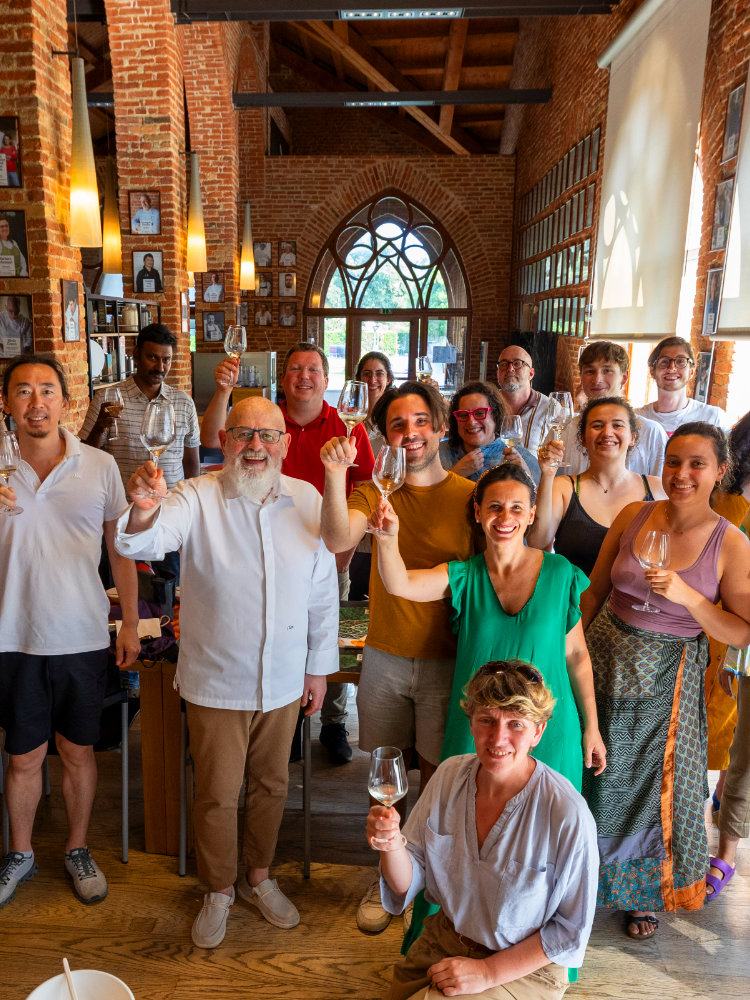
Intensive learning experiences designed for those who want to immerse themselves in the world of food through a practical, multidisciplinary approach. Through lectures, workshops, and visits to local producers, you will discover food cultures, local products, and sustainability. Ideal for enthusiasts, professionals, or future students, each edition offers a unique experience in Pollenzo, in contact with an international community of experts and professors.
Study Abroad
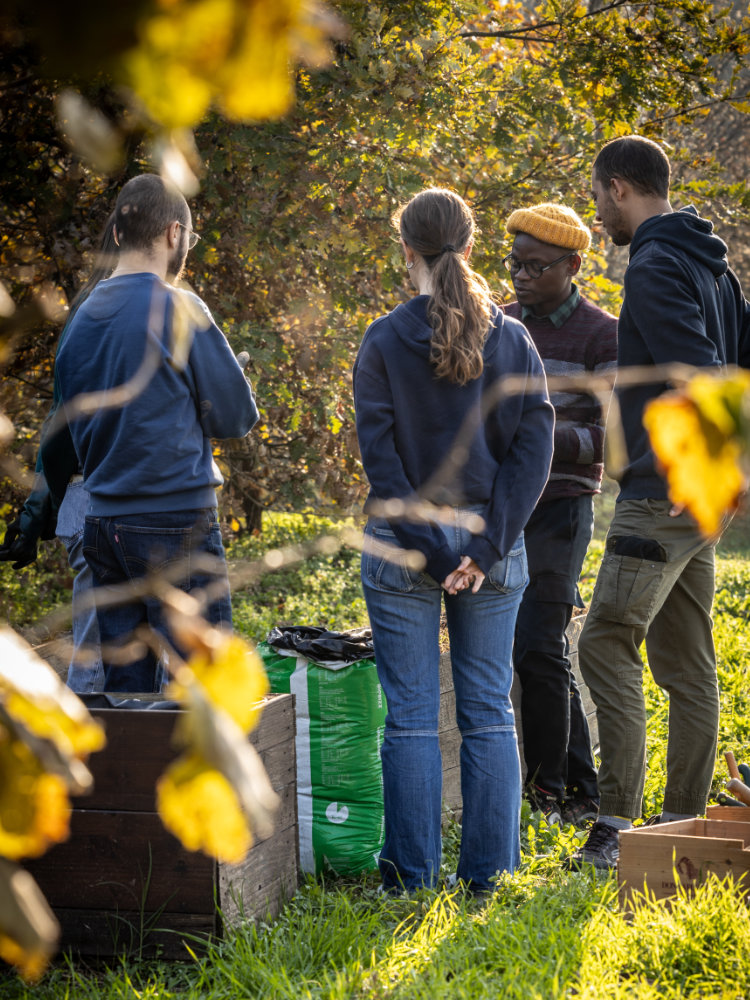
Two tailor-made weeks for students of any discipline. An intensive immersion into the world of food, from a cultural, economic, or environmental perspective. In the prestigious gastronomic region of Pollenzo.




Professional Development
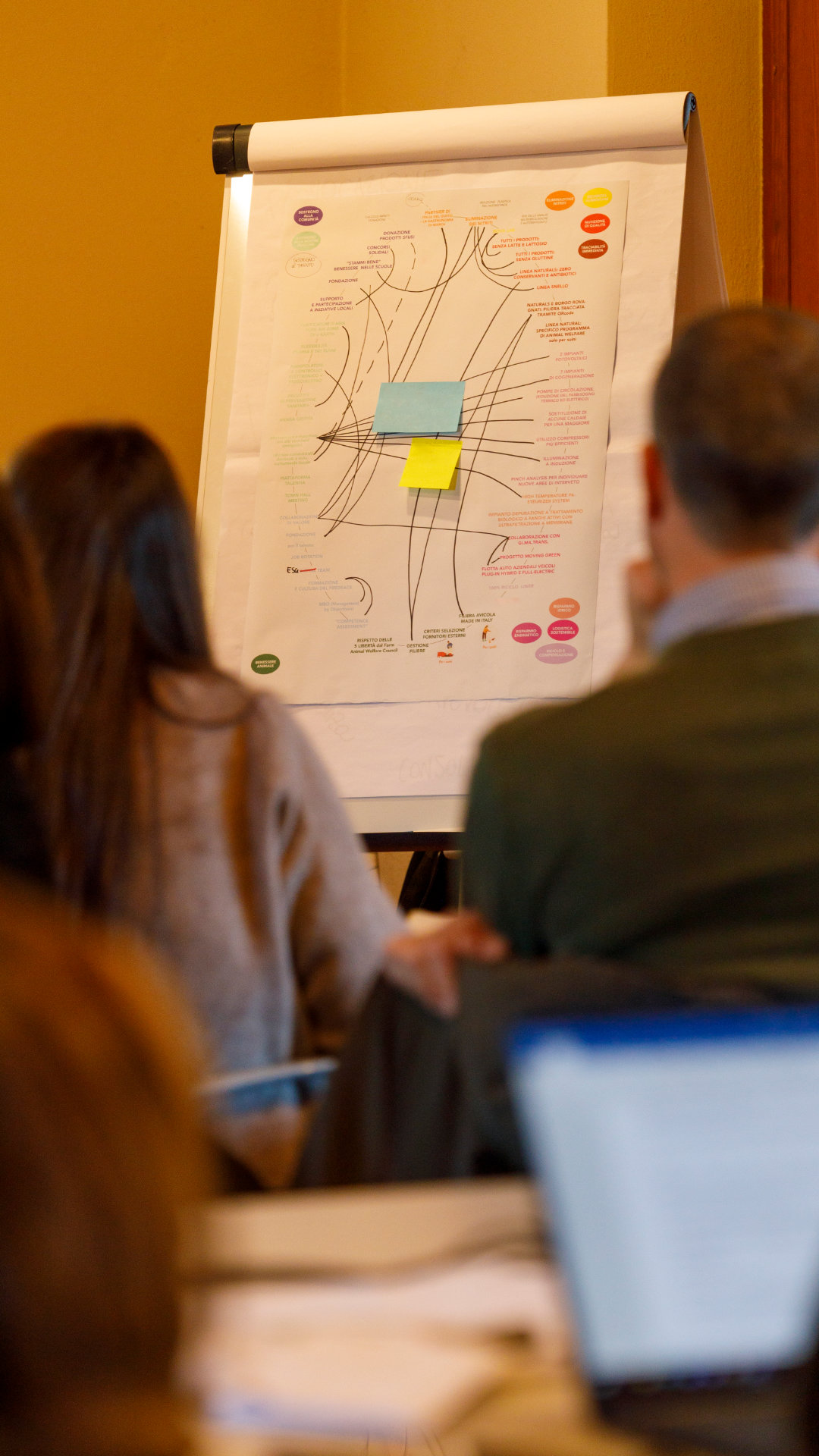
Programs designed for food industry professionals ready to take the next step in their careers. Whether the goal is to deepen technical expertise, develop a broader understanding of the food system, or acquire new tools to navigate the challenges of today's market, each program is built to address real professional growth needs, grounded in the rigorous and interdisciplinary approach that defines the Pollenzo experience.
Corporate Training
The university's Training Lab designs tailored educational programs for Partners, combining technical expertise in gastronomic sciences with soft skills inspired by food culture. All within the unique setting of Pollenzo: a historic village that integrates accommodation facilities, event spaces, a restaurant, and the extraordinary Banca del Vino, custodian of Italy's enological heritage.



UNISG+
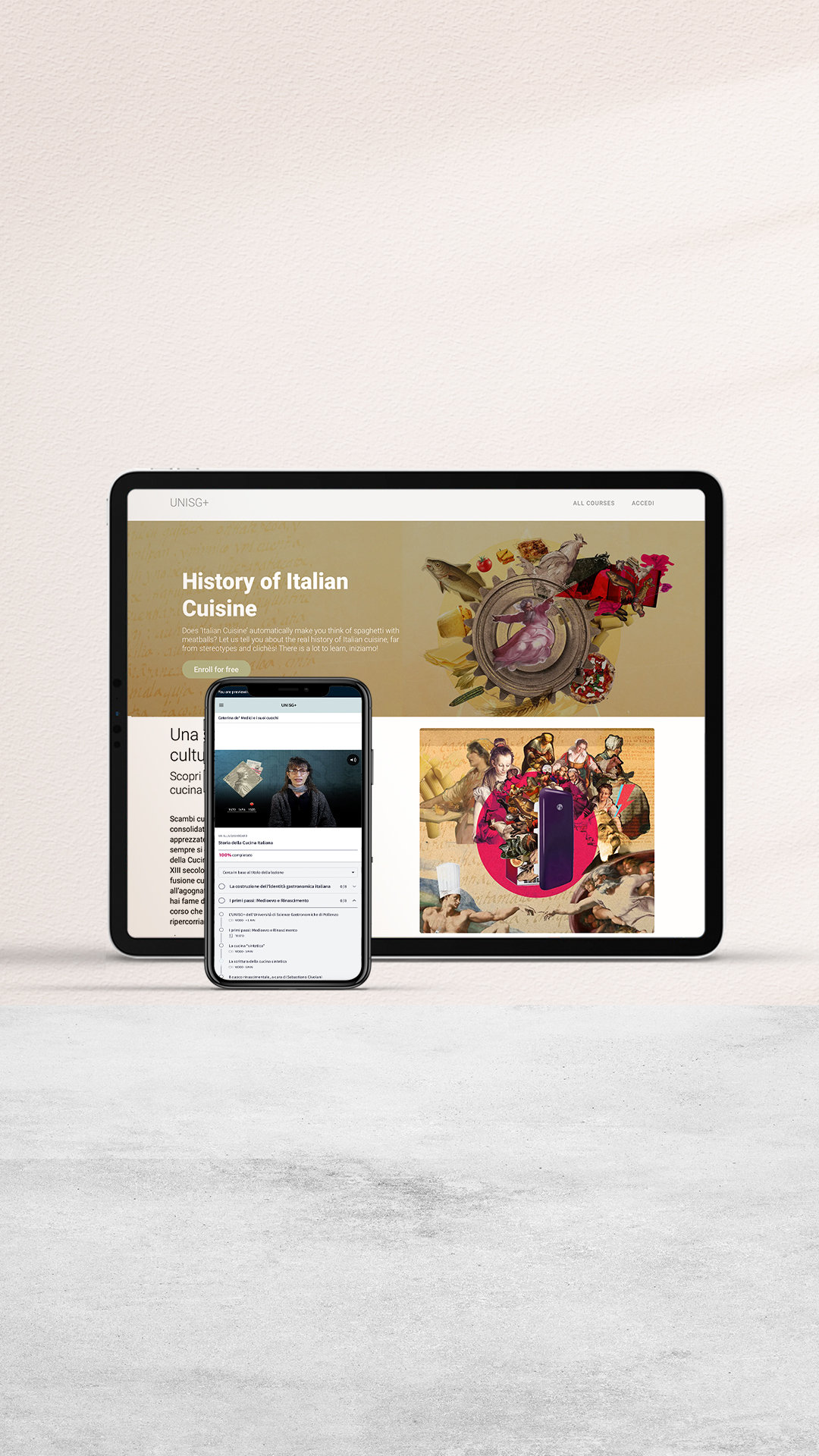
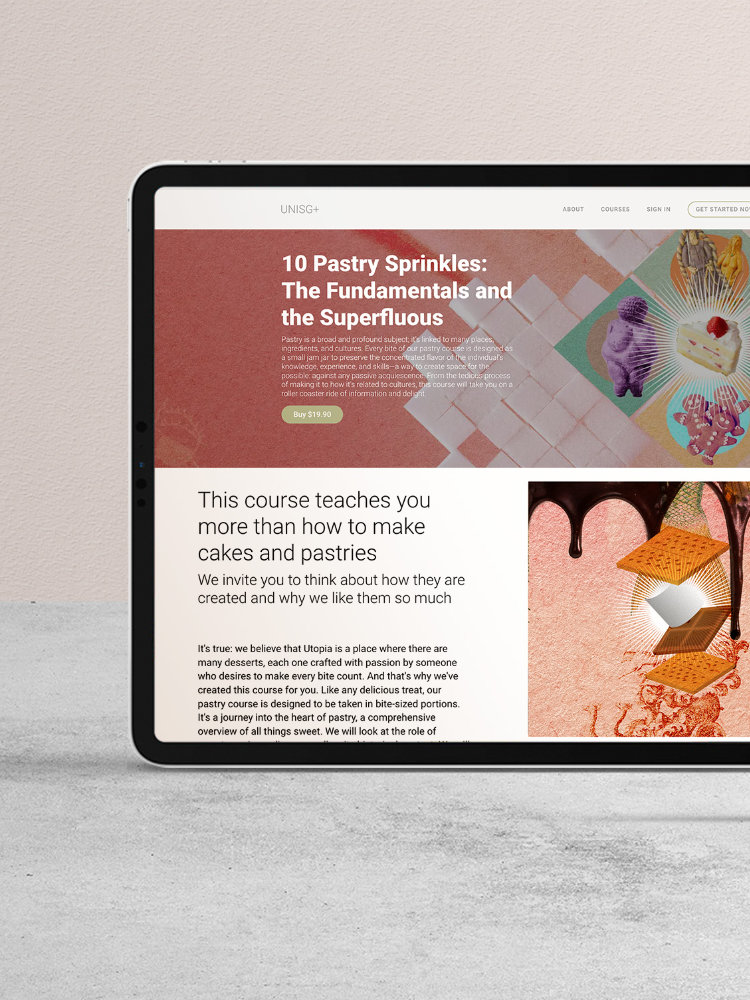
UNISG+ is the university's digital platform, designed for those who want to access the gastronomic culture of Pollenzo from anywhere in the world. Online courses, exclusive content, and flexible learning programs, all inspired by the interdisciplinary approach that defines the university's educational model.
150+ Organizations and Companies
in the agri-food sector
The university is home to an international community of students from 98 countries around the world, and a network of more than 150 organizations and companies operating in the agri-food sector.
The Laboratories
Three specialized spaces shape our services, each with a distinct vocation. Pollenzo Food Lab, SBC Lab, and The New Gastronome are the operational heart: here, multidisciplinary expertise, advanced instrumentation, and strategic vision come together to turn partner needs into concrete, sustainable solutions oriented toward the future of food.
UNISG students are seeds of change in the organizations where they work. Gastronomists are innovative professionals, capable of understanding the complexity of the food world and approaching reality with a holistic and multidisciplinary perspective.
The university's Training Lab designs tailored educational programs for Partners, combining technical expertise in gastronomic sciences with soft skills inspired by food culture. All within the unique setting of Pollenzo: a historic village that integrates accommodation facilities, event spaces, a restaurant, and the extraordinary Banca del Vino, custodian of Italy's enological heritage.
Innovation projects are the way the university collaborates with organizations and businesses to translate the results of academic research, the university's culture, and its educational approach into concrete innovations for its partners.