
History
& Mission
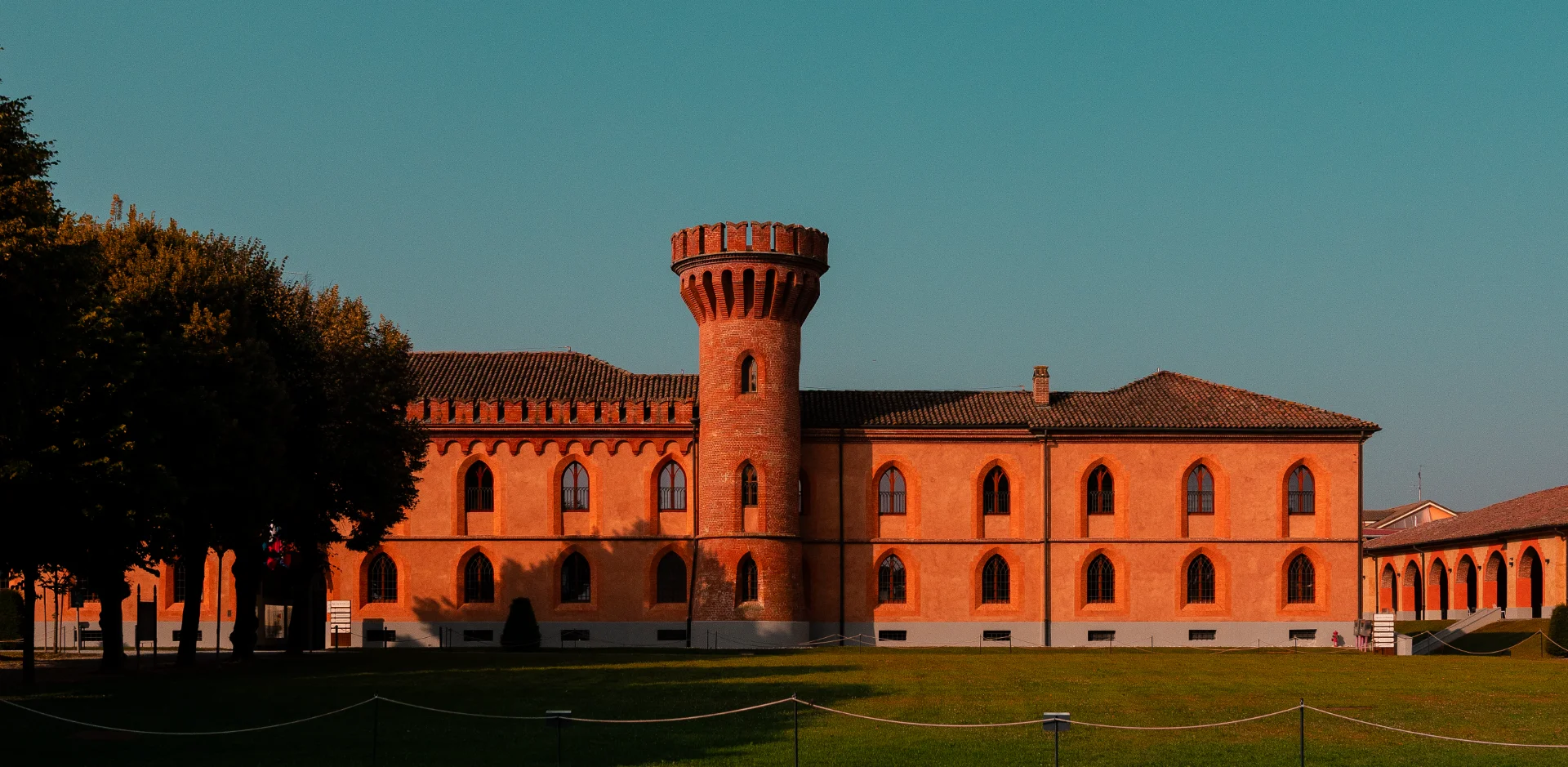
The University of Gastronomic Sciences of Pollenzo, founded and promoted in 2004 by the international association Slow Food in collaboration with the regions of Piedmont and Emilia-Romagna, is a legally recognized non-state university under Italian law.
Over its more than a decade of activity, the university has continuously expanded its study programs, and consequently, the number of students, offering a comprehensive and unique educational experience both in Italy and abroad. It has established itself as a dynamic, flexible institution with a strong international character.
The distinctive nature of its courses attracts students from dozens of different countries, drawn to an original educational project that combines study, practice, and study trips around the world, enabling them to contribute to shaping the future of food.
This methodological and educational approach provides students with a global perspective on past and present food production systems, while also allowing them to appreciate the richness of cultural diversity.
The University trains gastronomes—new kinds of professionals with interdisciplinary knowledge and skills spanning the science, culture, politics, economics, and ecology of food. They are equipped to champion values like sustainability and sovereignty within global food systems, understanding all their complexities and stages, from production to consumption.
At the heart of what defines a gastronome is a deep understanding of food as a form of value—and of its fundamental role in creating and shaping society.
To date, more than 4,000 students have attended or are attending the University of Gastronomic Sciences of Pollenzo.
Twenty Years of Evolution
The milestones of UNISG’s journey, from its founding to today, map out a clear path toward sustainable excellence.
Our goal is to bring to Pollenzo the brightest minds from the world of research, institutions, agriculture, and leading companies to come together, discuss, and rethink biodiversity in all its many facets.
2025
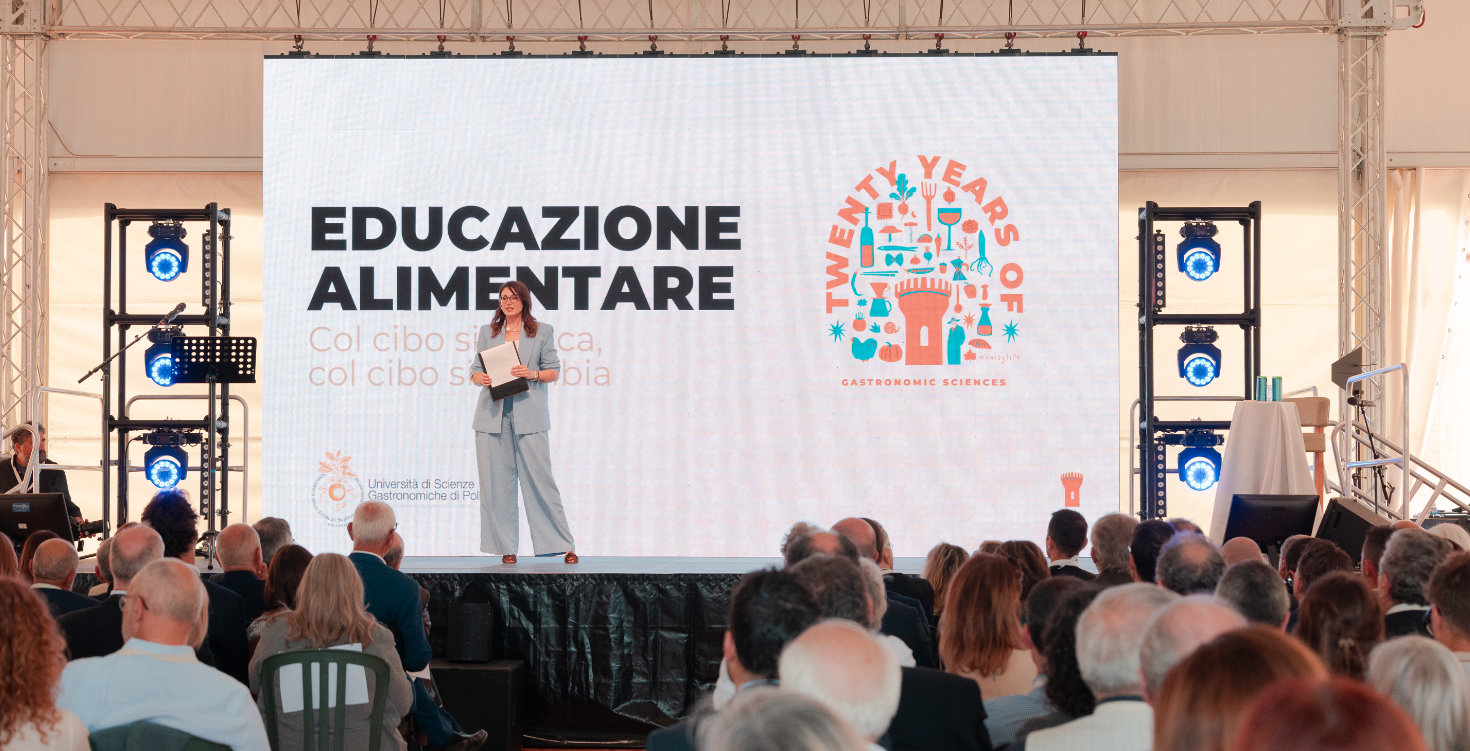
UNISG celebrates more than twenty years of activity with a community of over 4,000 students and alumni. The University consolidates its position as an international hub for research and education on sustainability and gastronomic sciences.
2020
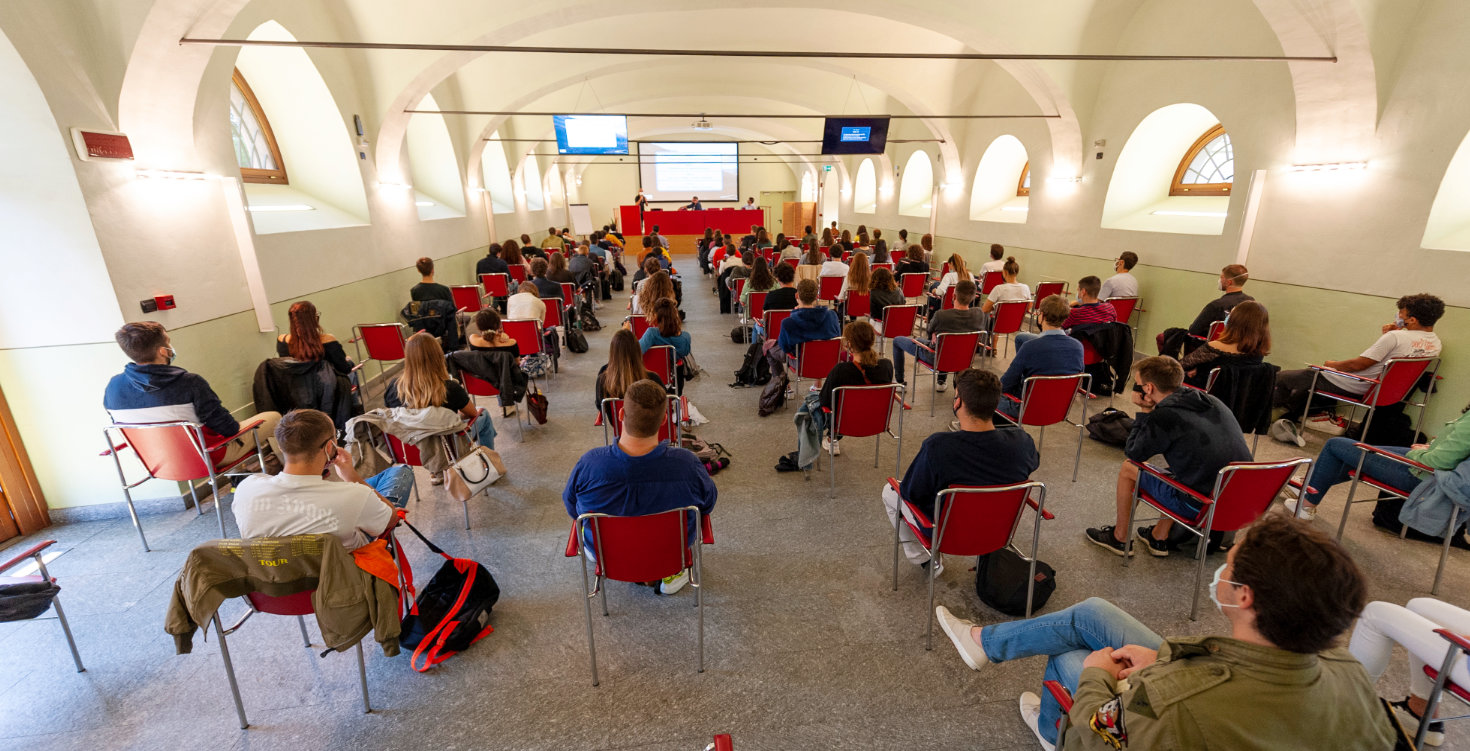
Despite the pandemic, the University launches its first online graduation session with 32 students from around the world. In September, in-person teaching resumes with new logistical solutions.
2015
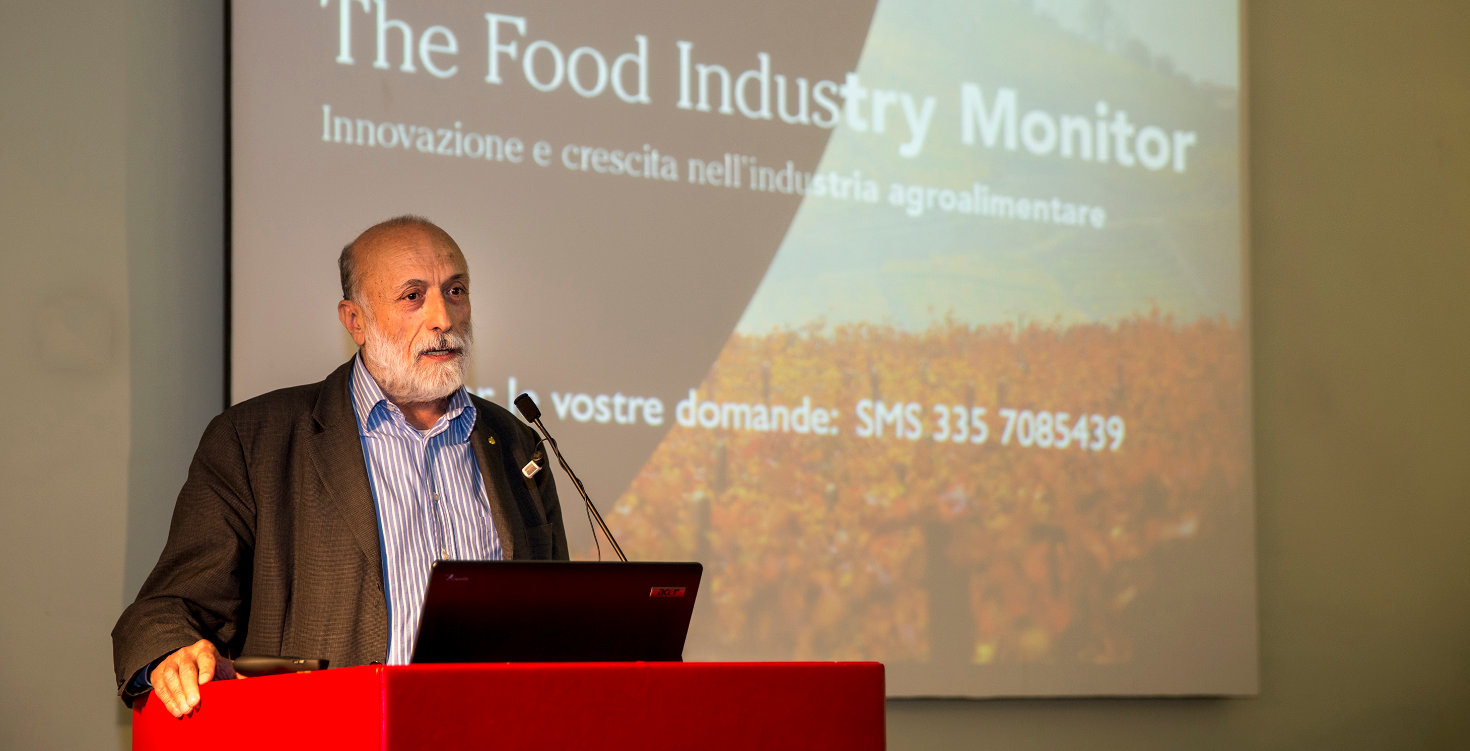
The Food Industry Monitor is established, an observatory on the performance of Food and Beverage companies. In Milan, Terra Madre Giovani – We Feed the Planet takes place, organized by UNISG and Slow Food.

2010
The UNISG Strategic Partners Club is established and the first “Advanced School in Sustainability and Food Policies” is held, featuring internationally renowned experts such as Vandana Shiva, Jeremy Rifkin, and Fritjof Capra.
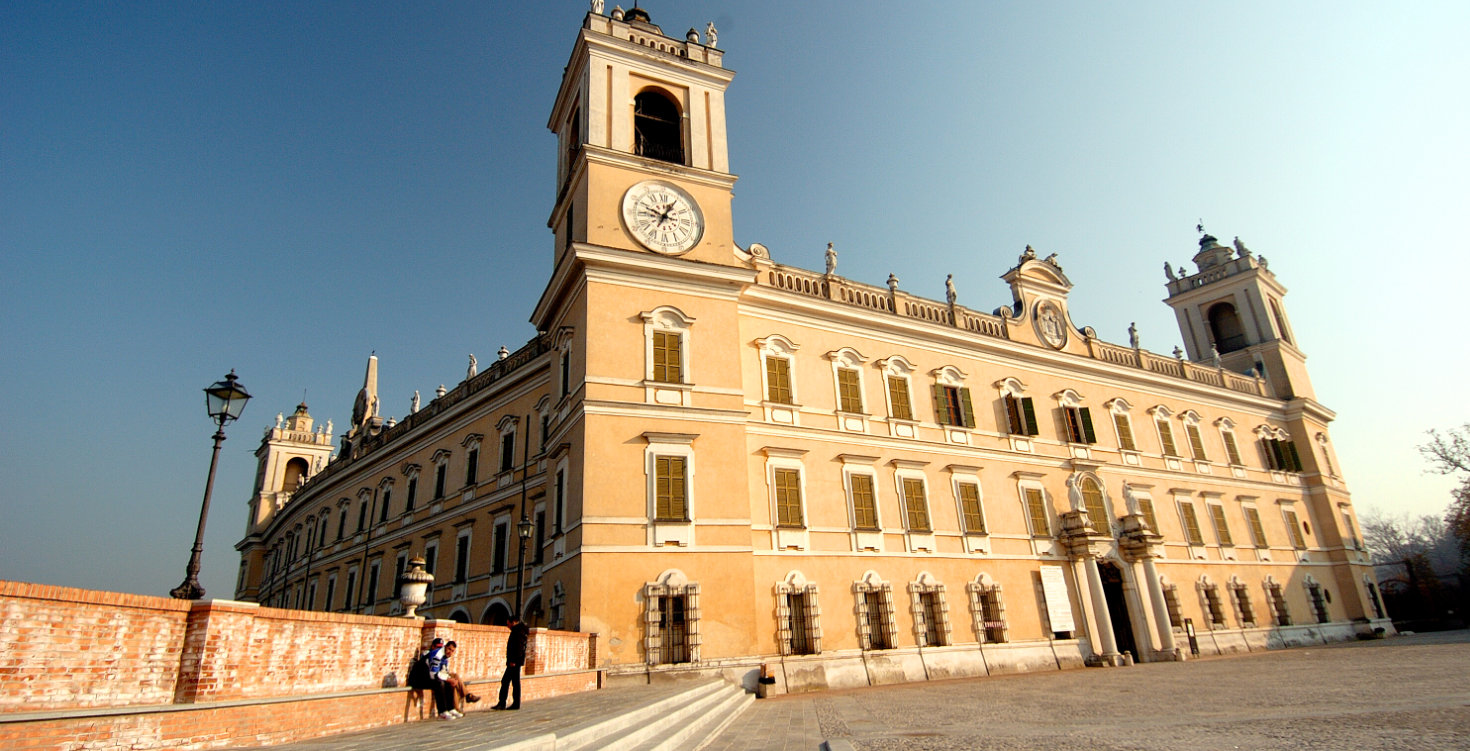
2005
The campus at the Royal Palace of Colorno is introduced, and the first post-graduate Master’s programs are launched.
Meanwhile, in Pollenzo, one of Italy’s largest Sensory Analysis Labs opens its doors.
More Information
UNISG Strategic Plan
The "Strategic Plan" is the main document outlining a university’s development over a three-year period.
It expresses the institution’s core mission and the distinctive qualities that set its commitment apart, both within the Italian academic landscape and on the international stage.
The University’s Quality Policies describe our goals and define the tools we use to pursue continuous quality improvement.
Specifically, they outline the strategies the University puts in place to bring the ambitions of the Strategic Plan to life—across teaching, research, and our Third Mission (engagement with society).
“From here onwards I shall begin to outline an extremely important role of Nature and will explain to man his proper foods, compelling him to admit that he does not realize how his life is sustained.” (Pliny the Elder, The Natural History, Book XX, Chapter 1)
“Cominceremo ora a trattare l’opera più grandiosa della natura: esporremo all’uomo i suoi cibi e lo costringeremo ad ammettere che gli è sconosciuto ciò che lo fa vivere” (Plinio, III, 1).
Eating is one of the first sparks of life and essential to its continuance. But evidence of the importance of food has nonetheless remained almost always indecipherable, cast into shadow by most of official culture and science. Just like food, the word “gastronomy” is fascinating, but also ambiguous and elusive. With a long but often hidden history behind it, gastronomy has emerged only in recent decades as a foundational subject for culture and society.
The University of Gastronomic Sciences of Pollenzo is the first university in the world to accept Pliny’s ancient challenge, positioning it within the contemporary context of research, science and culture on a global scale and guided by a systemic vision, because gastronomy is everywhere. It does not concern only certain foods, certain ways of cooking and consuming them, certain traditions or certain places in the world. Every product of the land, the seas and the forests can be gastronomy. Every cuisine, from the simplest and most domestic to the most refined, can be gastronomy. Every mode of consumption can be gastronomy. Gastronomy is the study of everything related to food, understood as a cultural and scientific value. Gastronomy has to do with all living things, whether plant, animal or human. It is passion and love for life, wherever it is realized in relation to the primary and eternal need to eat.
Gastronomic sciences participate in and promote a complex, systemic and inclusive model of knowledge. This is not structured according to the dualistic paradigm of rigid opposing categories—like body/soul, perceptible/intelligible, praxis/theory—but according to the model of relationships and coevolution, of involvement and parity of value. Gastronomy is not just a nutritional necessity but also desire and pleasure; it simultaneously studies and comprises technical abilities, know-how, invention and the creative imagination. In gastronomic sciences, knowledge is both science and culture at the same time.
In the Pollenzo university’s vision, gastronomic sciences place theory and praxis, contemplation and observation, books and hands, mind and body, writing and orality, gesture and word on the same level, both by right and in practice. The interaction takes place as much on the plane of the natural sciences as the humanities, following a holistic and critical model in which the whole set of relationships inherent in the study of food define a domain that is greater than the sum of the individual disciplines, with the aim of producing new interdisciplinary and cross-cutting languages, rigorous but flexible, suited to meeting the epistemological, ethical, social and political challenges of our time. We must provide adequate responses to the emergencies that characterize our present in order to construct a better future for all the planet’s inhabitants.
Social and economic injustices, the ecological crisis and the scarcity of available natural resources have for some time been the cornerstones of our present emergencies, and they also call the issue of food profoundly into question. Many authoritative voices, from many sides, are increasingly suggesting the need for an “integral ecology,” which puts happiness and equality among peoples back at the heart of life on Earth. Gastronomic sciences contribute to providing responses and solutions for the establishment of a global ecological model based on favouring differences and biodiversity.
Gastronomic sciences propose an epistemic, ethical, economic and political vision in which food is not seen as a pure object of domination by humans. They strive towards the preservation of cultural heritage, connected more generally to the safeguarding of the planet, the freedom of access to food and the knowledge connected to it. In this context, individual liberty and responsibility for the life of other living beings are necessarily interwoven, because without the latter, the former is also threatened.
Studying gastronomic sciences means conceiving and practicing a new form of life, which combines diversities and cultural specificities with the universal need and desire for good, healthy and fair food for all. Because food concerns all of us, and belongs to all of us.
The gastronomist studies in order to understand the processes of food, from production to consumption, from techniques and technologies to symbols and narratives, and is equally interested in what feeds the body and what feeds the soul.
The gastronomist tastes, experimenting and exploring, navigating the open seas of experience and history, using food as a vector of civic awareness and ethical responsibility. Along with theoretical study, participatory observation and first-hand experiences are at the center of their education. Through direct experience, the gastronomist learns the respect, care and humility that are indispensable to fully understanding the importance of the value of food as one of the original community-forming links between all living beings.
The “Pollenzo System” brings together a web of relationships among those who learn, those who pass on knowledge, and all who share and put into practice the University’s Vision.
The Gender Equality Plan is the document that outlines the lines of intervention and actions that a University intends to put into practice to reduce gender imbalances over the next three years. The GEP is the result of the work of a commission made up of representatives of the governance bodies, the teaching staff, the technical-administrative staff, the research fellows and the students.