18 Aprile 2013
As a very recent graduate of the UNISG masters program, I am, like the rest of my class, attempting to establish my place as a gastronome in the world beyond the University. It certainly isn’t an easy transition. Out there in the real world, people don’t discuss food every minute of the day, or eagerly debate the ramifications of CAP reform. And the constant misinterpretations of ‘gastronomist’ are somewhat wearing. (‘You’re an astronomist? Wow.’ or, ‘Like, gastrointestinal stuff? Eeew.’)
Yes, living beyond Bra is sometimes uncomfortable. But it’s essential to move on and apply what we’ve learned. In general, we resist the urge to return, unless the chance to participate in something unique, innovative and irresistible lures us back – such as, Food, Philosophy and Art: Convergence.
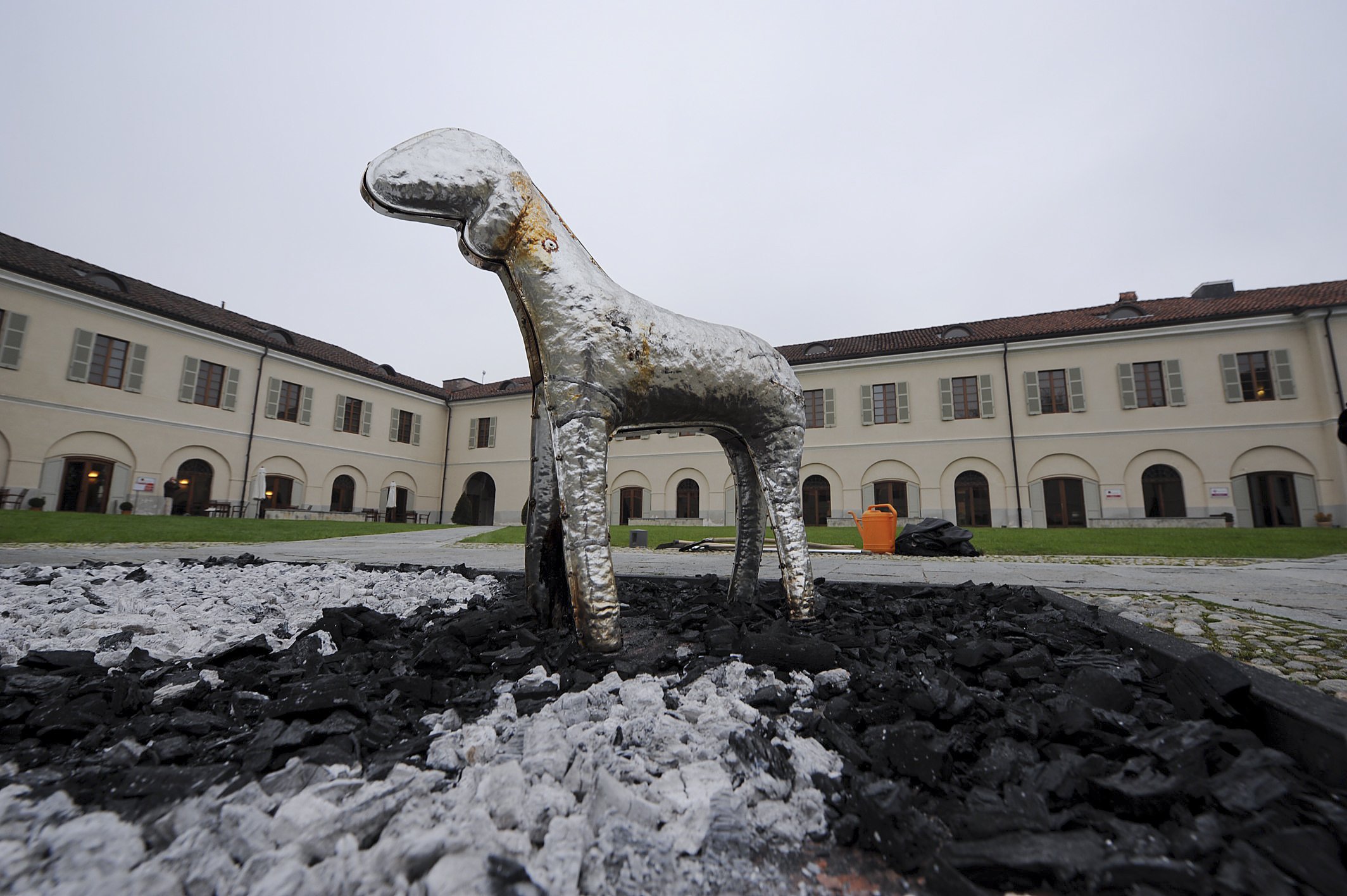
The Convergence was a two day conference instigated by Professor Perullo, organized and orchestrated by a group of students (myself included), and inspired by the question “Can food be art?” Providing the chance for a fresh dialogue on this long debated topic attracted acclaimed chefs, philosophers and academics from around the world.
But in a time when we are facing so many problems with our food system – mass starvation and obesity as outcomes of the same issue, where atrocities such as GM crops and producer exploitation are occurring in the name of progress, is this question even relevant?
I suppose I implicitly feel food can be as beautiful and inspiring as art, but my notions of both art and food have periodically been challenged by fads such as molecular gastronomy. As a graduate of a program focusing on sustainable food, I find a more significant question to be; “Should food be art?”
Some of the chefs who attended the Convergence are famous and controversial creators of highly conceptual foods such as the ‘cyber egg’: caviar, egg yolks, vodka and shallot apparently suspended within a clear bubble of cling-film, burst with a scalpel and consumed in one gulp. What value could such a thing have, in a world were so many people don’t have access to adequate sustenance? Isn’t an exploration of the relationships between food, philosophy and art thus somewhat indulgent? Were these personalities drawn simply by abstract academic interest, or is there a wider significance to this line of investigation?
Across multiple lectures and an edible installation, every contributor at Convergence drew our attention to one valuable thing – the thought of food; an essential consideration if you agree, as I do, that food must be good to think as well as good to eat. In addition to pleasing our palate and sating our hunger, the history and voyage our food makes to get to us, should not be repulsive to us. If we knew the source and story of much industrial food, we would most certainly be put off eating it, no matter how tasty it might seem on the plate.
As we become increasingly detached from the production of our food we have perhaps become complacent about it, rarely giving its provenance and meaning a second thought before putting it into our mouths. The ritual of saying grace or consciously appreciating what’s on the table at the beginning of a meal, is now obsolete and unknown to many (according to recent studies, people in the UK are more likely to snack continuously than to sit down to a meal). Food once significant as a ritual of season, tradition or cultural significance, is now largely denuded of symbolism and eaten year round.
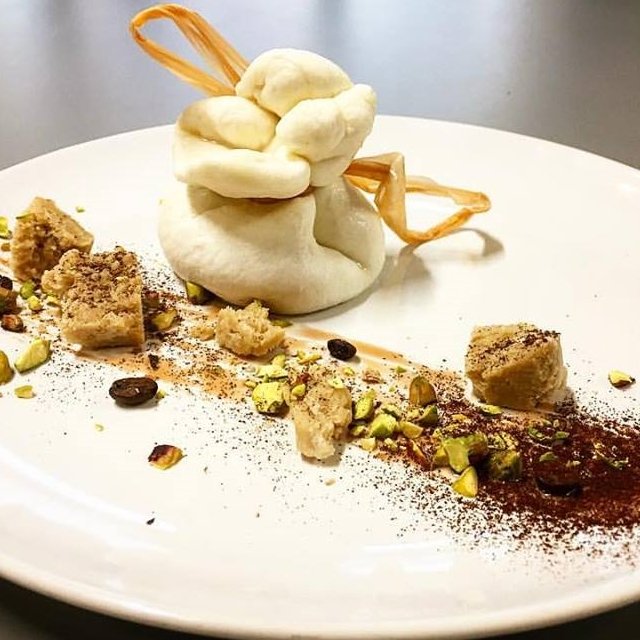
Chefs such as Davide Scabin and Daniel Patterson ask us to re-conceptualize the substance we call food. By creating extraordinary combinations of taste, unexpected constructions of texture and form, demanding we experience food through other senses before we even contemplate encountering the taste, they encourage us to look closely at an item that has perhaps become invisible.
Just as art might challenge our conceptions of life, love and the rest, these ventures into cuisine and philosophical thought blur the boundaries of art and food, upsetting our notions of the meaning and function of what we eat. This is perhaps something that is sorely needed in a world where food – the living product of human labor, embodiment of earth and the elements, refection of culture and environment, nourishment – has become a globally traded, maximally packaged and processed commodity. In this sense, a philosophical and artistic dialogue on food is more relevant than ever.
In his morning presentation, Chef Massimo Bottura addressed the issue of responsibility in cuisine. Just as we should be responsible for ensuring our food comes to us via clean and sound methods, it is also our responsibility to give due respect to this precious resource – selecting, preparing and eating it in a manner perhaps worthy of being called Art. The aesthetic or art of eating was addressed by the first speaker, Professor Richard Shusterman who related his extensive experiences at a zen school in Japan. He was heavily reprimanded for eating in an ‘ugly’ manner and thereafter perceived the importance of eating more ‘consciously’.
I feel the Convergence began a vital and contemporary conversation which is relevant to everyone who cares about cultivating a better food system; how the role of philosophy and art - in all its forms, can bring us to have a richer, more meaningful and above all, thoughtful relationship with our food.
Charlotte Maberly