16 Settembre 2024
On Tuesday, September 17, chef Kunio Tukuoka from the prestigious Kyoto Kitcho restaurant will be a guest at the Academic Tables of the University of Gastronomic Sciences.
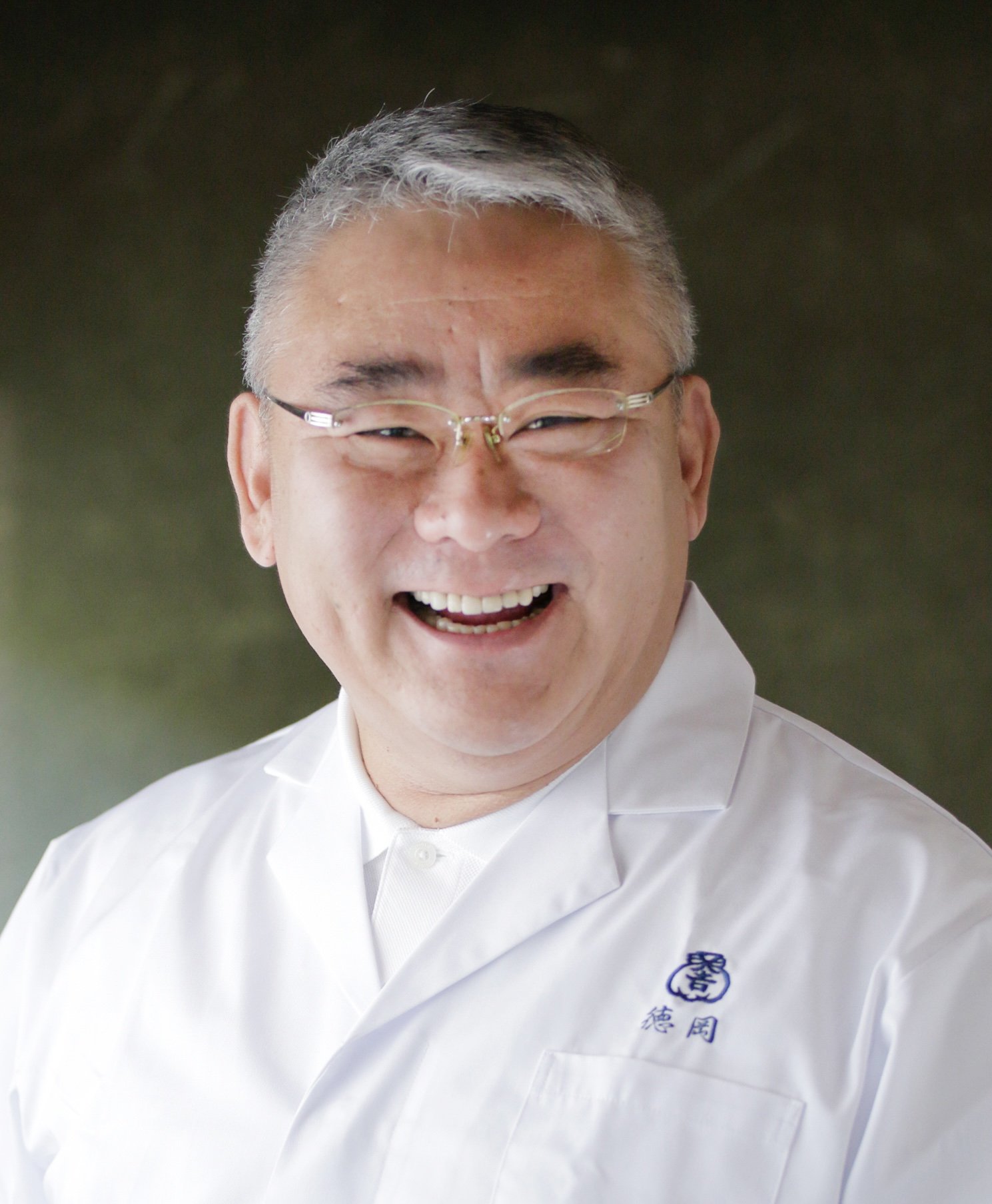
A piece of Japanese haute cuisine history lands at the University of Pollenzo. Indeed, on Tuesday, September 17, the Academic Tables, the special university dining hall in Pollenzo, will host chef Kunio Tukuoka from Kyoto Kitcho.
The name Kitcho was inspired by bamboo branches sold at the Imamiya Ebisu Shrine in Naniwa-ku, Osaka, a symbol of good luck and prosperity.
The restaurant was founded in 1930 by Yuki Teiichi, the grandfather of the current chef and owner, with a clear mission: to enhance Japan’s gastronomic tradition, particularly kaiseki cuisine, which is tied to the tea ceremony. The founder's goal was to elevate tea Kaiseki cuisine to the level of Japanese haute cuisine. His invaluable contribution to his country's culture was recognized in 1981 when he was awarded the Medal of Honor with Purple Ribbon by the Japanese government. In 1988, he received the Prize for a Person of Cultural Merit, another first for a Japanese chef.
Kunio, the grandson, represents the third generation of Kyoto Kitcho and has continued his grandfather’s work, staying true to the restaurant’s storied history while embracing new challenges and innovations, modernizing and expanding its reach.
Born in 1960, Kunio Tukuoka studied culinary arts to master the fundamentals of Kitcho tradition, becoming the executive chef in 1995 and CEO of KYOTO KITCHO Co., Ltd. in 2009. Starting in 2004, he began participating in culinary events abroad and also took part in Terra Madre in Turin. In 2008, he catered the official dinner for the G8 summit in Toyako, Hokkaido. Nationally, he is involved in research to promote the agriculture, forestry, and fishing sectors. He is a guest professor at Tokyo University of Agriculture and honorary director of the Society of Industry, Culture, and Science. While honoring tradition, Tukuoka Kunio constantly develops new approaches to gastronomic culture and is committed to spreading his knowledge and love of Japanese cuisine through innovative methods and suggestions.
In Pollenzo, he will offer three iconic dishes from his classic menu, naturally adapted to the availability of products and ingredients sourced from the Italian market:
- Zukedon: a bowl of rice with Fassona beef from Piedmont marinated in mirin*, seasonal mixed mushrooms, grilled vegetables, and extra virgin olive oil
- Chicken broth soup with mirin, soy sauce, seasonal vegetables, and black pepper
- Homemade mirin ice cream
In the afternoon, at 5 p.m., Tukuoka will meet with students for a talk in which he will discuss his cuisine and the tradition of sake and mirin, in collaboration with Ritsumeikan University and the artisanal producer Hakusen Shuzou from Gifu Prefecture.
Glossary
Kaiseki: Kaiseki cuisine originated in Japanese Zen Buddhism. Initially conceived as a strict diet for Zen monks, which would later inspire vegan cuisine, it was merged with the tea ceremony by the great master Sen no Rikyu (1522-1591), who introduced kaiseki cuisine as a meal to appreciate the tea ceremony. The foundation of kaiseki cuisine is a soup and three vegetable dishes, but today it often refers to a meal with a large number of seasonal dishes and ingredients enjoyed in ryotei (high-end Japanese-style restaurants). Kaiseki cuisine is characterized by refined elegance in plate presentation, the use of fresh, seasonal ingredients, and simple seasonings to bring out the full flavor of the main ingredients.
Sake: Traditional alcoholic beverage obtained through the fermentation of rice. It represents the culture, history, and spirit of Japanese tradition.
Mirin: A type of sweet wine traditionally derived from the double fermentation of rice, used in many dishes and considered one of the fundamental flavors of traditional Japanese cuisine.
Hakusen Shuzou: An ancient artisanal sake company in Gifu Prefecture that has existed since the Edo period. Fukuraijun Honmirin, a three-year-aged seasoning made with traditional methods, is used and loved by many Japanese chefs. Sake is produced with the fresh water from the Hida River and is highly appreciated for its delicate taste and compatibility with all types of food. The company uses various types of yeast and hand-made koji to produce sake, adhering to traditional methods.