13 Giugno 2017
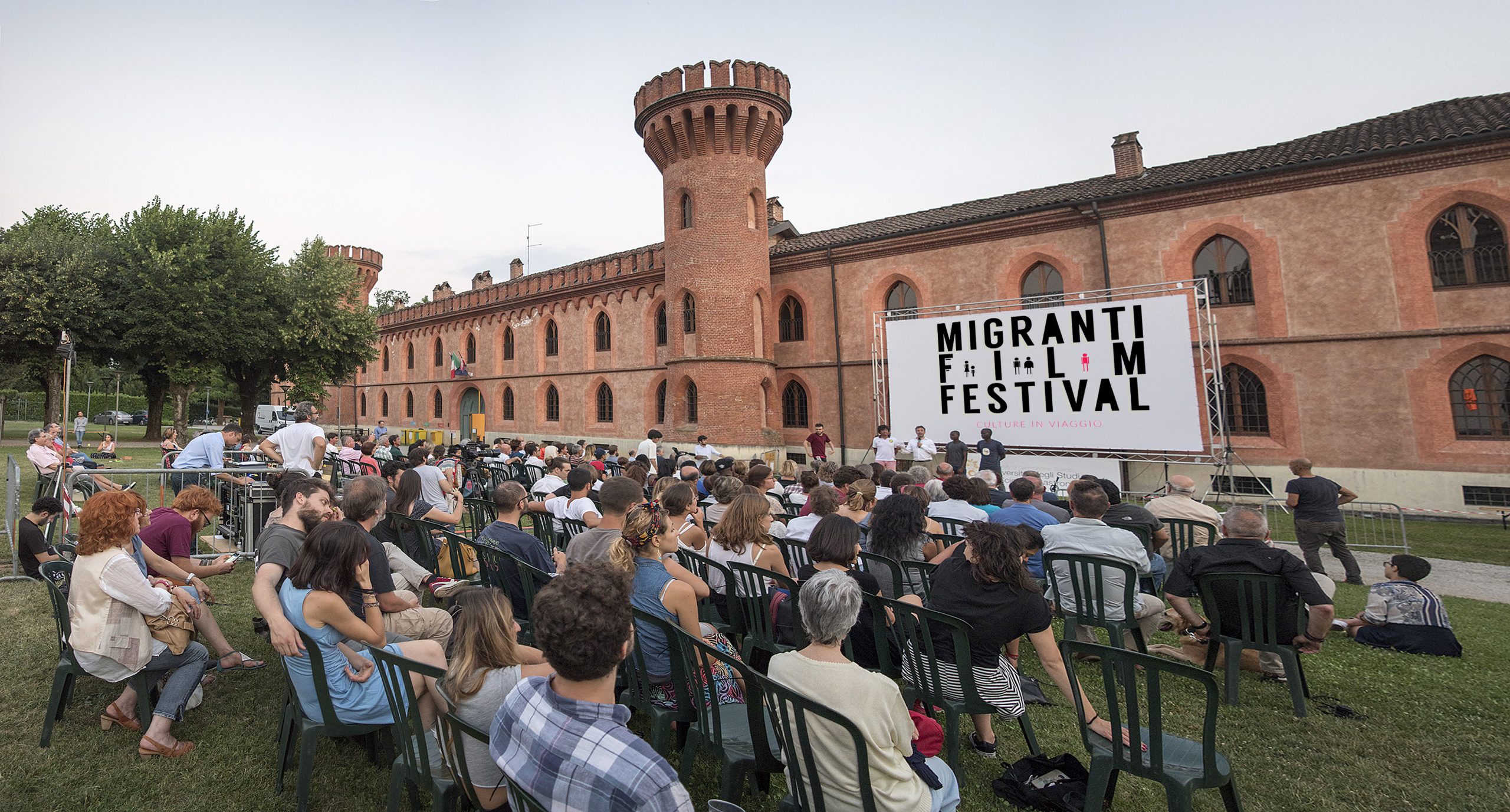
“The starting points for the many young people who came to Pollenzo in these three days were very distant, but through film and the opportunities for encounter provided by this festival, these points were brought close together. This is a first step towards remediating the cultural crisis of migrations, aimed at inclusion and mutual understanding,” said Dario Leone, director of the Migranti Film Festival, as the first edition of the festival came to a close on Monday evening.
https://youtu.be/0jU2sVly-8A
The Gianmaria Testa Award for best feature-length film was presented to Danish film Les Sauteurs by directors Moritz Siebert, Estephan Wagner and Abou Bakar Sidibé, as decided by the jury chaired by Giorgio Diritti. The Dario Fo Award for best short film was shared equally between Bunkers by Swiss director Anne-Claire Adet and Peace.Please by Slovenian directors Tina Lagler and Blaž Miklič, as decided by the jury chaired by Emanuele Crialese.
https://youtu.be/dVRACbZ_QJs
A Special Mention was given to the Swedish-Iranian feature Prison Sisters by Sarvestani Nima. The Fondazione CRC Prize for best fiction film was awarded to the Slovenian film A New Home by Ziga Virc. The ASBARL Prize was awarded to the French film Les Miserables by Ladj Ly and the UNISG Students Convivium Prize to the Ukrainian-Spanish Sasha by Joven Fèlix Colomer. A first prize also went to Les Sauteurs and a special mention to Prison Sisters, awarded by the Mylf Festival Torino. The Carovana Migranti Prize was shared equally between Bunkers and Peace.Please.
The keen topicality and need for a new festival like this one was confirmed by an emotional video-message that arrived from jury member Isabella Rossellini: “My father always told me that neo-realism was not an artistic choice for him, but an imperative to describe what he had experienced. It was something urgent, like a desperate shout to communicate and make others understand what the war was, which until then had been shown in the cinema only with propaganda films. I felt that same urgency and desire in the films I watched for this festival. The films are direct, honest, without artistic frills, and they all hit me like punches to the stomach. They helped me to open my eyes to the dramatic reality of this moment in history.”
Enrico Magrelli, film critic and jury member, commented: “The first edition of the festival confirms that film is still a powerful device able to describe reality and its nodes, human beings and their contradictions. This is film as a window that opens onto the world and forces us to look and to try to understand even that which seems invisible and full of pain and hope.”
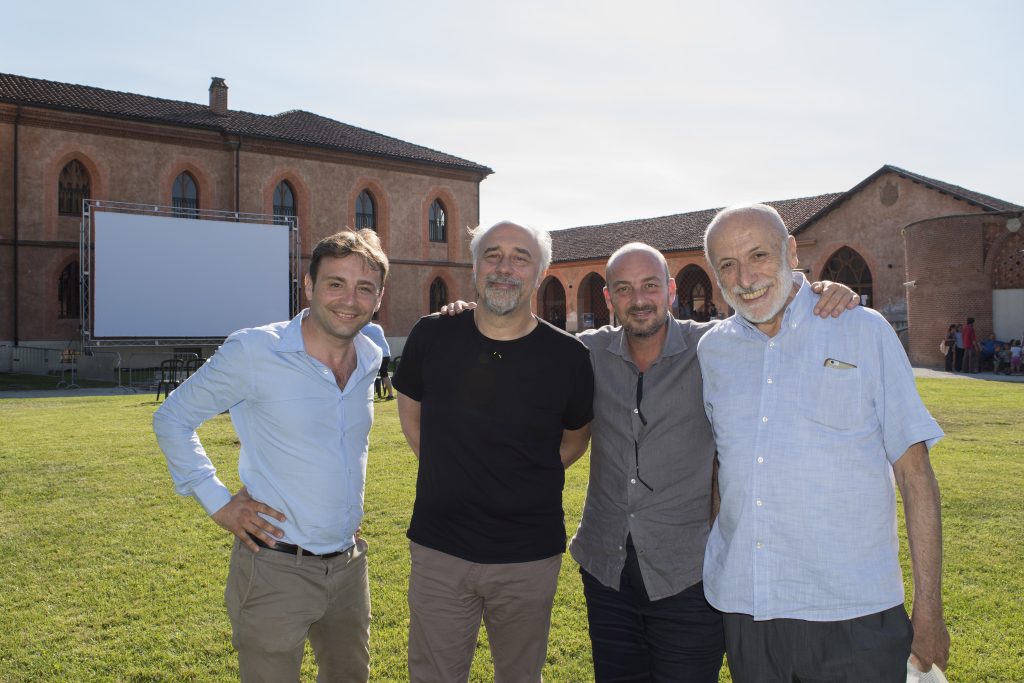
“These have been three intense days for Pollenzo and for our University of Gastronomic Sciences,” said Carlo Petrini, president of the university, who had been a firm supporter of the event since the very beginning. “Three days in which different cultures have come together, exchanging impressions and reflections, cooking together. The language of film, together with that of food, has created bridges to speak about a topic of great complexity and topicality, a topic that concerns all of us as citizens of the world. A thank you to all the migrant communities who wanted to be part of this marvelous weekend and a huge round of applause to our students, who worked so hard to make this success possible.”
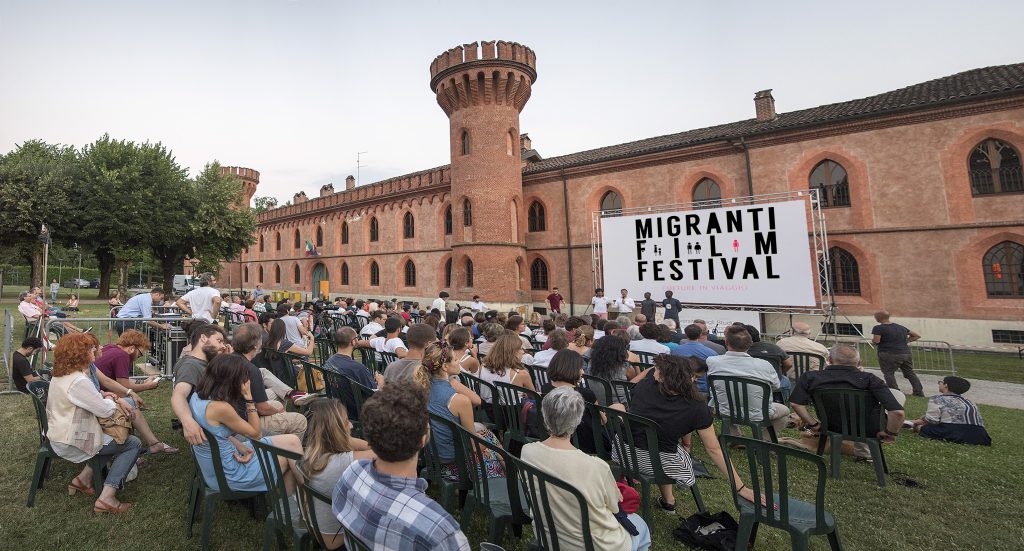
Every day, the small town of Pollenzo and the University of Gastronomic Sciences campus came to life with hundreds of participants in the events, guests and filmgoers. The event was organized in collaboration with Slow Food and the City of Bra as part of MIBACT’s MigrArti project and was supported by NovaCoop and the Fondazione CRC. Additionally, the support of Lurisia, Novamont, Birrificio Angelo Poretti, Osteria Boccondivino in Bra, Osteria dell’Arco in Alba and the Ristorante Albergo dell’Agenzia in Pollenzo made it possible to offer meals to 300 refugees during the festival’s three days.
The jury for the feature film section was chaired by Giorgio Diritti and composed of Gianni Amelio, Alberto Barbera, Luciana Castellina, Paola Farinetti, Enrico Magrelli, Maurizio Molinari, Liborio Termine, Alice Waters and Cheikna Thiam (a UNISG student from Senegal).
The jury for the short film section was chaired by Emanuele Crialese and composed of Francesco Amato, Victoria Cabello, Lella Costa, Jacopo Fo, Dieter Kosslick, Isabella Rossellini, Gabriele Salvatores and Ali Haidar Alsharani (a UNISG student from Syria).
Here are the numbers for the first edition of the #MFFPollenzo:
- 2 competition sections: 6 features, 8 shorts
- 3 out-of-competition sections with 60 films
- 19 jury members
- 12 countries of origin for the films in competition: Albania, Denmark, France, Italy/Sri Lanka, Slovenia, Spain, Spain/Ukraine, Sweden, Switzerland, United Kingdom, United States
- 2,509 films submitted from 113 countries, including 174 from Italy
- 8 migrant communities cooking their traditional food
And:
- Over 1,250 plates cooked by migrant communities from Senegal, Côte d’Ivoire, Somalia, Palestine, Peru, India, Mexico and Morocco
- 300 meals offered to refugees
- 2,000 visitors and filmgoers at the festival’s events
- 30 meetings at the Migrants' Speakers Corner with around 900 participants
- 6 major conferences on migration-related topics
- 40 teams participating in the sports tournaments
migrantifilmfestival.com
or contact us > comunicazione@unisg.it