
Informazioni preliminari
RESPONSABILE SCIENTIFICO
Renata Sõukand
ALTRI RICERCATORI UNISG COINVOLTI
Andrea Pieroni, Raivo Kalle, Michele Filippo Fontefrancesco
PARTNERSHIP
Ca' Foscari Università di Venezia (Italia), Eesti Kirjandusmuuseum (Estonia)
DURATA DEL PROGETTO
48 mesi
BANDO DI FINANZIAMENTO
Consiglio europeo della ricerca (ERC) nell’ambito del programma di ricerca e innovazione Horizon 2020 dell’Unione europea (accordo di sovvenzione n. 714874)
SDGs





Descrizione
UNISG, dal gennaio 2019, insieme all’Università Ca’ Foscari di Venezia, è tra i beneficiari del progetto ERC “Ethnobotany of divided generations in the context of centralization - DiGe”, guidato dalla Professoressa Renata Sõukand.
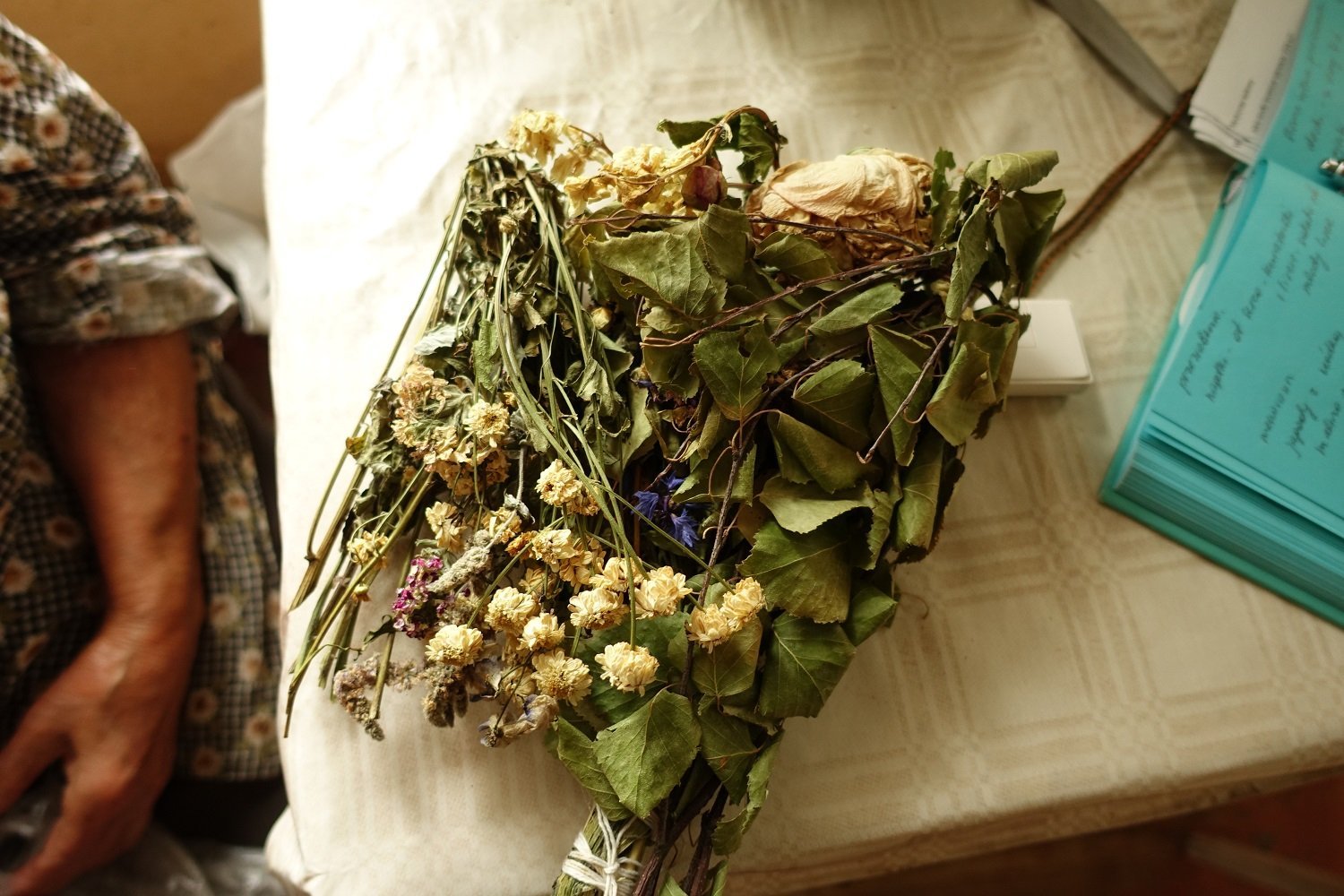
Comprendere le logiche di acquisizione, gestione e percezione delle risorse naturali locali, in particolare delle piante, è fondamentale per garantire la sostenibilità della vita umana, poiché l’uso delle piante è una delle chiavi per la sopravvivenza dell’essere umano.
DiGe mira a sviluppare una comprensione approfondita dei meccanismi di cambiamento delle conoscenze etnobotaniche delle società tradizionali/minoranze etniche quando il gruppo dominante cerca di unificare e/o erodere queste conoscenze pratiche. Il progetto valuterà inoltre gli effetti dell’improvvisa cessazione di tali processi di centralizzazione e il successivo impatto dei tentativi di recupero delle conoscenze etnobotaniche tradizionali ormai interrotte.
La ricerca osserverà l’effetto di diversi fattori sociali e culturali sull’evoluzione delle conoscenze etnobotaniche di quattro minoranze etniche compatte ma divise, che hanno sperimentato, per periodi più brevi (25 anni) o più lunghi (70 anni), differenti influenze che hanno inciso sul loro uso delle piante e condizioni sociali molto diverse (compresi il welfare e l’economia).
Come risultato a lungo termine, vi è la possibilità di prevedere l’entità e la profondità dei cambiamenti che si verificano nelle conoscenze etnobotaniche e, come risultato applicativo, di imparare a orientare ed educare le persone affinché le conoscenze necessarie per il mantenimento e l’utilizzo sostenibile delle risorse vegetali locali continuino a evolversi in modo da sostenere la salute e il benessere di diverse popolazioni.
Sito web
Pubblicazioni
Цоккі, Д. М., Мотузенко, О., Стрямець, Н., Фонтефранческо М.Ф., Соуканд, Р., П’єроні, A. (2022). Ковчег смаку в Україні: їжа, знання та історії гастрономічної спадщини. Бра: Авторське право (Zocchi, D.M., Motuzenko, O, Stryamets, N., Fontefrancesco, M.F., Sõukand, R., & Pieroni, A. (2022). The Ark of Taste in Ukraine: Food, Knowledge, and Stories of Gastronomic Heritage. Bra: University of Gastronomic Sciences).
Stryamets, N., Prakofjewa, J., Mattalia, G.. Kalle, R., Pruse, B., Zocchi, D.M., Sõukand, R., Pieroni, A., Fontefrancesco, M.F. (2022). Why the ongoing occupation of Ukraine matters to ethnobiology. J Ethnobiology Ethnomedicine 18, 21 (2022). https://doi.org/10.1186/
Sõukand, R., Stryamets, N., Fontefrancesco, M.F., Pieroni, A., 2020. The importance of tolerating interstices: Babushka markets in Ukraine and Eastern Europe and their role in maintaining local food knowledge and diversity. Heliyon 6, e03222. doi
Kalle, R.; Sõukand, R.; Pieroni, A. Devil Is in the Details: Use of Wild Food Plants in Historical Võromaa and Setomaa, Present-Day Estonia. Foods 2020, 9, 570.
Anegg, M., Prakofjewa, J., Kalle, R., & Sõukand, R. (2022). Local ecological knowledge and folk medicine in historical Estonia, Livonia, Courland, and Galicia, 1805-1905. Open Research Europe, 2, 30.
Kalle, R., Pieroni, A., Svanberg, I., & Sõukand, R. (2022). Early Citizen Science Action in Ethnobotany: The Case of the Folk Medicine Collection of Dr. Mihkel Ostrov in the Territory of Present-Day Estonia, 1891–1893. Plants , Vol. 11.
Sõukand, R., Kalle, R., & Pieroni, A. (2022). Homogenisation of Biocultural Diversity: Plant Ethnomedicine and Its Diachronic Change in Setomaa and Võromaa, Estonia, in the Last Century. Biology , Vol. 11.
Stryamets, N., Mattalia, G., Pieroni, A., & Sõukand, R. (2022). “Mushrooms (and a cow) are A Means of Survival for Us”: Dissimilar Ethnomycological Perspectives among Hutsuls and Romanians Living Across The Ukrainian-Romanian Border. Environmental Management.
Stryamets, N., Prakofjewa, J., Mattalia, G., Kalle, R., Pruse, B., Zocchi, D. M., … Fontefrancesco, M. F. (2022). Why the ongoing occupation of Ukraine matters to ethnobiology. Journal of Ethnobiology and Ethnomedicine, 18(1), 21. https://doi.org/10.1186/s13002-022-00523-x.
Mattalia, G., Belichenko, O., Kalle, R., Kolosova, V., Kuznetsova, N., Prakofyeva, Y., Stryamets, N., Pieroni, A., Volpato, G., Sõukand, R. (2021). Multifarious trajectories in plant-based ethnoveterinary knowledge in Northern and Southern Eastern Europe. Frontiers in Veterinary Science 8 (2021), 710019.
Mattalia, G., Belichenko, O., Kalle, R., Kolosova, V., Kuznetsova, N., Prakofjewa, J., … Sõukand, R. (2021). Multifarious Trajectories in Plant-Based Ethnoveterinary Knowledge in Northern and Southern Eastern Europe. Frontiers in Veterinary Science, 8. https://doi.org/10.3389/fvets.2021.710019
Mattalia, G., Stryamets, N., Balázsi, Á., Molnár, D.G., Gliga, A., Pieroni, A., Sõukand, R., Reyes-García, V. (2021). Hutsuls’ perceptions of forests and uses of forest resource in Ukrainian and Romanian Bukovina. International Forestry Review Vol.23(3), 2021.
Mattalia, G., Stryamets, N., Grygorovych, A., Pieroni, A., Sõukand, P. (2021). Borders as crossroads: the diverging routes of herbal knowledge of Romanians living on the Romanian and Ukrainian sides of Bukovina. Frontier in Pharmacology, 11 (2021), 598390.
Mattalia, G., Stryamets, N., Pieroni, A. et al. (2020). Knowledge transmission patterns at the border: ethnobotany of Hutsuls living in the Carpathian Mountains of Bukovina (SW Ukraine and NE Romania). Journal of Ethnobiology and Ethnomedicine, 16, 41.
Sõukand, R., Kalle, R., Fontefrancesco, M.F., Pieroni, A. (2021). Building a safety buffer for European food security: the role of small-scale food production and local ecological and gastronomic knowledge in light of COVID-19. Open Research Europe 1 (2021), 10.
Stryamets, N., Fontefrancesco, M.F., Mattalia, G., Prakofjewa, J., Pieroni, A., Kalle, R., Stryamets, G., Sõukand, R. (2021). Just beautiful green herbs: use of plants in cultural practices in Bukovina and Roztochya, Western Ukraine. Journal of Ethnobiology Ethnomedicine, 17, 12 (2021).
Kalle, R., Belichenko, O., Kuznetsova, N., Kolosova, V., Prakofjewa, J., Stryamets, N., … Sõukand, R. (2020). Gaining momentum: Popularization of Epilobium angustifolium as food and recreational tea on the Eastern edge of Europe. Appetite, 150, 104638.
Pieroni, A., Vandebroek, I., Prakofjewa, J., Bussmann, R. W., Paniagua-Zambrana, N. Y., Maroyi, A., … Sõukand, R. (2020). Taming the pandemic? The importance of homemade plant-based foods and beverages as community responses to COVID-19. Journal of Ethnobiology and Ethnomedicine, 16(1).
Prakofjewa, J., Kalle, R., Belichenko, O., Kolosova, V., & Sõukand, R. (2020). Re-written narrative: transformation of the image of Ivan-chaj in Eastern Europe. Heliyon, 6(8), e04632.
Prūse, B., Kalle, R., Buffa, G., Simanova, A., Mežaka, I., & Sõukand, R. (2020). We need to appreciate common synanthropic plants before they become rare: Case study in Latgale (Latvia). Ethnobiology and Conservation, 10.
Sõukand, R., Mattalia, G., Kolosova, V., Stryamets, N., Prakofjewa, J., Belichenko, O., … Kalle, R. (2020). Inventing a herbal tradition: The complex roots of the current popularity of Epilobium angustifolium in Eastern Europe. Journal of Ethnopharmacology, 247, 112254.
Avvisi