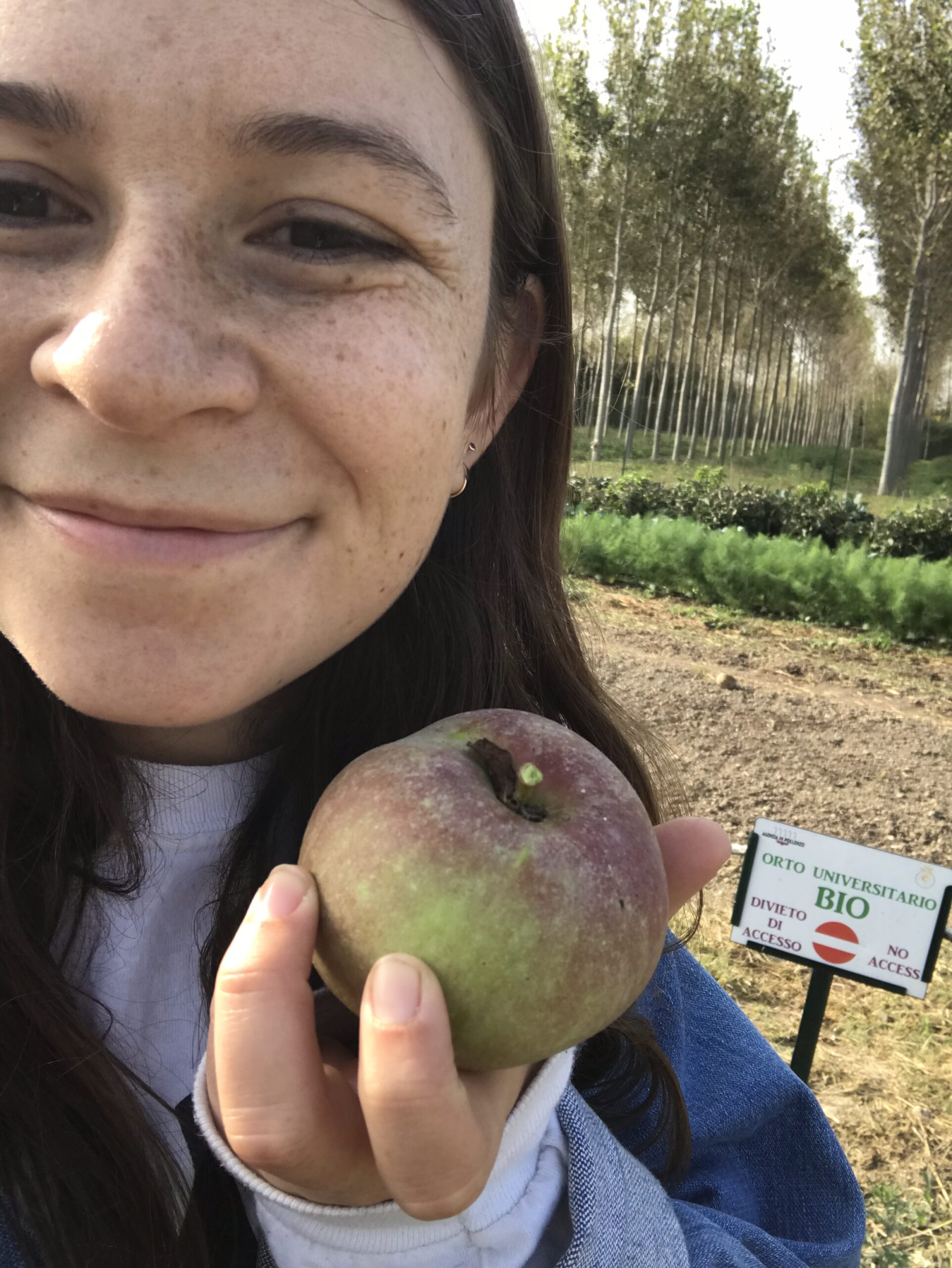
Alumna Naomi Maisel’s Love of Food Has No Borders
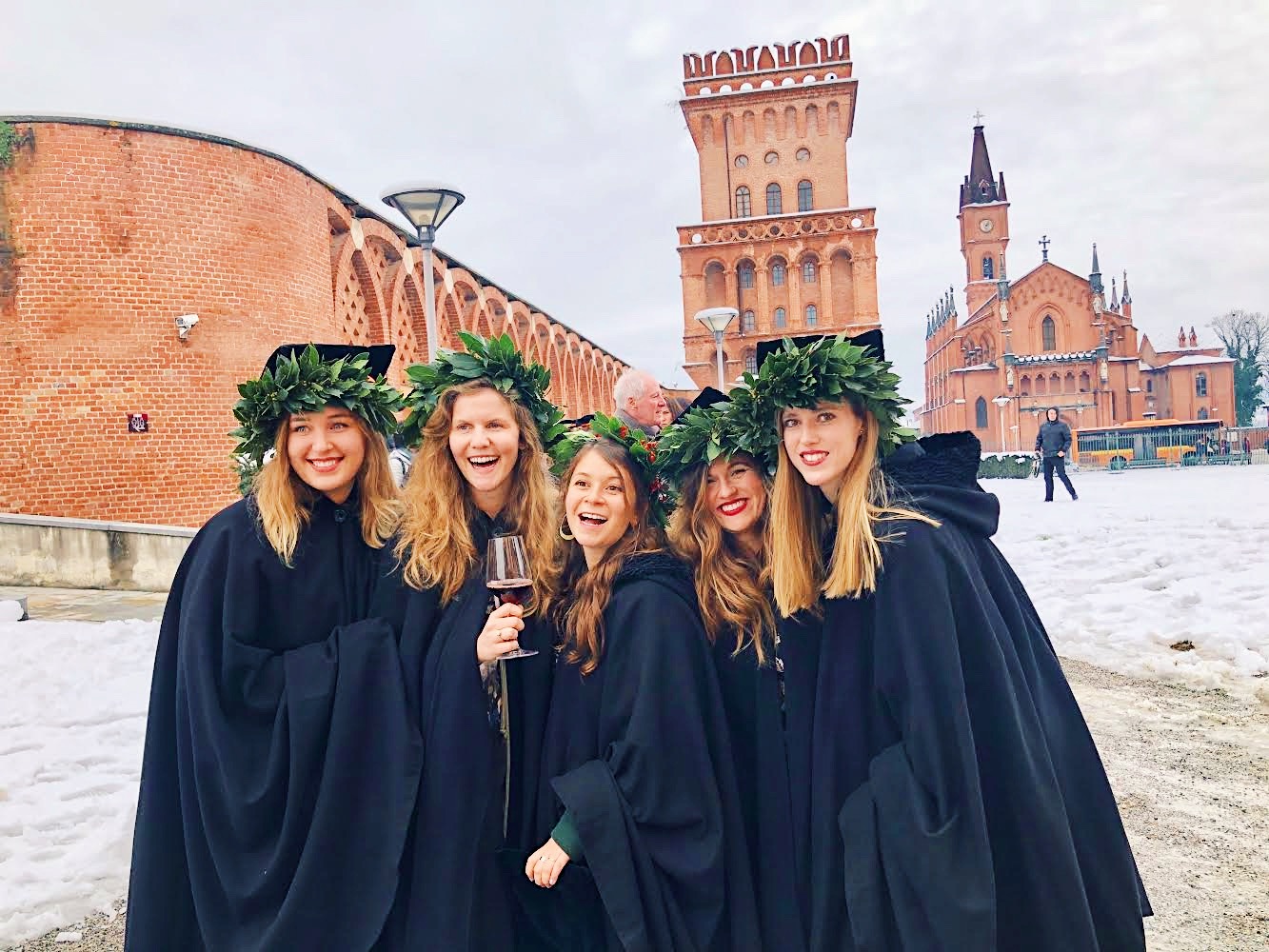
Processed with VSCO with g3 preset
Naomi Maisel’s journey into the world of food is as rich and layered as the dishes she champions at La Cocina, the San Francisco-based incubator equipping immigrant women and people of color so they thrive in the culinary industry. Her path was influenced by academic curiosity, a passion for food justice and a deep appreciation of the way food connects people and cultures. From studying anthropology at Emory University to immersing herself in the holistic, hands-on education at the University of Gastronomic Sciences (UNISG) in Italy, Maisel has cultivated a unique perspective — one that blends scholarship with lived experience, activism with artistry.
In this conversation, Maisel reflects on the transformative nature of her time at UNISG, where Slow Food, immersive learning and a global community reshaped her understanding of gastronomy. She shares how this experience ultimately led her to La Cocina, where she now works at the intersection of food access, equity and entrepreneurship. Her insights offer a powerful look at what it means to be a gastronome today and why food is never just about what’s on the plate — it’s about the people, the land and the stories behind it.
Q: How did you discover the University of Gastronomic Sciences (UNISG), and what inspired you to take on the program?
A: I attended undergrad at Emory University in Atlanta. I was studying anthropology there, but via Dr. Peggy Barlett’s classes became especially interested in food’s role in urban development and public health. I was taking every single food class offered at Emory and was lucky to get to take two classes with the incredible Dr. Cassandra Quave. Dr. Quave is an ethnobotanist, and she taught me a lot about the chemistry and the hard science world of food, including the crucial understanding of food as both medicine and poison.
After graduation I worked at a nonprofit for a couple of years and learned a lot, but I found myself missing food. I felt like I lost my connection to that world, and I knew it was the world that I wanted to be in. And so I reconnected with Dr. Quave, and she mentioned UNISG because she had done research with Dr. Pieroni, the university’s rector at the time.
I had such an amazing education at Emory, but it was a very westernized version of study which was focused almost entirely in a traditional classroom setting. UNISG was different because, while, of course, it had an academic lens, it also offered a holistic approach to learning that really engrossed you in food. It wasn’t just, “We’re learning about food.” It was, “We’re cooking food, and we’re tasting food, and we’re going to be around other people who love food,” and it felt like a much more visceral experience. Plus it is a short, very accessible program that also incorporates some incredible trips!
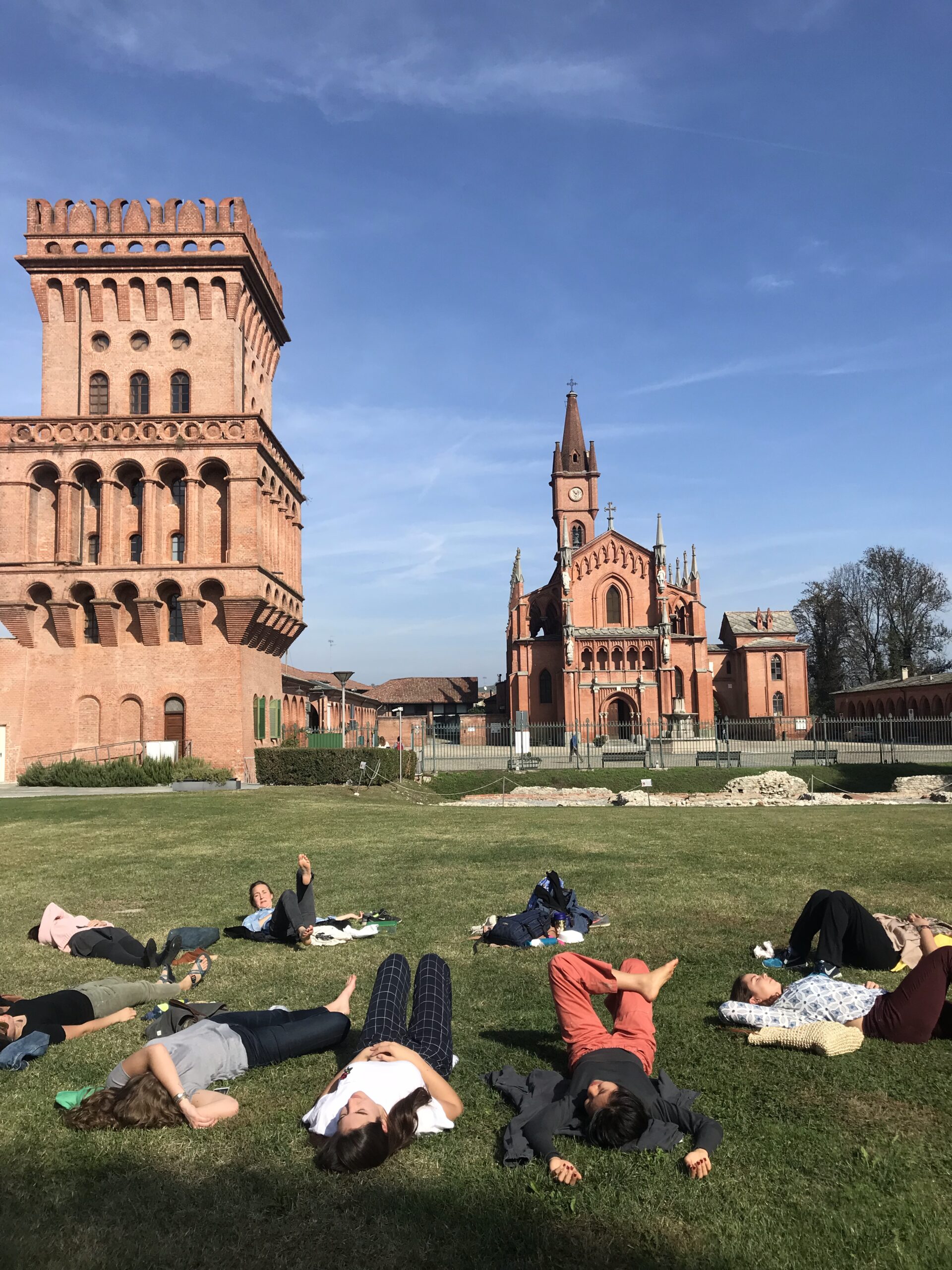
Q: UNISG is located in Pollenzo, Piedmont, which is in one of Italy’s most iconic food and wine regions, and it brings together students from all around the world. How did this environment enrich your educational and personal journey?
A: It was so transformative because I got to see how other people from other parts of the world and other cultures learn and react to authority, and how they see themselves in a classroom setting. It reminded me that the way that I learn is based on very U.S. tendencies and that there are other ways of seeing things, which was very eye-opening for me.
Everyone was so welcoming. That is not a surprise because there’s a quality about food that inherently invites this opening, and welcoming and slowing down. It was really special to be able to share that with people from all over the world, and I think it really spurred an openness in me. I’ve always been somewhat extroverted, but I’d never really been in a space where I could just push myself to be open to new things in every single way.
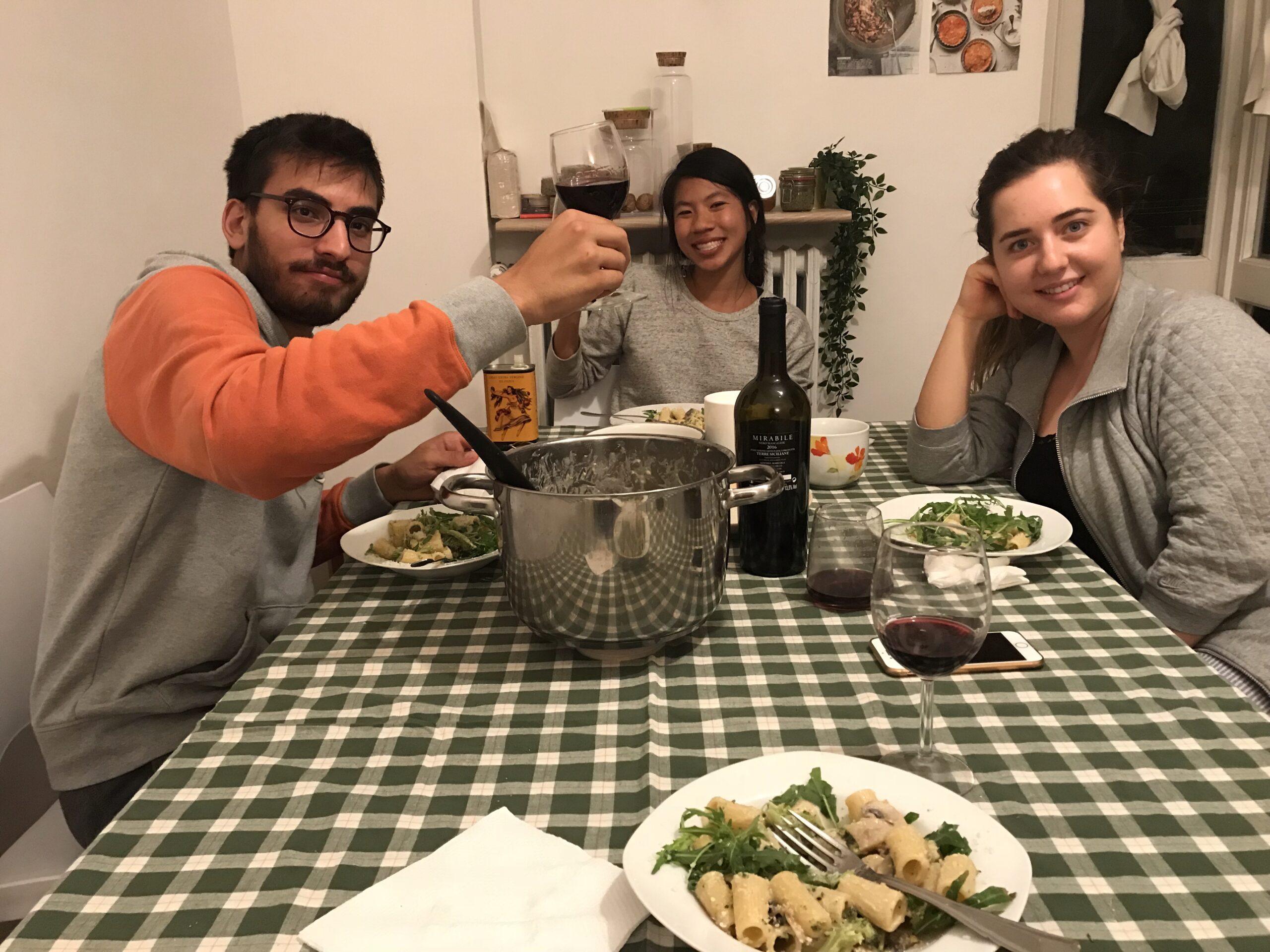
And obviously we had amazing food. We all shared our food traditions from all over the place. Mostly, the social life consisted of elaborate dinner parties that lasted late into the evening. People would just bring things to share, and it was so fun. It was such an enriched experience because of the fact that people were from so many different backgrounds and were willing to share that with each other.
Q: Is there a certain moment when the setting of the school made the biggest impact on you?
A: I had so many big moments there. It was a very transformative year. And looking back, it almost feels like a dream in some ways.
A lot of the time, I would either walk or bike to campus and I would be walking and biking through farms and fields. It’s a really beautiful opportunity to very viscerally experience what you’re learning. You’re not going to class and learning about Slow Food and regenerative practices and different cultural interpretations of certain foods, and then going back to a big city and all of it just gets swallowed up.
Because it’s so slow and quiet and in the countryside, you are really immersed in what you’re learning. You’re passing farms as you’re learning about farms. And I think that keeps you present in the work and allows you to really absorb the material, and also to keep you a bit more humble.
One particular time I was walking along the road to Barolo with my sisters who were visiting, and we stumbled across this house and an old man was in front. He welcomed us in, and it turns out he grows hazelnuts, and showed us pictures of his grandparents making wine and we sat and enjoyed wine and nocciole (hazelnuts) with him! This experience was slow food personified, in a way that feels nearly impossible to learn solely in a classroom. That’s because slow food inherently incorporates connection to the land and the people around us.
It’s easy, I think, from an academic lens, to learn about what’s right and what’s best for others, but to really be forced to experience it day to day helps you to consider a lot more complexity around the topic.
Q:What does it mean to you to be a gastronome today, especially as someone who’s studied at UNISG? How do you carry that identity in your home country and in your work today?
A: My previous background with food had been primarily from an academic lens of public health and infrastructure, sustainable ag and tech, and I loved it. But I think what UNISG gave me was an appreciation for the holistic capacity of food, and I can’t really look at it now without considering every single part of it, especially feeling really tied to the land and producers and nature and just taking a bit more of a humble stance.
Being raised in the U.S. in particular where there’s such a focus on individualism and success and growth, I grew up so excited to change things and make things better. And I think when you begin working with nature when it comes to regenerative farming practices, distribution, production, waste, et cetera, you develop a humility and an appreciation for the immensity of these systems, the way they interact with one another, and the great complexity within them. I think that’s something I took away from UNISG. I don’t imagine it will ever leave me. There’s just an appreciation for how much I don’t know and how much I’m not in control, and how I can work within that, within the food system, considering how everything is equitable for every type of person and every type of society, which is really hard.
To really love food means to love everything that goes into the food and everyone that touches the food, which is hard. It’s really easy to call yourself a foodie because you like to know about specific foods or you like a fancy meal, but I think to truly love food means to love the people that it comes from, and everyone that it touches and the world that we live in that produces it. I am so grateful that UNISG taught me that.
Q: So your passion for food clearly plays a big role in your life. Could you tell us how that passion has evolved and how UNISG helped turn it into a career or a calling?
A: The specific program that I took was World Food Cultures and Mobility [now World Food Studies], and I’m almost embarrassed to admit that my previous studies had barely touched on human migrations and immigration patterns and how they shaped food. UNISG gave me an appreciation for how people have shaped food and how they continue to do so, which gave me a stronger appreciation for learning more about immigration and sparked a passion for advocating for immigrant rights, especially because I was in school right around the Trump Administration’s “migrant protection protocols.”
I was really furious about what was happening at my hometown border. I’m from San Diego and I was just feeling this really intense connection to what I was learning about, where I come from and what was happening back home. The program focused heavily on the varied history of human migration over time, both from positive and negative influences, and how it has shaped our foodways. There has been war and famine and environmental disaster, but also the creation of new technology and new culinary practices and the building of roads and trains that has allowed communities to share traditional knowledge, spices and practices. All of these historic shifts have and do transform what our food looks like, and thereby what our communities look like. The combination of current events and the lens through which I was learning about food gave me a much greater appreciation for using food as a tool to champion immigrant rights, as well as the deep debt we owe immigrant communities for shaping what our world looks like today.
For the thesis portion of my master’s, I had the opportunity to work across the border at a shelter for asylum seekers in Tijuana, Mexico, and wrote my paper about the role of food in liminal spaces and in preserving and transforming identity, based on interviews and conversations I had with people working and staying there.
After completing the program, I moved to the Bay Area and was already familiar with La Cocina. I felt like I needed to work there because it was a culmination of everything I had been studying. It’s food access. It’s food security. It’s food sovereignty. It’s a celebration of food and a passion for food. It’s food as identity. It’s community building. It’s changing the status quo of business ownership and entrepreneurship, and it’s advocating for immigrant rights. And I just felt so excited to find a space where all of that could come together.
This journey has been a bit of a leap of faith for me in my career as I am trying to piece together the things that I love, and La Cocina has been such a perfect culmination of that for now. And I really believe that I could not have come here without the exposure to those learnings at UNISG.
Q: The food world is full of challenges but also opportunities for change. From your perspective, what makes this moment exciting? And what advice would you give to someone who wants to follow a similar path?
A: I will be honest, it is so hard to feel excited right now at this moment, especially politically and with the climate crisis.
One of my favorite concepts of agriculture, and it seeps into every single industry I’ve ever been in is: “Biodiversity breeds resilience.”
Often with economies of scale in order to make things more efficient, we make things uniform; that’s just how production works. And it’s really unfortunate because that makes us completely nonresilient, noncreative. We lose a lot.
Someone pursuing a career or education in gastronomy or food systems should ask themselves tough questions. “Is there diversity here in people, in thought structures, in topic? Is it trying to fit a square peg in a round hole, or is it solving a real, existing problem? And how does it align with nature? How is community engaged and/or built in this space?
Those are things that I really value about my current work, and that I would hope someone entering the space can bring into theirs so we don’t continue to perpetuate the more restrictive and noninclusive structures that have found their way into this industry like they do any industry.
UNISG is one place where you can really see biodiversity in action.
But don’t judge it based on your previous benchmarks of an undergrad program in the U.S. It was different than anything else I’ve ever done before.
There’s a lot of prioritization of pleasure and joy. And you have to consider if you’re ready for that. You may be a bit uncomfortable because of preconceived notions of what an academic offering should look like, especially for those coming from the U.S. But if you’re up for the challenge, it will be a transformative, joyous and delicious experience.