22 June 2026
In the spirit of Carlo Petrini's legacy, a global community of 526 beneficiaries testifies to transformation through education
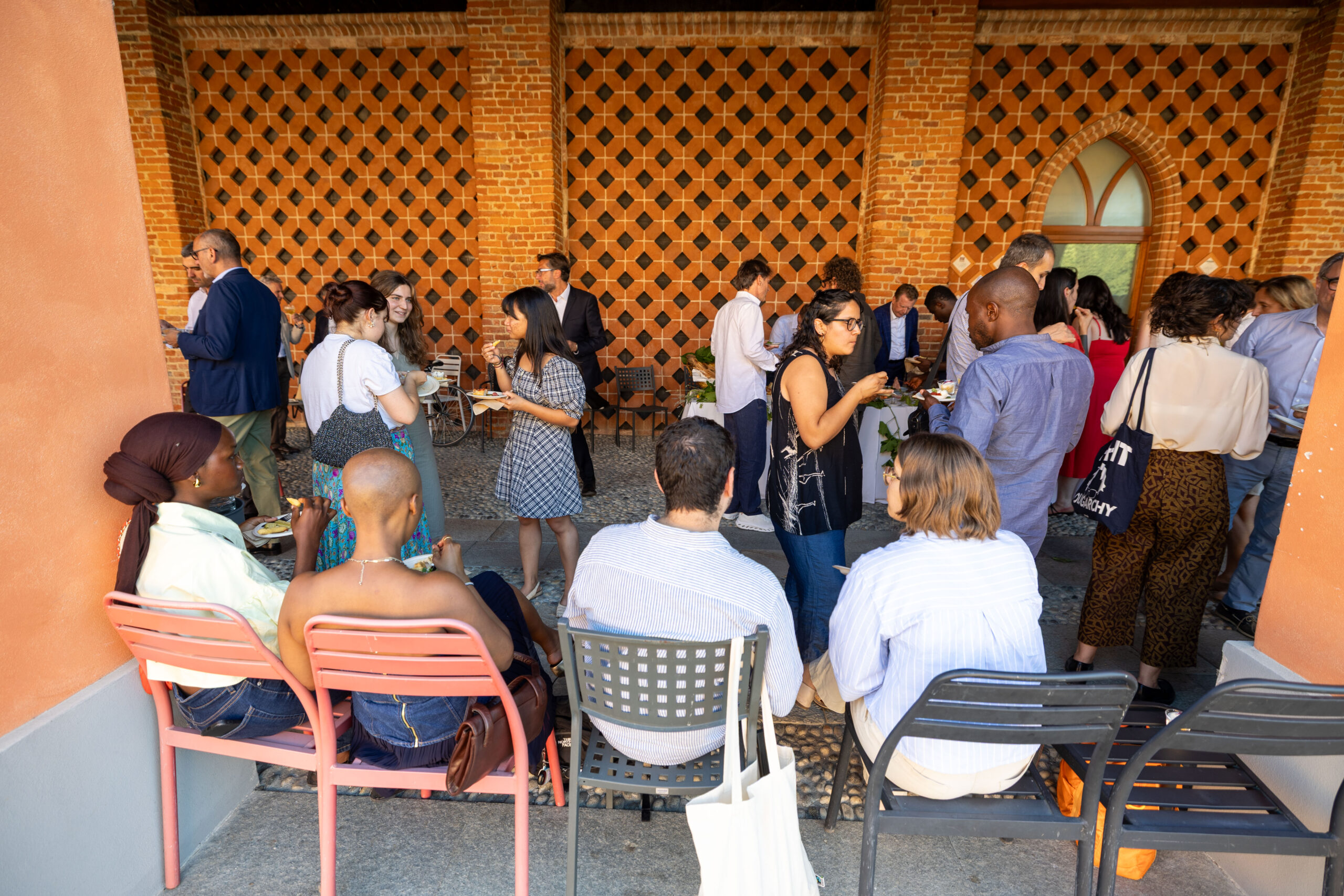
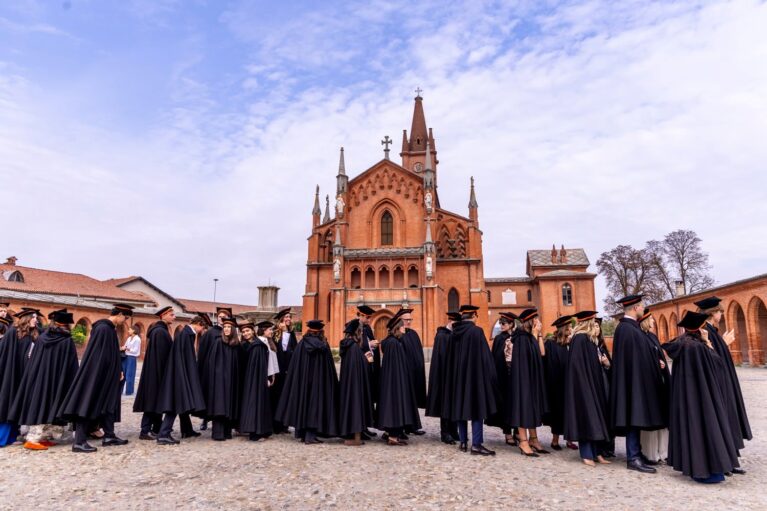
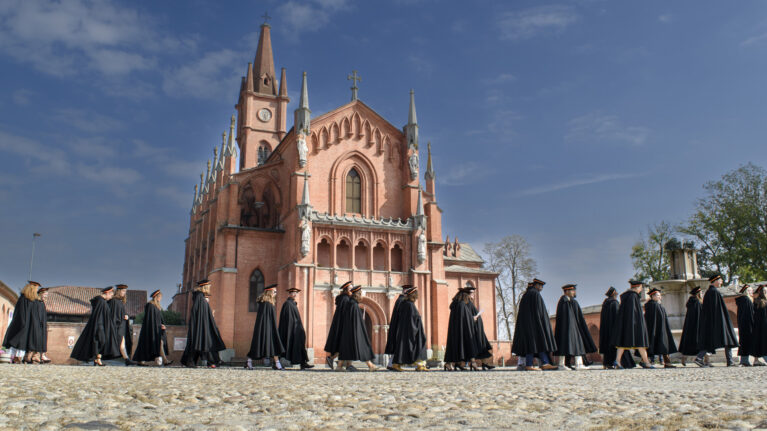
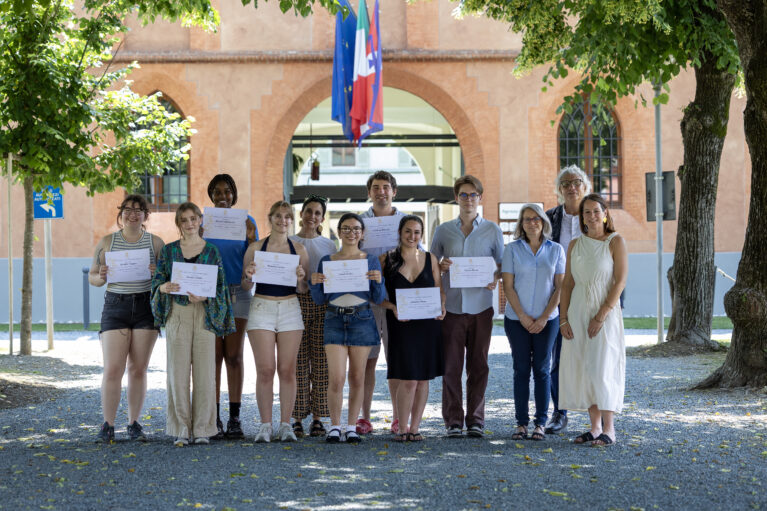
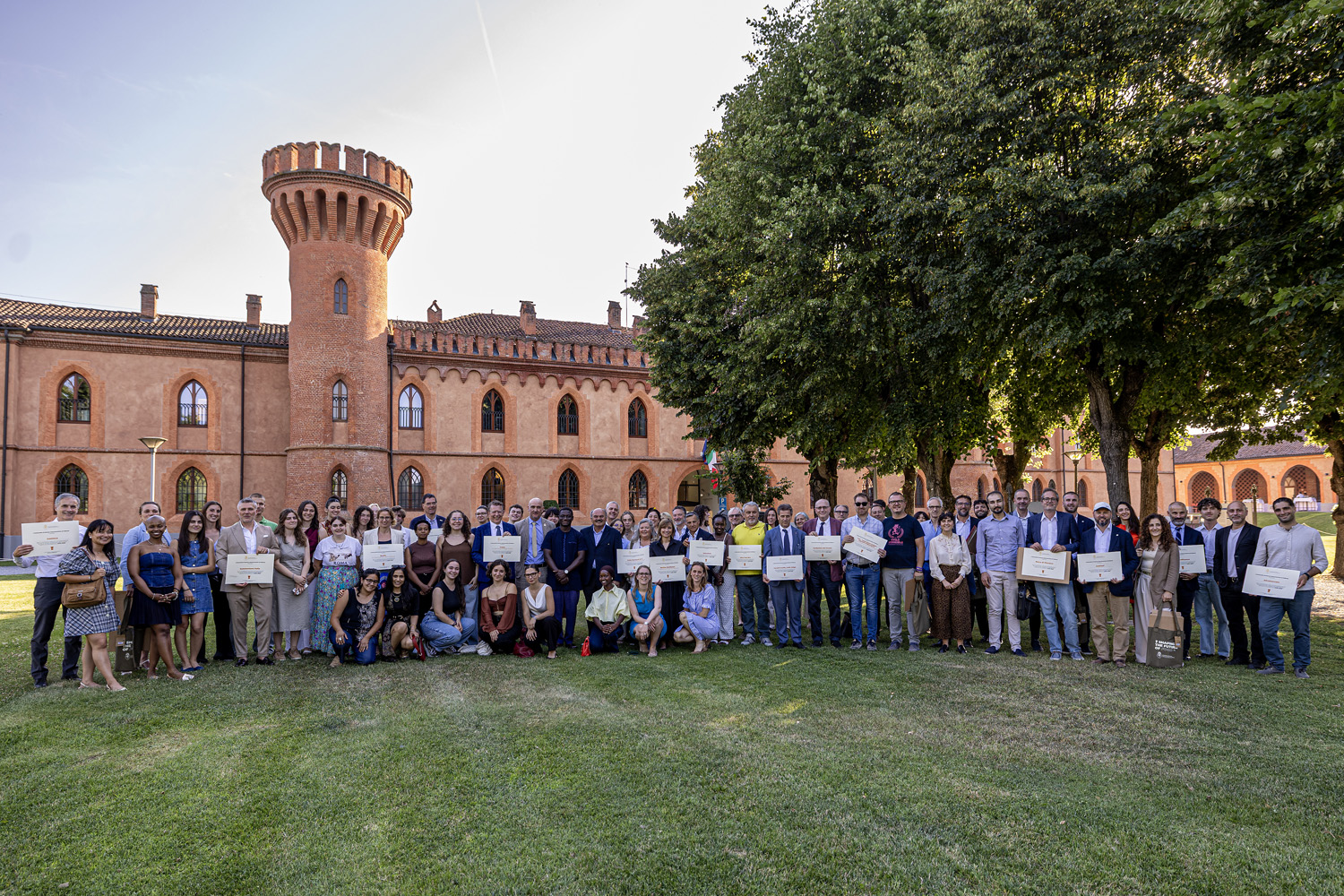
Pollenzo, June 17 2026 – The University of Gastronomic Sciences in Pollenzo celebrated its achievements in advancing the right to education with a ceremony bringing together students, partner companies, and institutions around a shared conviction: education is a fundamental right, on par with the right to food and the right to healthcare.
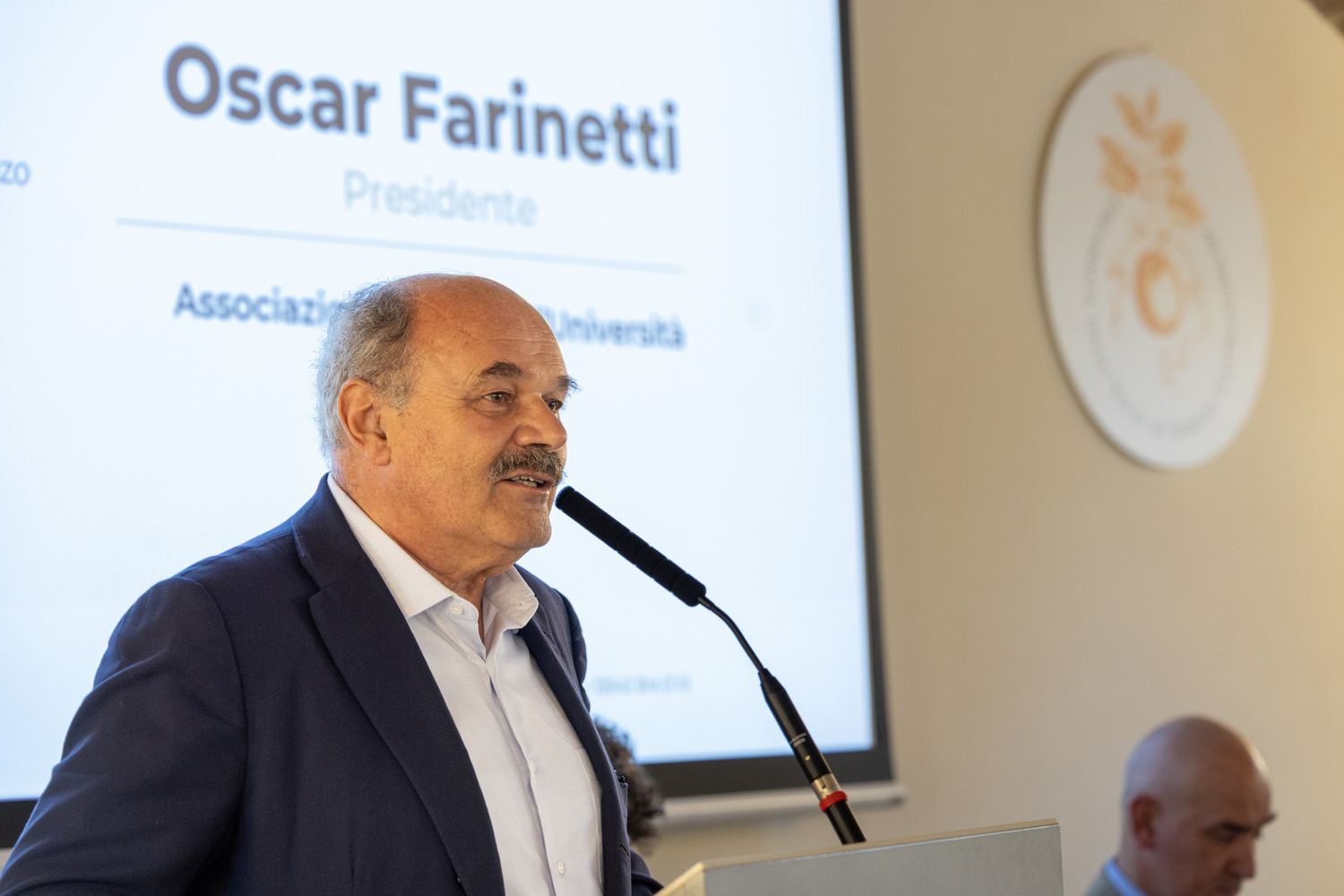
Oscar Farinetti, president of the University Friends Association, opened the proceedings by recalling Carlo Petrini's teaching on the centrality of this commitment. "Being a gastronomer does not mean working at a stove, but caring for the entire food chain with awareness, humanity, and responsibility," he stated, emphasizing how talent can flourish everywhere and that deserving an opportunity should not depend on one's place or social condition of birth.
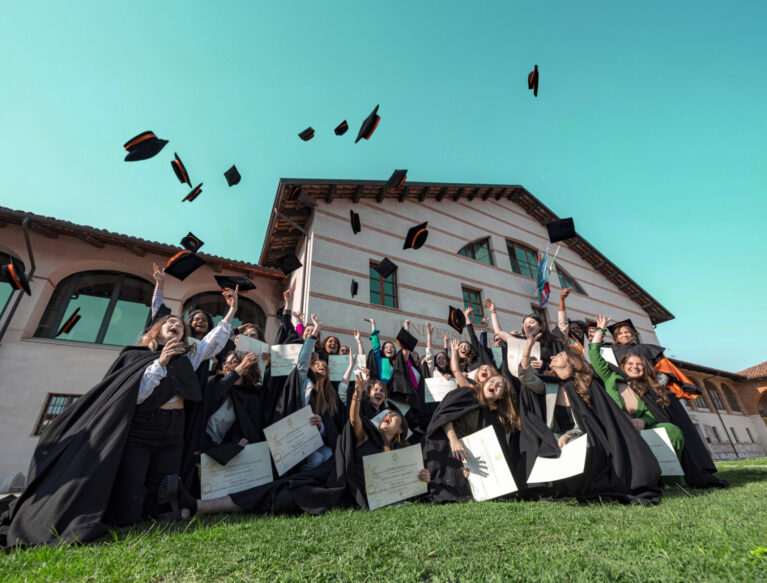
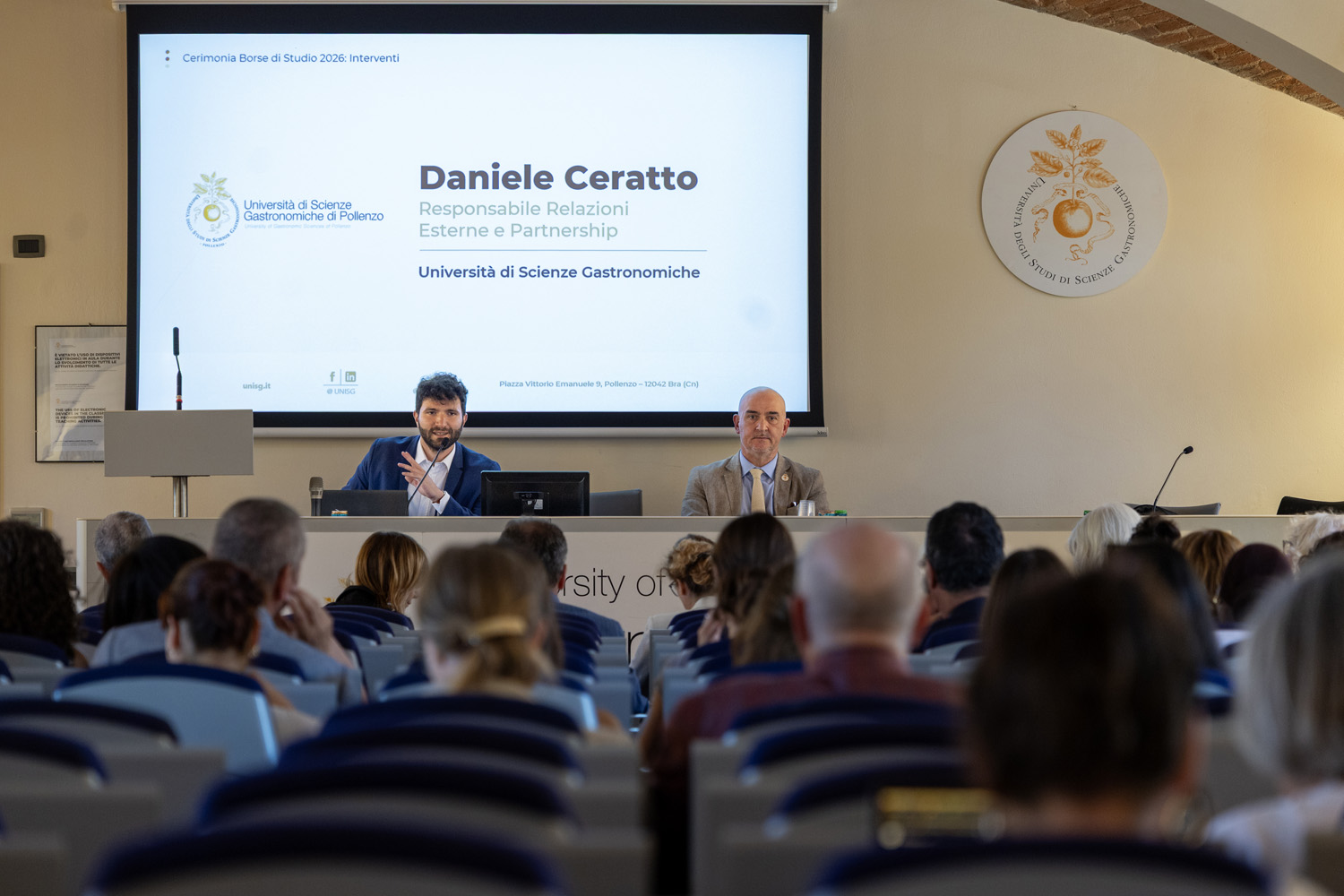
Daniele Ceratto, Head of External Relations at the University, presented data and figures on UNISG scholarships. "Over twenty-two years of history, the university has distributed scholarships to 526 students – 12% of the overall student population – investing over 14 million euros. In the current academic year alone, it has awarded 77 scholarships, 29 covering full tuition and 48 covering partial tuition. Recipients come from 22 countries – Chile, South Korea, Philippines, France, Georgia, Germany, Japan, Ghana, Guatemala, Kenya, Italy, India, Lesotho, Malaysia, Mexico, Nigeria, United Kingdom, Spain, United States, Turkey, Uganda – and represent a true global community."
Of the university's annual budget requirement for 2025, which amounts to 13.3 million euros, 39% comes from education, 22% from contributions by companies, institutions and foundations, 15% from research, 13% from third mission activities, 8% from other sources, and only 3% from contributions from the MUR (Ministry of University and Research).
Beyond tuition waiver, the University makes available approximately twenty apartments rented specifically for scholarship recipients to meet their needs.

The stories of those who benefited from scholarships filled the ceremony with emotion.
Viola Capriola, scholarship recipient and graduate of the three-year degree program in Gastronomic Sciences in 2012, now lives and works in Copenhagen, where she founded a non-profit association that organizes weekly farmers markets. Viola now coordinates the World Farmers Markets Coalition, an international association with over 100 markets in more than 80 countries. "A scholarship is an opportunity for a young person, but also for a parent", she said, recalling the emotion with which her father received the news.
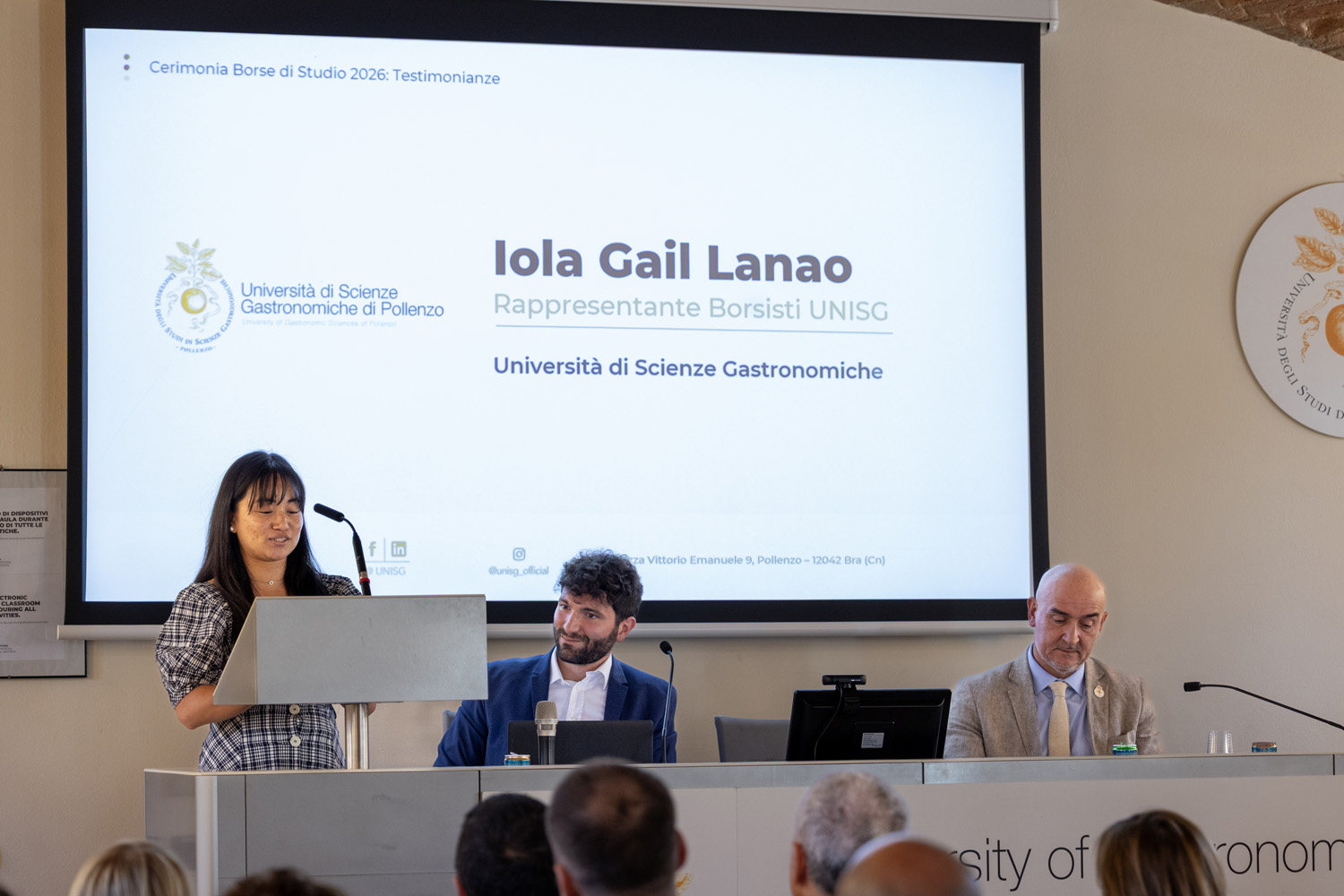
Iola Gail Balmediano Lanao, a scholarship recipient from the Philippines, in her second year, shared the moment she received the news: "I jumped and cried with joy." She described how the university allowed her to explore diverse disciplines, to understand different cultures through educational trips, and to build meaningful friendships with classmates from around the world.
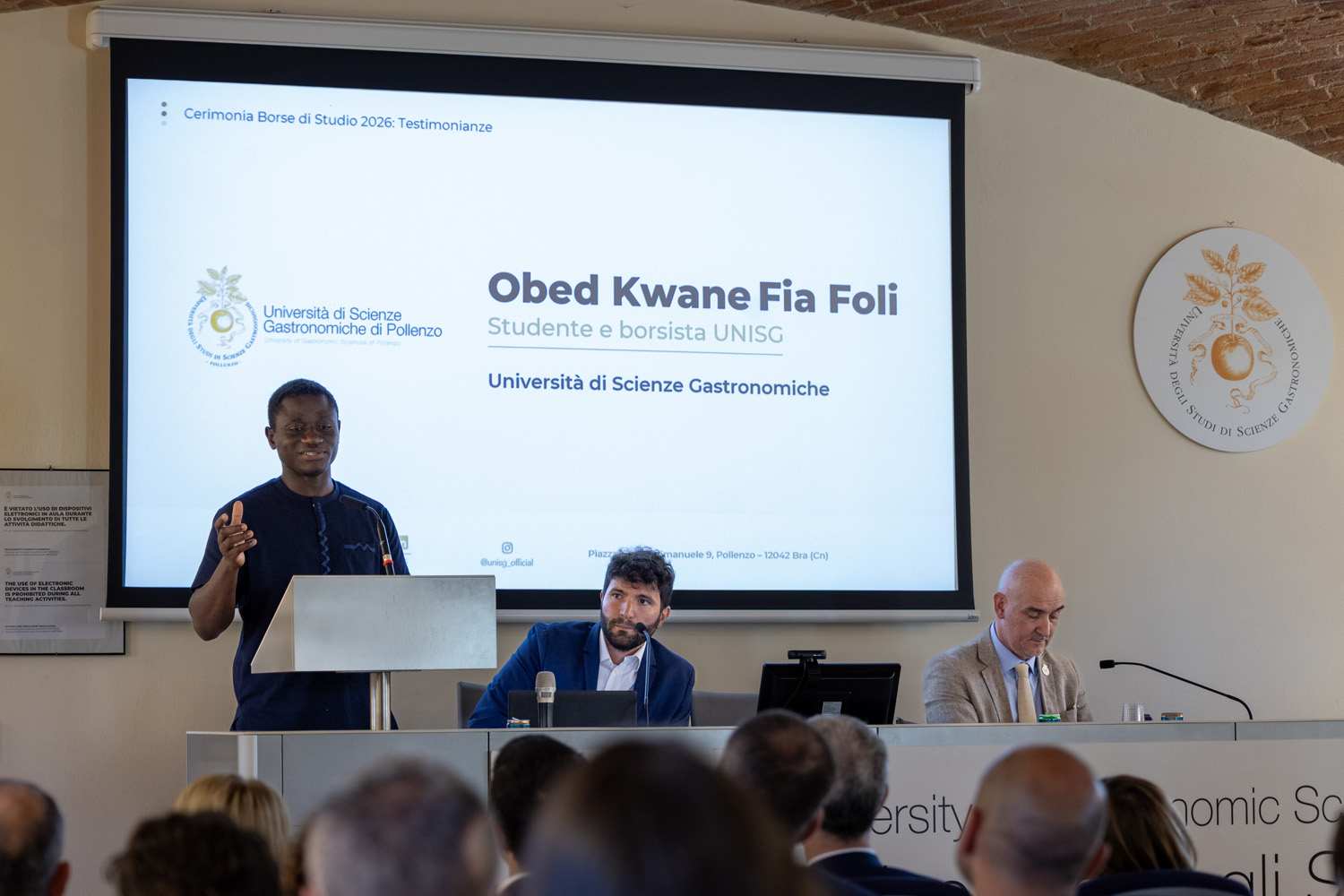
Obed Kwame Fia Foli, a scholarship recipient from Ghana, emphasized how Pollenzo taught him that "food is not only nutrition, but is politics, economics, history, science, anthropology, culture."
Partner companies expressed their commitment not as a mere financial obligation, but as an investment in the future.
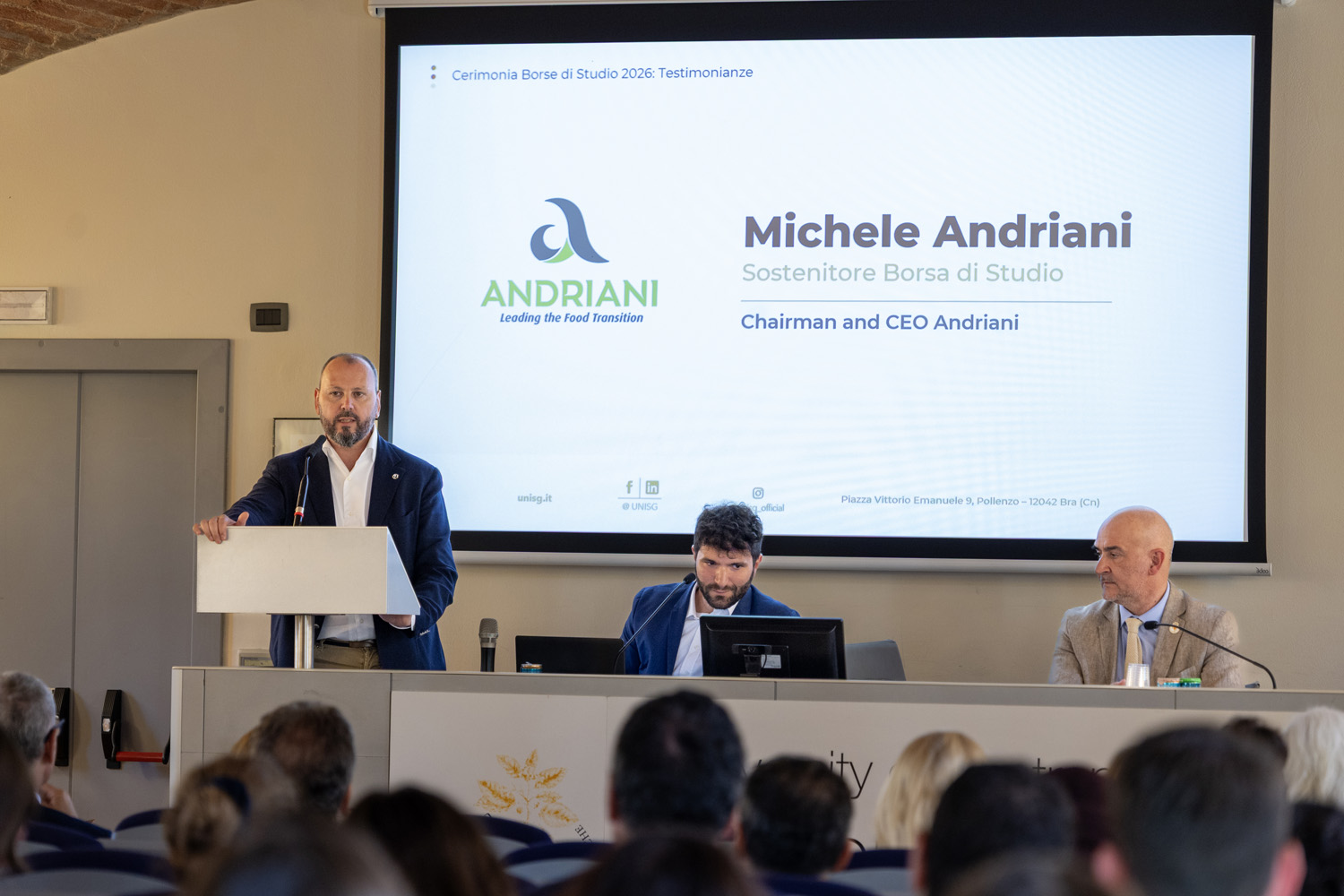
Michele Andriani, president and CEO of Andriani, made a direct appeal: "The world does not need medicine to be healed. The world needs more just, healthy, equitable food to be healed."
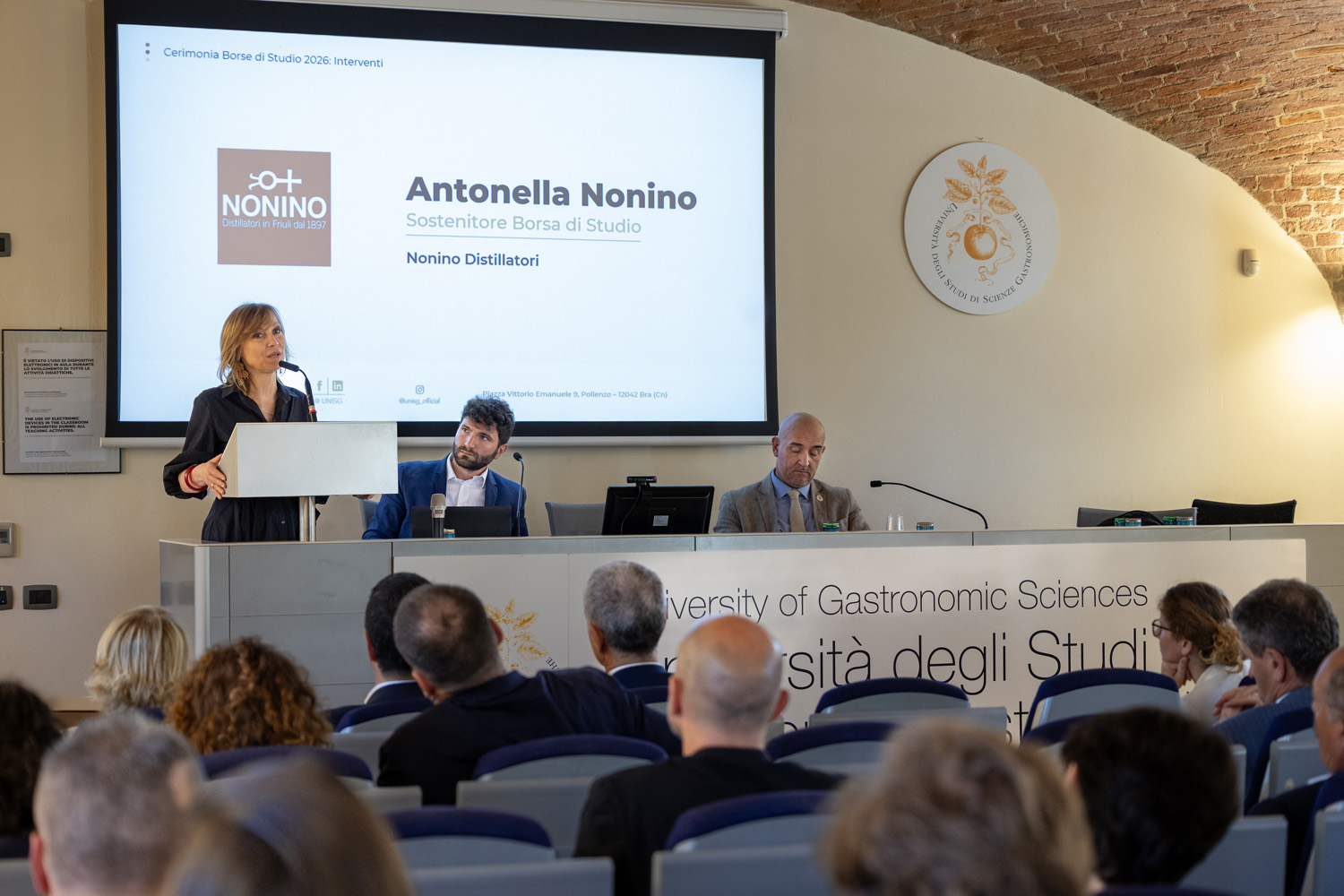
Antonella Nonino, of the Nonino family, recalled the deep bond between the company and the university, paying tribute to Petrini for ennobling gastronomic sciences. The family has established a scholarship in memory of their father Benito.
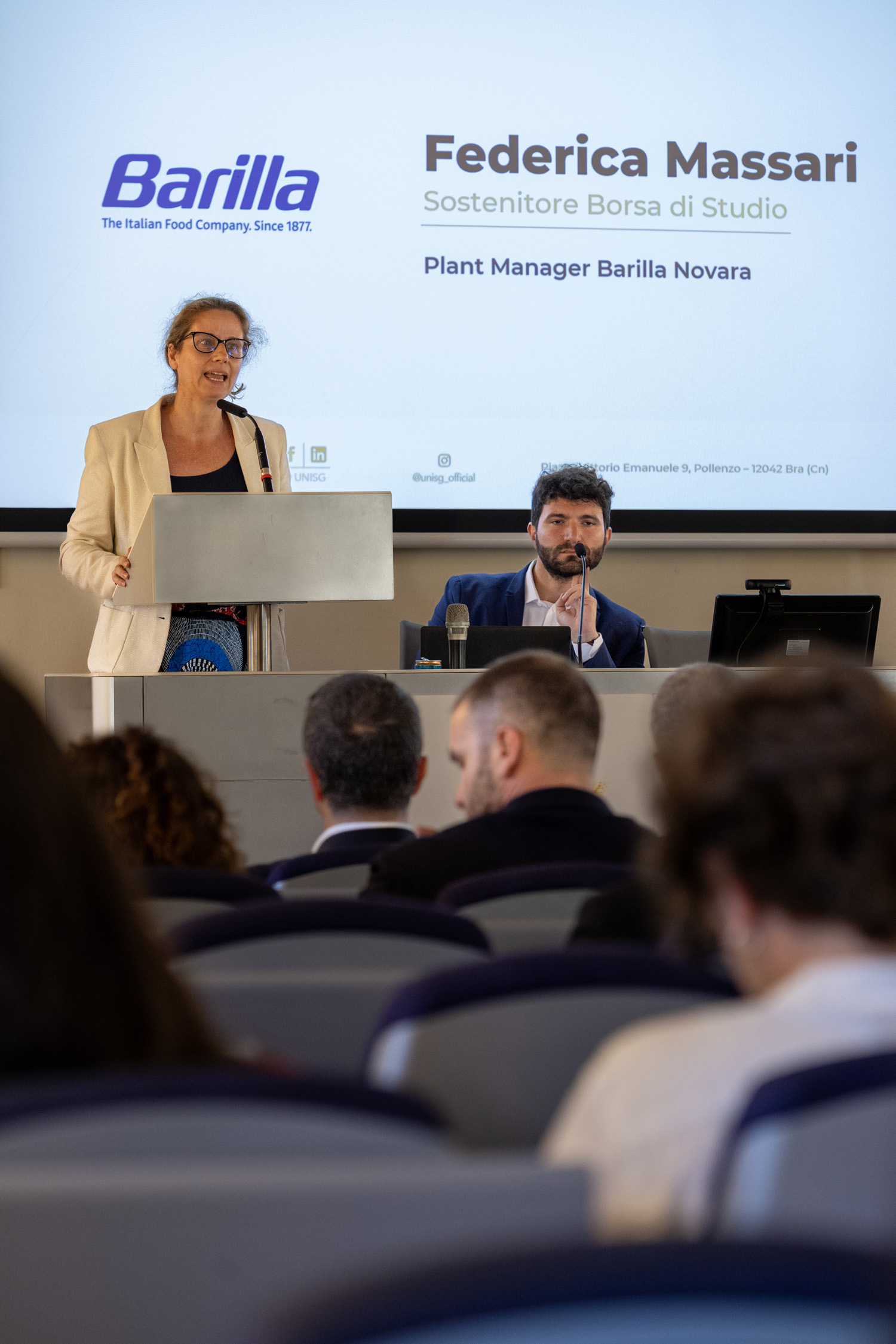
Federica Massari of Barilla highlighted how the right to education is "extremely democratic" and opens doors to knowledge, autonomy, and independence. Barilla has dedicated a scholarship in memory of Luca Virginio, a company manager who believed in the partnership between university and industry
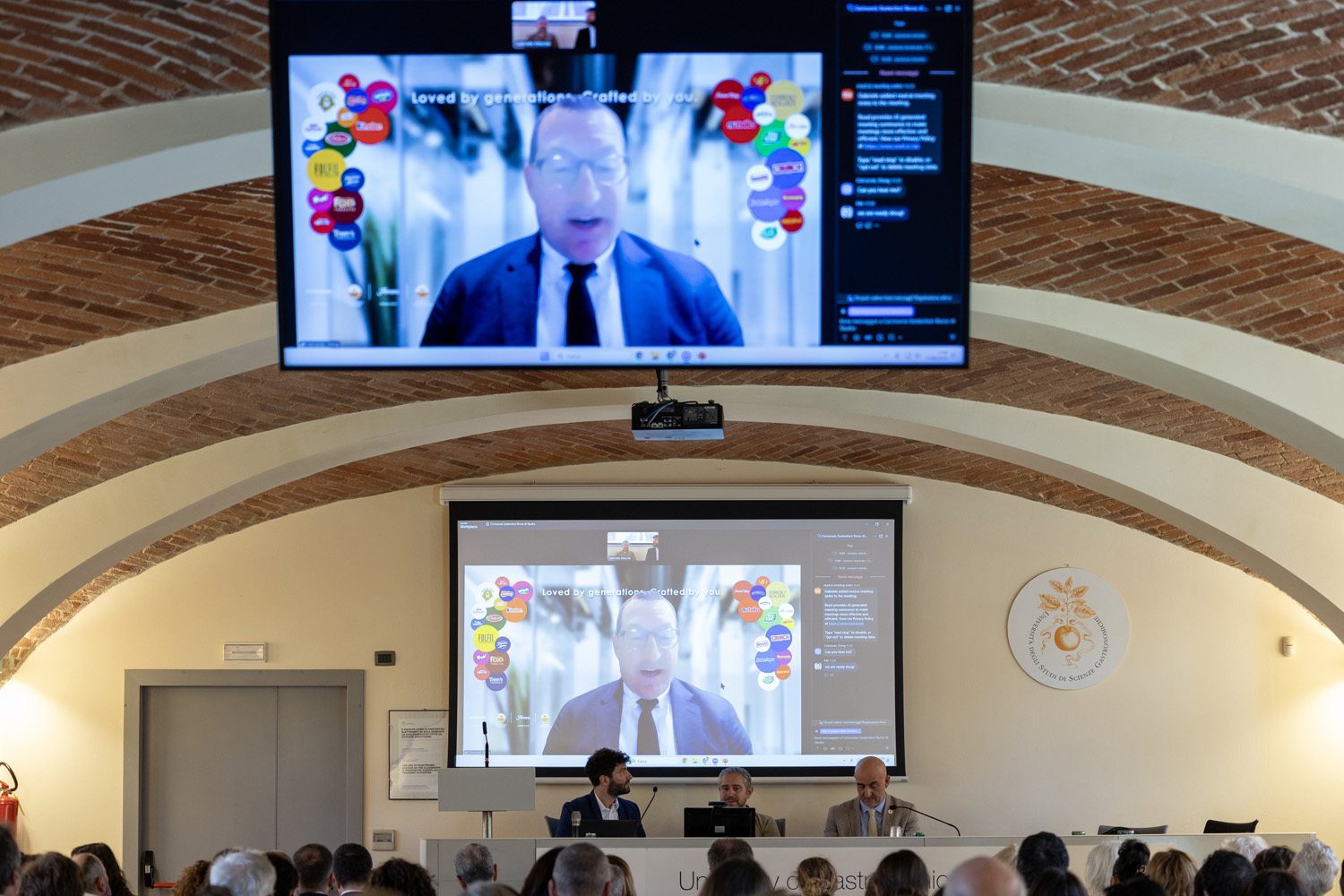
Then, connecting from the United States, Doug Corcoran of the Ferrara Candy Company announced support for an American student for the master's degree program in Food Industry Management, with the commitment to host him subsequently in the company for an internship.
Roberto Russo of Azimut addressed a direct message to students: "A scholarship is not exclusively a financial contribution. It is an act of faith. We are telling you: we believe in you." He emphasized that supporters do not expect thanks, but rather a "promise of repayment" – the awareness that whoever benefits from an opportunity has the responsibility to pass it on to future generations.
Rector and Vice-President Nicola Perullo closed the ceremony by recalling the teaching and moral legacy of Carlo Petrini: "This day has always been one of Carlo Petrini's favorite moments. For him, the right to education was one of the pillars of this university. Therefore, we continue to work on this front because it is fundamental." The rector then reaffirmed the ambition not to be perceived as "an elite university in the socio-economic sense of the term, but rather as an elite of meritocracy," and announced the intention to increase the percentage of scholarship recipients from the current 20% to significantly higher quotas.
He subsequently presented new programs starting in the new academic year: the three-year degree program with the Polytechnic University of Turin in "Food Tech for Ecological Transition" (entirely in English); the master's degree program in "Food Planetary Health"; an executive master's in Food Medicine; and future collaboration projects with other universities on the topics of food, health, and movement. Furthermore, the rector previewed the ambitious plan to expand university facilities, which includes the creation of new classrooms, laboratories, and teaching spaces.
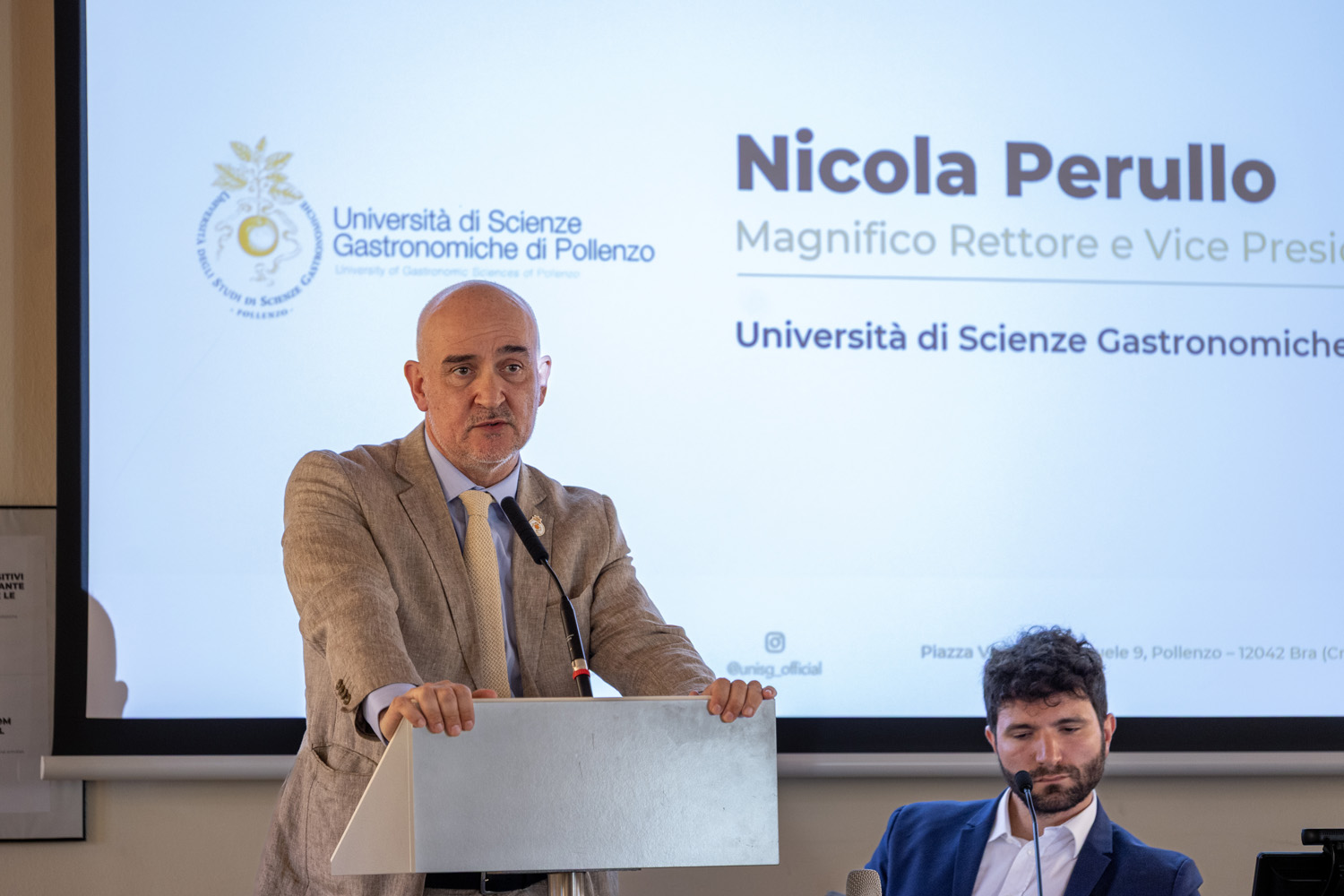
The Rector concluded by emphasizing how studying at Pollenzo represents a privilege not only for access to specialized content, but for three distinctive elements: the creation of meaning and existential value around food; the training of "specialists in awareness of complexity" who understand the before, during, and after of food consumption; the building of an authentic community where one studies, learns, and lives together.
The ceremony represented a moment of reflection on the profound meaning of the right to education understood as an instrument of personal and social transformation. The university's commitment, supported by a growing network of companies and foundations, is to continue on this path: maintaining the university "very small" to preserve the quality of the community, but significantly expanding access through scholarships, so that the privilege of studying at Pollenzo becomes progressively a reality for an ever-growing number of young talented people from every part of the world.