12 February 2014
Cannoli? Pasta alla norma? Cous cous? What do they remind you of? Sicily, of course. But these are just few of the many dishes that the Sicilian gastronomy proposes and that I tasted during my study visit in Sicily with my class of the Master in Food, Place and Identity of the University of Gastronomic Sciences.
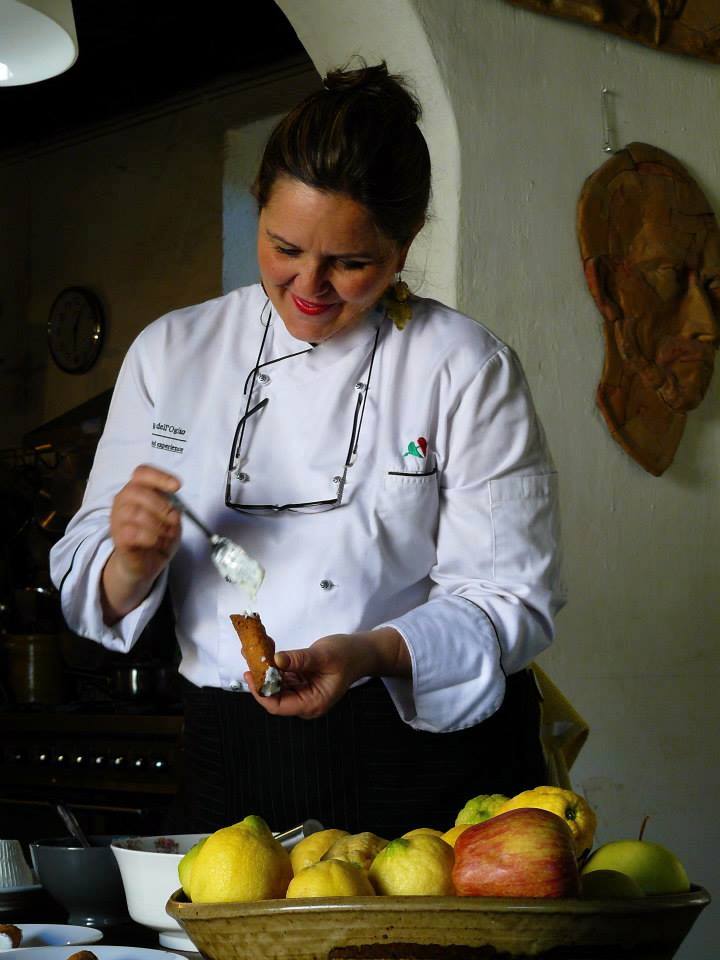
Sicilian gastronomy is based on the Mediterranean diet whose main ingredient is grain. Do you know how is produced today the wheat that Italy uses and where is it from? This is a fundamental issue for everyone who cares about health, welfare and eating well, really well. That’s why I decided to go back to Sicily and do my internship with Bonetta dell’Oglio: a well known chef from Palermo, a mother and a lover of good, fair and clean food.
She is involved in many projects aimed to promote high quality Sicilian products and a healthy and balanced diet, without forgetting traditions and the pleasure of eating. She is a charismatic and smiling woman welcomed me in to her house as a daughter, with a warm and affectionate attitude that only a southern mother has.
During the last 2 years she has worked in a cultural movement called “La Rivoluzione in un Chicco” – “The revolution in a grain”- whose main goal is to preserve the biodiversity of old Sicilian wheat which have been naturally selected during 5000 years.
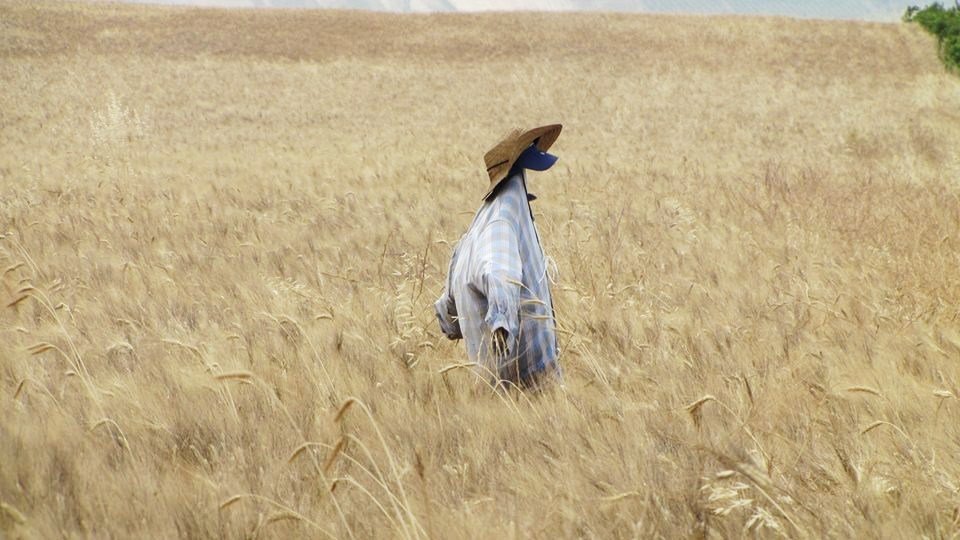
Nowadays multinationals always use the same few kind of wheat: the most productive and faster growing, but at the same time less nutritional, tasty and healthy and chemically treated.
For 50 years wheat has been hybridized and treated with radiations in order to create a very productive seed, with a smaller size so that machines can work better on them and there isn’t the risk they fall because of the weight of the wheat or bad weather.
Lately these new kind of wheat are being introduced in to our diet, but our organism is not used to it, as a consequence what was once a rare illness is spreading more and more: celiac disease. We can prevent this illness naturally, that is by eating old varieties wheat from Sicily: the granary of Europe, where every culture has its roots.
This is not easy at all, because since July 2013 the European Union forbids the selling and the use of seeds which are not registered and homologated by seeds companies. The old variety wheat seeds are not, that’s why farmers cannot have subsidies from the EU and need to find funds elsewhere.
I was surprised when Bonetta was cooking lunch for me and her family when she boiled the pasta made with old variety wheat just for a couple of minutes and not for 10-15 minutes as I was used to with the most common pasta brands. Why? Because her pasta is 100% natural: not chemically treated, the flour is stone milled so that all the important parts of the grain such as the bran and the germ are kept and they increase the amount of nutritious elements for our diet. Even the natural slow process of drying helps to maintain the nutritious elements.
The first problem, as Bonetta always reminds, is the consumers knowledge. It’s only possible to change something in the food market if the knowledge of the consumers changes their awareness of the food market. If the consumer demand doesn’t change, the new product does not change.
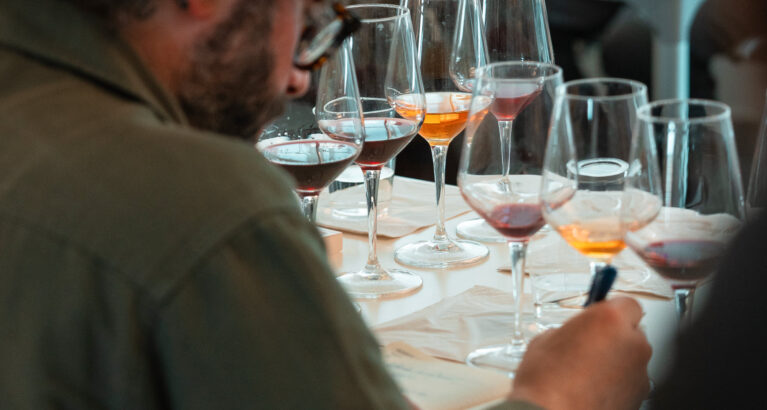
I’m helping Bonetta to spread the word, to inform people organizing events such as tastings, conferences, dinners, tv shows, cooking classes and many other initiatives.
Her passion, her charisma, her deep knowledge about agriculture, her perseverance are the best tool to involve people and make them fall in love in what she believes, as I have.
The revolution starts from the daily bread, that’s why the target includes everyone: from the chef to the consumer, adults and children. Not to forget the need of a strong link with agricultures.
It’s time to change: now in Sicily, tomorrow somewhere else.