
25 September 2016
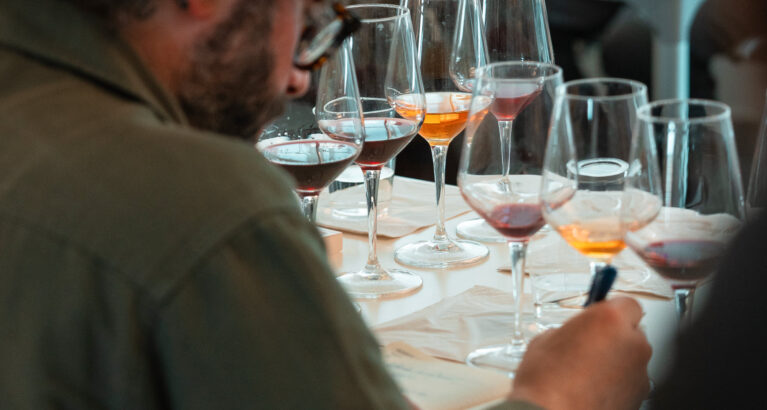
When we think of fermentation we often think about fermented foods: cheese, salumi, bread, beer and wine...but also vanilla, chocolate and coffee undergo a fermentation process. Nearly a third of the foods eaten around the globe are fermented. The process of fermentation is known, each chemical reaction is studied. We know our good old bacteria, the Saccharomyces cerevisiae, the Lactobacillus bulgaricus. But how much do we know about the world of microbes – the microcosmos – and how we are connected with it? In this short article I want to explore our relationship with bacteria, how it could be and how food is involved in all of this.
Fermentation is a natural phenomena that has existed ever since microbes were on this planet. What we humans learned to do is to guide, control and interrupt the process, turning it into something that benefits us, and our tastes and preferences. These fermentations are basically processes of rotting, up to a specific point, as a result of each micobe’s metabolism. Instead of being thankful to the microbes that provide us with such delicious products the major part of our population is scared and declares a general war against all bacteria. We live in a very clean world, and by clean we usually understand “free of microbes“. We act against bacteria by not letting children play in the dirt, using sanitizing spray or desinfecting soap. We do the same to ourselves when we use antibiotics (from Greek: anti = against, fight, kill and bios = life) or eat pasteurized, sanitized and industrial foods. Both behaviours end up impoverishing the biodiversity of the microcosmos in and around us. Reducing biodiversity is studied vastly in the field of agriculture and ecology, and it is commonly agreed upon that a biodiverse system is more resilient. Can we also translate this concept to our body? The field of research on human microbiota has only recently started to grasp the diversity of microbes that live in our gut and the important and complex way we and our bacteria interact. It seems that these tiny, invisible and primitive forms of life have a tremendous influence on our well-being, allergies, moods and, obviously, digestion.
Moreover, the microbial cells in our body outnumber human cells by a factor of 10! Does it now seem silly to fight generally against microbes, since we might be more an accumulation of bacteria than actual human? We depend on these bacteria and they depend on us. This symbiotic relationship can be improved by eating healthy, nurient rich foods. Here is where fermented foods come onto the stage. Eaten raw, they have a special power. As opposed to many other foods, when we ingest fermented foods we also ingest probiotics, specific nutrients and enzymes. Besides having an exciting taste these “living foods“ make vitamins available, contain precious components, some of which are considered anti-cancerous, and much more. Maybe it’s time to reconsider the relationship we have with the bacteria we live with. Some strains of bacteria would not continue to exist “in nature“, and only do so because we cultivate them and their substrate, our food. They did co-evolve with us, and once we see that this relationship is interdependent, it could be the basis for a new understanding of the microcosmos.