Preliminar information
SCIENTIFIC MANAGER
Paola Migliorini
OTHER UNISG RESEARCHERS INVOLVED
Sandra Spagnolo
PARTNERSHIP
CREA - Council for Agricultural Research and Economics (Italy)
DURATION OF THE PROJECT
36 months (January 2025 – December 2027)
FUNDING INSTRUMENT
Sviluppo Rurale Piemonte 2023-2027. SRA 16/1/2024 Conservazione agrobiodiversità - Banche del germoplasma vegetale
MAIN INTERDISCIPLINARY RESEARCH AREA IN UNISG
Ecology and Sustainability
SDGs
Description
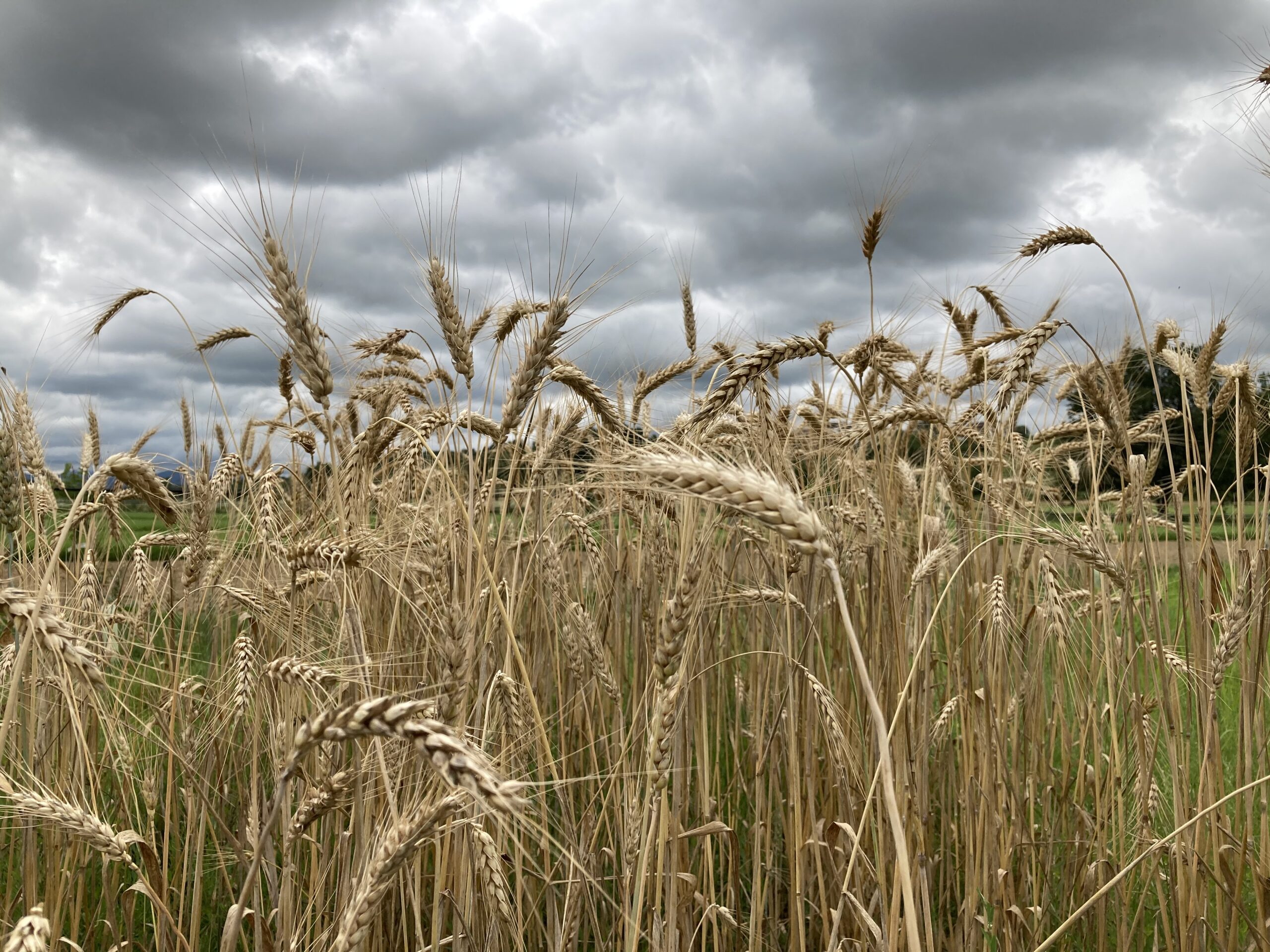
The purpose of the project is to increase the availability and quality of propagating material of heterogeneous material and local varieties of winter cereals suited to different environments and to different end uses, by identifying the specific traits of adaptation to differing and changing soil and climate conditions.
The activities of the Local Germplasm of Winter Cereals project aim to characterise and define the traits and the adaptability to climate change and to different environments of common wheat accessions and of heterogeneous material (mixtures) of local varieties of common wheat and rye, in order to increase the availability of suitable material and broaden the scope for its use.
The work will in part follow on from that carried out in 2023 under the project known as GERMOSE, and will make it possible to confirm and/or expand the information gathered for the phenotypic description of rye ecotypes.
Project objectives
Specifically, the partnership has set itself the following objectives:
- characterisation, evaluation and selection of the seed stock of the three rye ecotypes to be placed in conservation in the UNISG collection;
- characterisation, evaluation and selection of the seed stock to be placed in conservation for around 20 accessions of autumn-sown winter cereals held in the UNISG collection;
- in situ conservation of genetic resources and of heterogeneous material with a high degree of genetic diversity, assessment of the differing response to different growing environments, and participatory and evolutionary selection;
- qualitative and genetic characterisation of the materials;
- sharing of information on cultivated biodiversity, participatory selection, resilience and adaptation to climate change, and the selection and management of local genetic resources.
Expected results
The activities planned under the Vernini project are focused on achieving the following results:
- phenotypic characterisation of the accessions and mixtures examined;
- greater availability of suitable propagating material: uniform seed lots of the accessions examined;
- greater availability of suitable heterogeneous material;
- greater awareness and information among farmers regarding the selection and management of local genetic resources and of heterogeneous material: participatory and evolutionary selection;
- qualitative characterisation of the 20 common wheat accessions, the three rye mixtures and the three wheat mixtures under examination;
- food-safety characterisation (DON and T2-HT2) of the 20 common wheat accessions, the rye mixtures and the wheat mixtures under examination;
- genetic characterisation of the glutenin composition of the 20 common wheat accessions under examination.
Progress to date
The planned activities have proceeded in line with the schedule: the establishment of the seed-increase plots for the common wheat varieties and the heterogeneous material (common wheat mixtures and rye mixtures), the phenotypic characterisation, the participatory selection of ears, and the outreach meetings. Sample collection for the food-safety and quality characterisation has begun.
The results obtained at the end of the project will be presented through a series of outreach meetings.
Publications
Updating
News from the project
Meeting - Local Varieties of Soft Wheat, Rye and Blends - Saturday, September 26, 2026
In-Person Events in Piedmont — Summer–Autumn 2026
"Initiative funded by the Rural Development Complement 2023–2027 of the Piedmont Region – Intervention SRA16 – Conservation of agrobiodiversity – Vernini Project"
Initiative Funded by