
The 5
Strategic
Development
Areas of UNISG
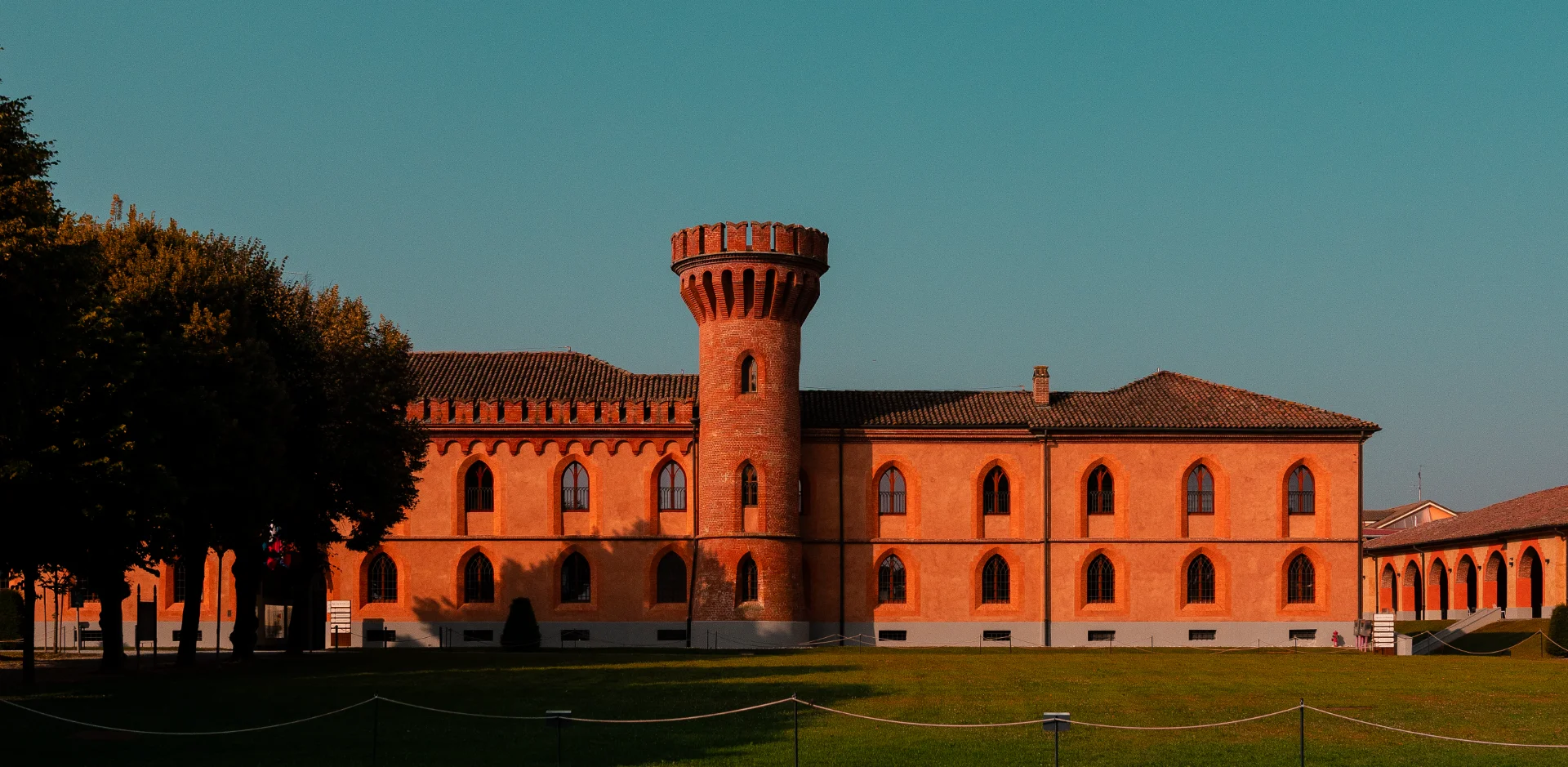
At Pollenzo, we study the centrality of food to life. We interpret this centrality across five major areas.
Around these five areas, the future of the University of Gastronomic Sciences.
We envision a “Pollenzo 2.0” that, with a five-year program (2026–2030), will lead the University of Pollenzo to be recognized as the most prestigious and important academic hub in the world for the culture, science, and technology of sustainable, healthy, clean, and quality food.
This growth will take place both in basic and applied research, with new researchers and new facilities, but also in our educational offering, with more students and more professors. Ultimately, with ever greater opportunities, thanks to strategic alliances and partnerships with businesses, institutions, and research and training centers.
Health, wellness,
and sport
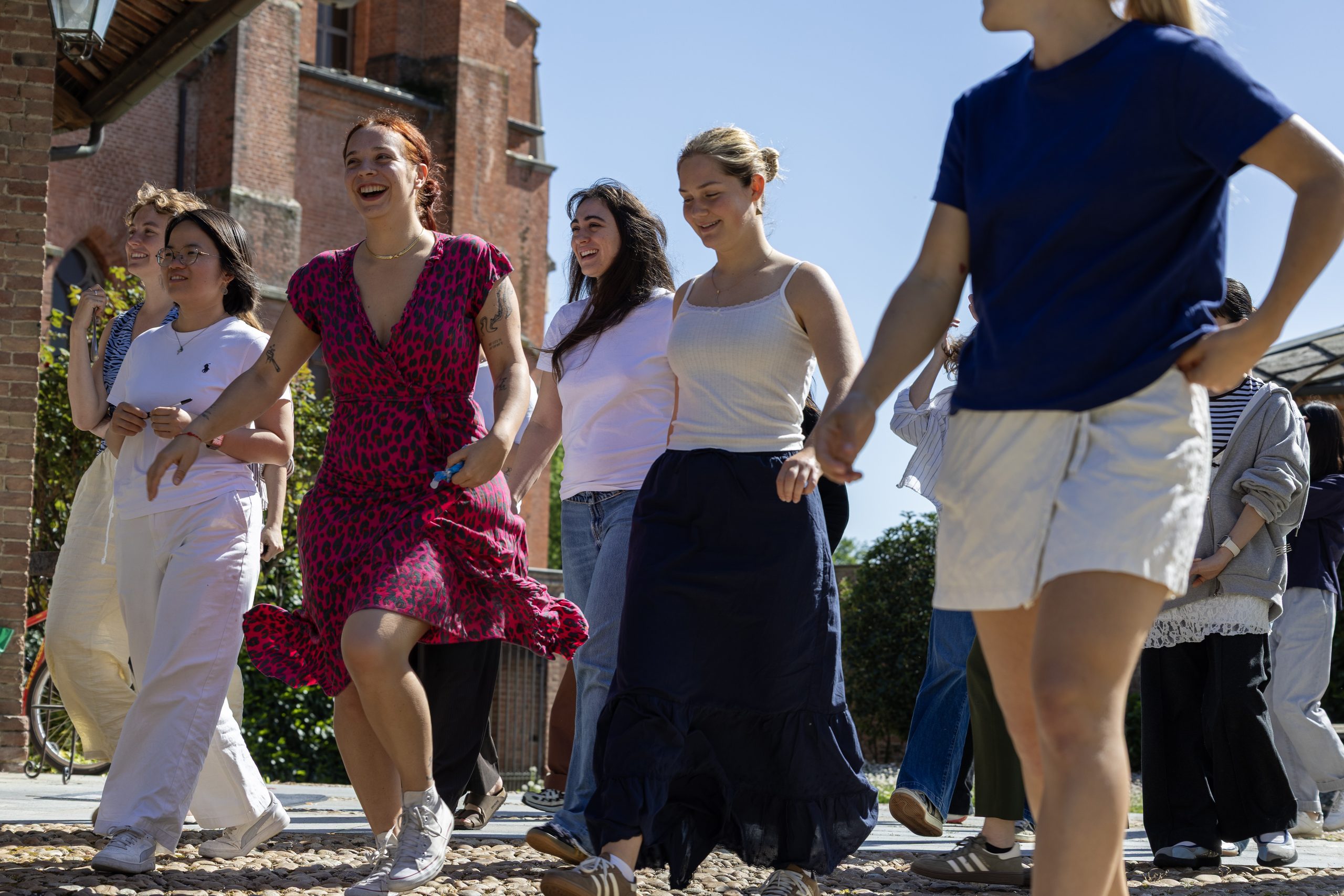
The link between nutrition and health, both physical and mental, is now well established by scientific research in the medical, psychological, technological, and social fields.
Alterations of taste, degenerative diseases, eating disorders, obesity, but also prevention and treatment: food is both a cause of problems and a source of solutions and responses for promoting awareness of the true well-being of the person, the environment, and healthy and sustainable lifestyles.
Our Faculty’s Areas of Expertise
Digital tools for promoting healthy dietary patterns • Health, nutrition and the environment • Food, well-being and quality of life • Taste and health • Taste education • Aesthetics of taste • Genetics of taste • Climate change and eating disorders • Food and sociocultural change • Food and social inclusion • Bioethics • Education and creativity in perception • Philosophy of life sciences and medicine • Philosophy as a way of life and wisdom
Quality, Innovation and Technology
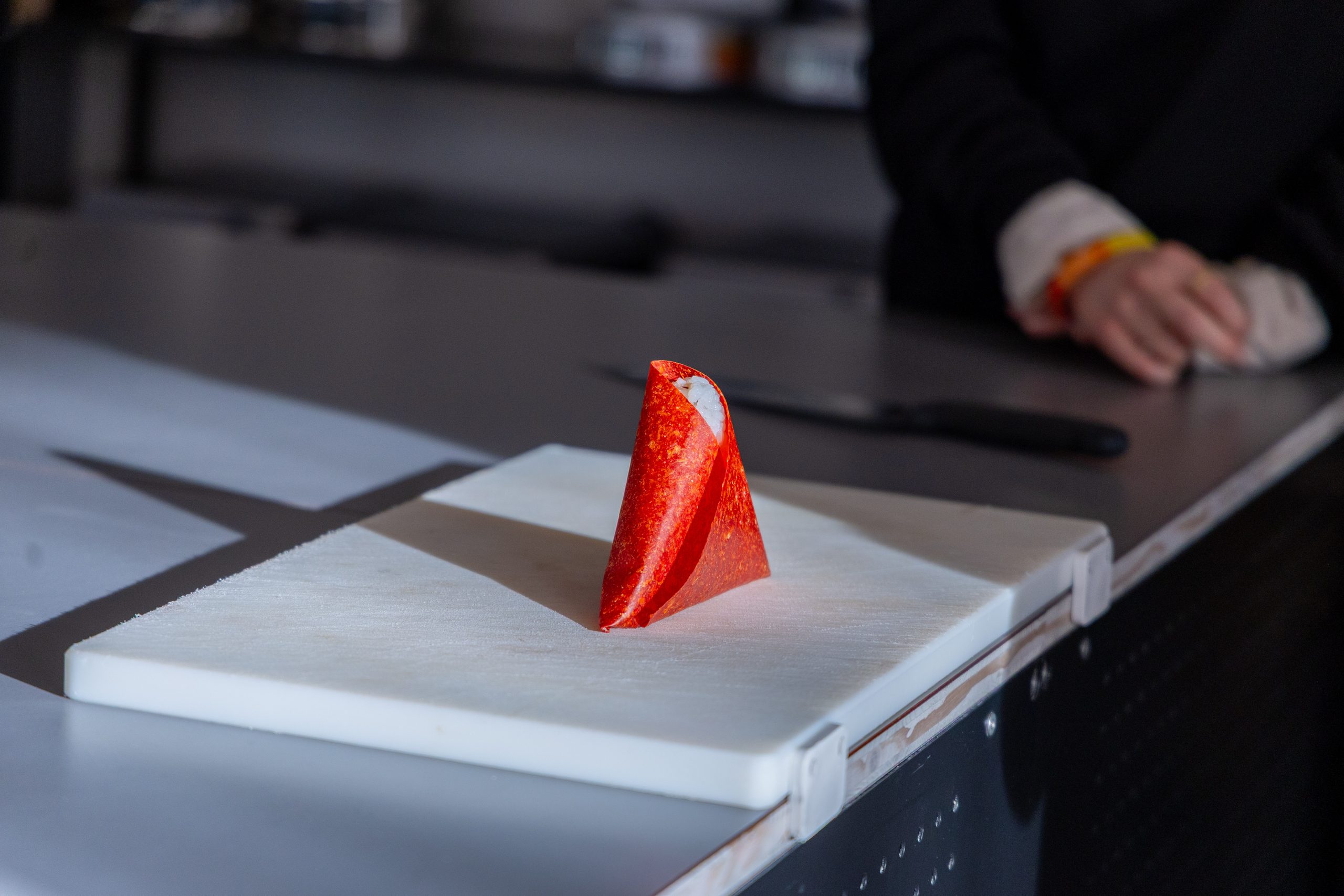
Food is at the center of a continuous process of technological innovation, aimed at improving the quality of processes and products.
The revolution brought by Artificial Intelligence is opening up possibilities in sectors where its use was unthinkable just a few years ago, from agriculture to food processing.
From smart packaging to automation and robotics, from geospatial analysis of territories to food waste management, all the way to digital communication: in this area, models and systems are studied and developed to meet the needs of the food of the future—healthier, more ecological, and more sustainable.
Our Faculty’s Areas of Expertise
Theories of perception • Chemosensory analysis • Oral and olfactory sensitivity • Behaviour, food preferences and nudging • Sensory profiling of food and beverages • Food science and technology • Food shelf life • Electronic nose • Food packaging • Vegetable oils • Functional foods • Novel foods • Systemic and Eco Design • Food Design • Food Packaging • Circular economy
Economics, Management and Policymaking
Food lies at the crossroads of interests and decisions pertaining to the fields of economics, politics, treaties, and regulations.
Strategic and geopolitical analyses of markets come together with increasingly pressing issues such as food law and food policy. In this area, initiatives are studied and developed to operate and have an impact in the fields of business management and food policies, both local and global.
Our Faculty’s Areas of Expertise
Global food law • International law and international trade law • Consumer law • European Union law • Protection of agri-food quality • Business and human rights • Food labelling regulations • Corporate social responsibility • Food industry: entrepreneurship, innovation, business models and strategies • Sustainable economic development • Global value chains and resilience to shocks • Economic policies for the development of the agri-food sector • Food security policies • Cultural policy for audiovisual media • Media Regulation and Representations of Food

Ecology, Climate Change and Biodiversity
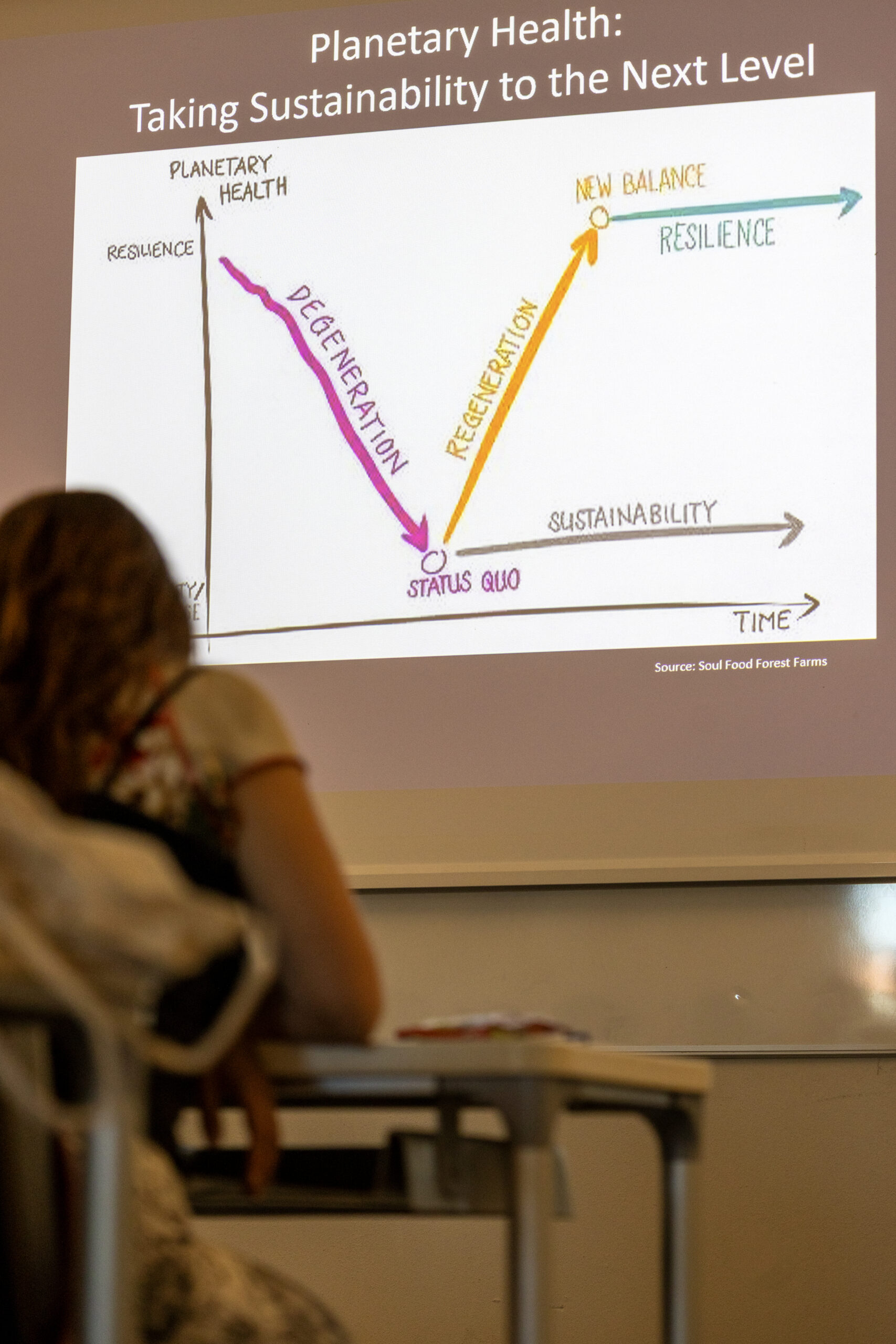
The climate crisis is also reshaping the global food landscape.
In this new situation, it is necessary to regenerate the relationships between food and the environment, agriculture and biodiversity, territories and societies, through the tools offered by new ecology, the biology of land and sea, epidemiology, and complexity theories from a One Health perspective.
Our Faculty’s Areas of Expertise
Climate change • Biodiversity, biocultural diversity and its conservation • Fisheries and aquaculture • Ecology and food webs • Green and blue regeneration • Assessment of human impact on the environment • Transition to agroecological approaches • Ecological, sustainable and organic farming • Sustainability assessment using agroecological indicators • New approaches to environmental and agroecological education • Gender issues in agriculture • Historical ecology and local traditional ecological knowledge • Sustainable cities of the future
Cultural Heritage, Traditions and Art
From the very beginning, food has been both need and desire, nature and culture.
Food shapes societies, communities, histories, and geographies. Everywhere, it is a marker of civilization, of dialogue and exchange, but also of conflict and contention. Through food, the traditions in which people recognize themselves have developed, and so have creativity and ingenuity. The field of cultural heritage and of communication through the media of the arts is increasingly at the center of social interest and research.
Le expertise della nostra Faculty
Food history and culture • Postcolonial studies • Food and migration studies • Local geographical and naturalistic knowledge • Geography of landscapes and terroirs • Rural, environmental and gastronomic heritage • Ethnobiology, local knowledge and its dynamics • Food and wine tourism • Food and art • Cinematic heritage • Food and media