15 October 2014
This was it. After five months of meetings, discussions, multilingual communication, worries, excitement, doubts and brainstorming between us South American students of UNISG, we were off to the biggest and possibly the most important gastronomical festival of South America, being held in Lima, Peru. We were going not only to have a glimpse of it but also to be part of the experience, to be one of the numerous elements that composed this “food storm” called Mistura. The aim was to share with the young Peruvians our meaning of gastronomy and what it entails, and to explain our role as Gastronomes, usually requiring first the caveat “No, we don’t study to be cooks,” before moving forward to describe the actual programs that UNISG has to offer.
It was striking and almost intimidating the way the queues of young chefs-to-be received us at the entrance of the festival, emanating a sense of belonging, of knowledge, of territorial identification only by the sole fact that they were wearing their spotless outfits. And there we were, jetlagged and tired, carrying banners and boxes full of flyers ready to beat all the odds. We had a mission and our ideals were strong but the physical reassurance of the moment just felt somewhat flaky. Despite this sensation, we were finally at Mistura, but most importantly, in South America, our home, and we could feel it.
Throughout the 10 days of the fair, various activities were organized. For example, Sensory Analysis, where people were asked to taste and differentiate samples of distinct products like coffee, oil, chicha morada (a traditional purple corn beverage) and cacao in order to appreciate the importance of understanding their individual palate’s sensibility. We also organized an Eat-In, where we had the opportunity to bring together around a table farmers, producers, prospective young students and representatives of the Peruvian gastronomy with the simple goal of sharing stories, food, life experiences and in this way approximating our values and opening doors for new horizons.
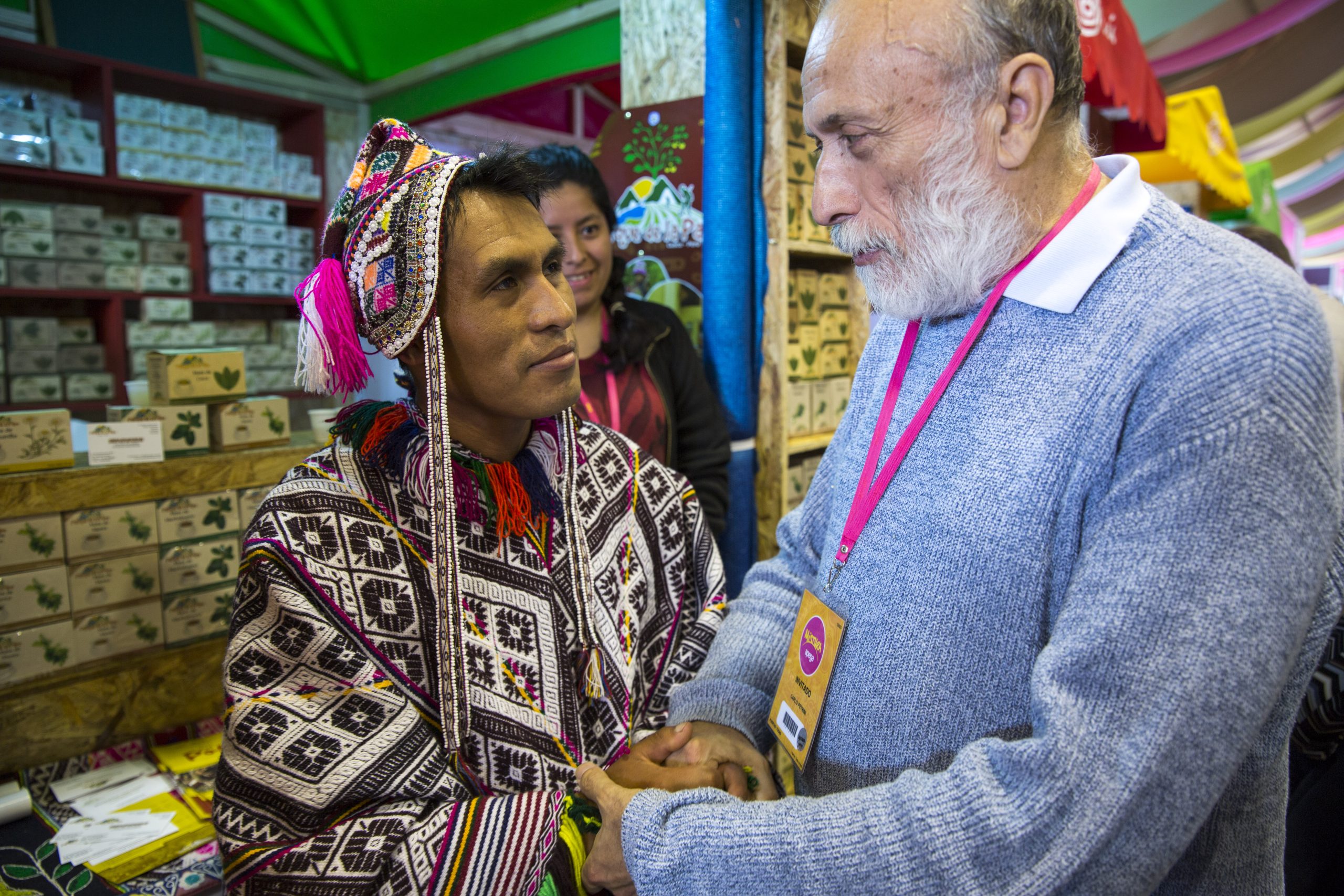
The array of cultural activities that Mistura had to offer was vast, starting from the fact that producers from all over Peru were present either with a food stand or in the Gran Mercado, which was a fundamental element of our visit in Peru. The Gran Mercado showcased over 300 producers, each with their unique products, promoting diversification and awareness of the food we are currently consuming/buying. A place where we could feel the essence of each diverse region of Peru, from tropical forests, deserts, mountains and hills to rivers and the Pacific. Diversity that shaped an identity, an identity that has enriched Peruvian gastronomy and which in every way stood by the concept of good, clean and fair food, with a special emphasis on the hands behind each and every single product. Not to be forgotten: Qaray, a three-day long private event that gathered important figures from and international gastronomy, where food, experiences and knowledge were all shared, highlighting artisanal preparations, presenting renowned gastronomic figures, and also emphasizing the importance of women’s role as propagators of tradition and the starting point of all human nourishment.
Mistura tried to merge the cultural aspect of gastronomy into the more “mundane” side of a food fair, which is and will always be eating. The North, South and Amazonia had space to bring their flavors and unique cuisines and products to all the thousands of visitors coming into the fair. There were also representative popular fusion cuisines, the most important being Nikkei (Japanese-Peruvian fusion) as well as food trucks, local beer made with quinoa and the famous emoliente, a medicinal beverage made of wheat, medicinal herbs and fresh fruit juice, warming and delicious.
Overall we can say that all the elements in order to make it an incredible culturally and gastronomically rich fair were present, but unfortunately despite all the great activities and opportunities Mistura had to offer to the public, most people were opting for the more popular aspect of what a "food fair" usually stands for in South America. In other words eating, or rather eating as much as you can, especially if an entrance fee is involved, as it was at Mistura. Consequently visitors were overfeeding themselves without curiosity or awareness of the history behind each dish. The fair visitors had little interest in involving themselves in an engaging activity because their empty stomachs and colored tickets were coming for a different purpose.
It is a pity that economically driven decisions and lack of awareness overshadowed the true meaning of an event of this sort, because gastronomy and gastronomic events are much more than just eating. They involve the ingredients and the hands that helped to produce them. After all, eating can be also considered a cultural, social, and even political expression of who we are and where we come from.
Sebastian Burgos, Valeria Merlo and Matheus Esteves