26 March 2026
In recent years, bees have become an increasingly familiar presence in urban landscapes. And that shift says something meaningful about how we're rethinking the relationship between cities and the natural world.
Urban beekeeping started as a practical experiment, but it carries with it a much broader set of questions: cultural, environmental, educational. Bees are not just honey producers. They are essential pollinators and, at the same time, remarkably precise indicators of the health of the environment around them.
In a city, their work takes on a particular kind of significance. The honey produced by urban hives tells you which flowers are blooming and how biodiversity is distributed across a neighborhood. In some cases, it has even proved useful for monitoring air quality and detecting the presence of heavy metals. What bees collect becomes a way of reading the ecosystem they move through.
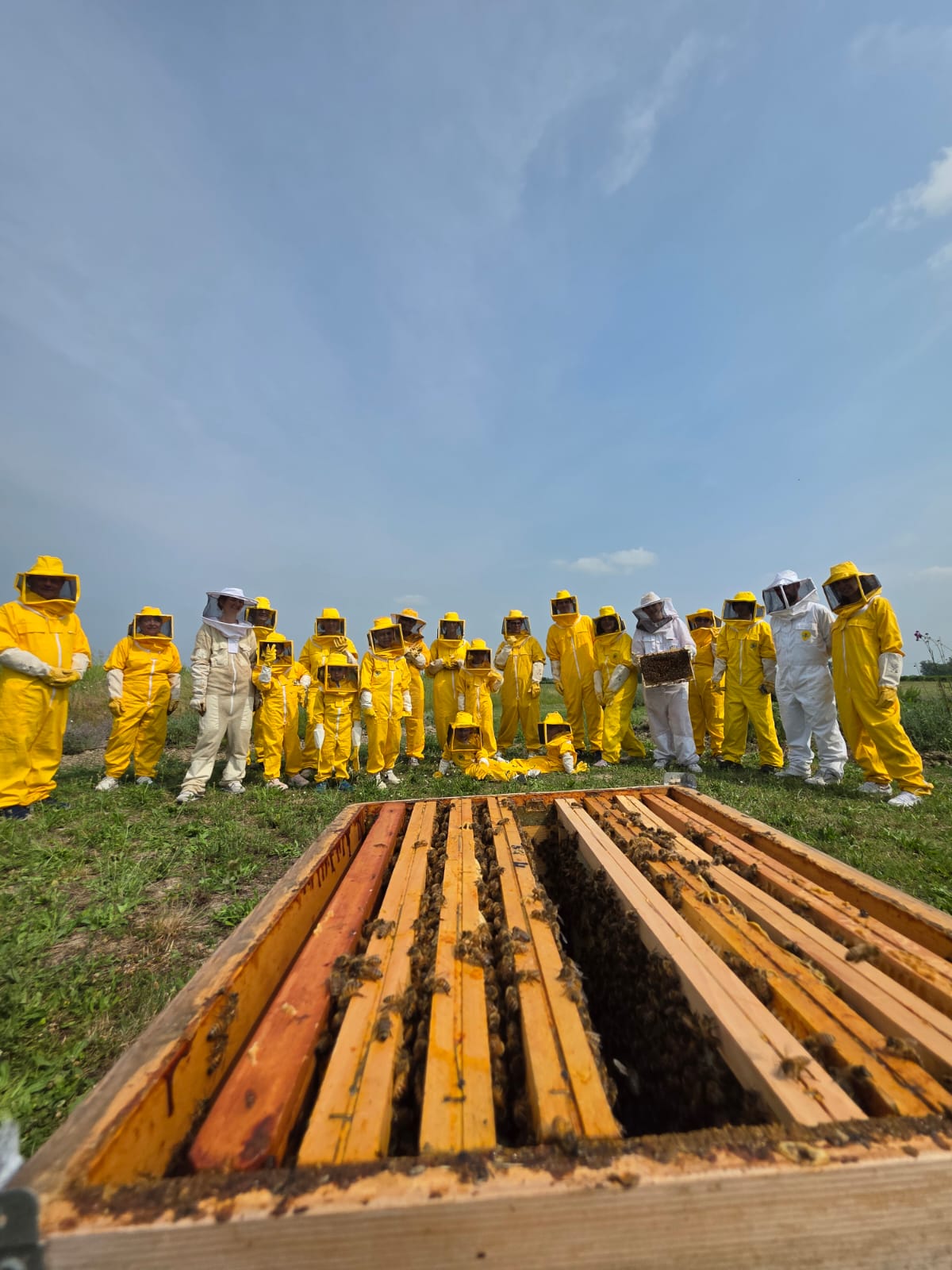
But the presence of bees also has a social dimension. Installing hives in a neighborhood means bringing nature back to places that had lost it. It sparks curiosity among residents, opens up educational pathways, and creates new conversations between people and their environment. For children especially, being able to observe a hive up close becomes a genuine experience of connection with the living world, something increasingly rare in everyday urban life.
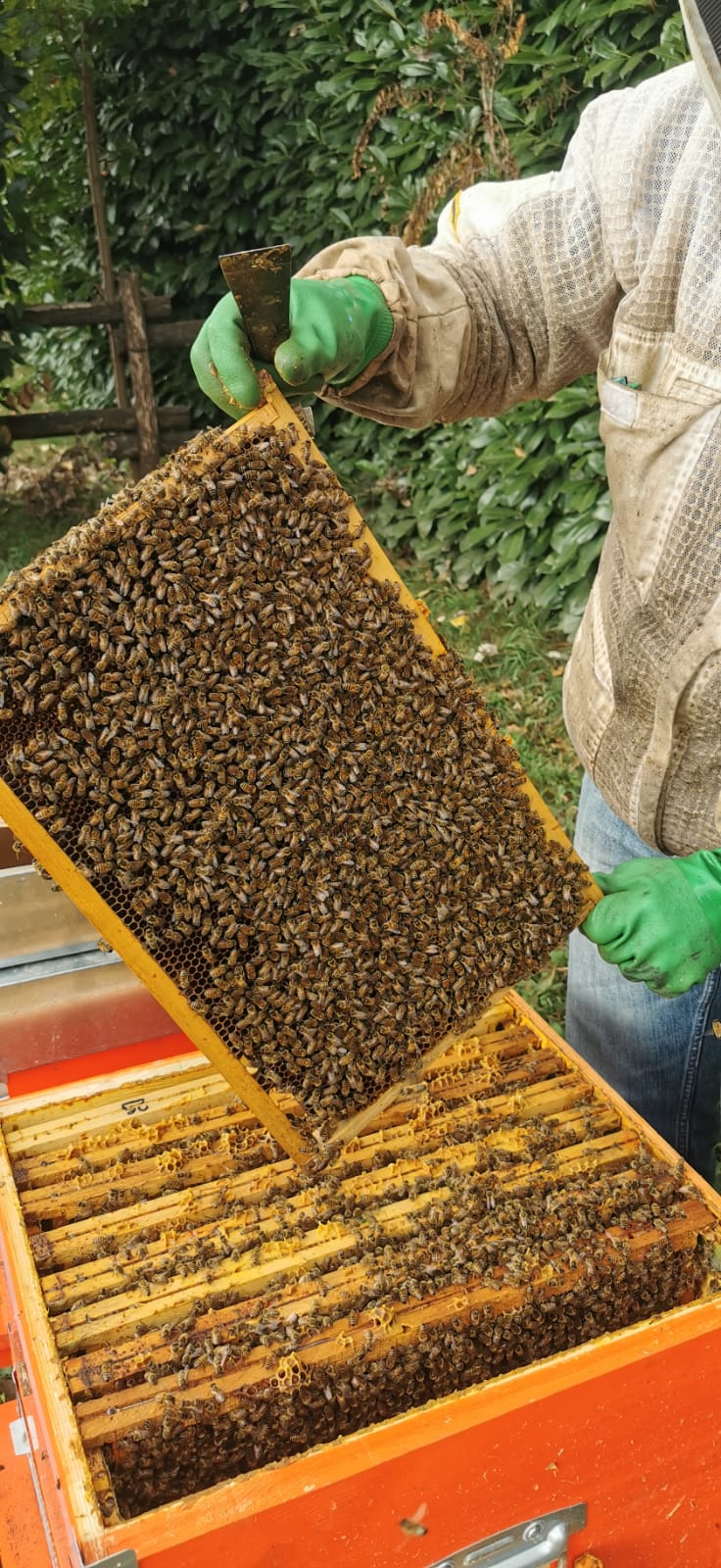
Then there is the gastronomic value of urban honey. Not just as a food, but as a product that reflects a place. Every harvest carries the botanical traces of that season and that location. In this sense, honey is also a kind of document: a synthesis of what blooms nearby, a small map you can taste.
These are all themes that sit close to the work and vision of the University of Gastronomic Sciences in Pollenzo. Long attentive to the relationship between food, sustainability, and landscape, the university sees urban honey as a meeting point between scientific knowledge, food culture, and environmental observation.
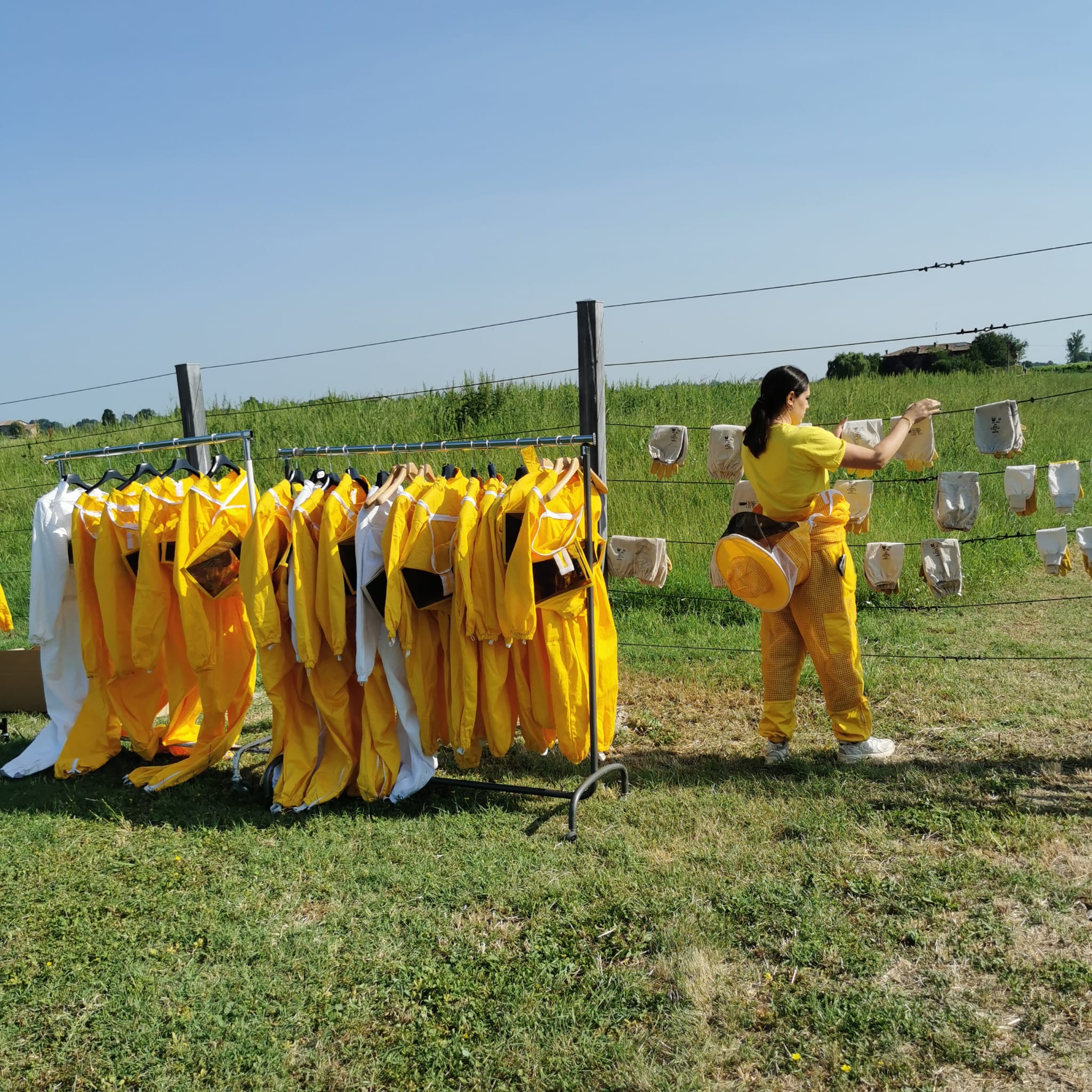
That's why the Pollenzo campus is now home to several hives, as part of a broader collaboration with Apicoltura Urbana. The bees work in a shared space, and the honey they produce enters the university's internal supply chain. A small gesture, but one that reflects a concrete, shared vision: a city where nature is no longer an exception, but a vital part of daily life.