04 November 2026
Wednesday November 4th, 2026 11,30am and Thursday November 5th, 2026 5,30pm in Aula 6
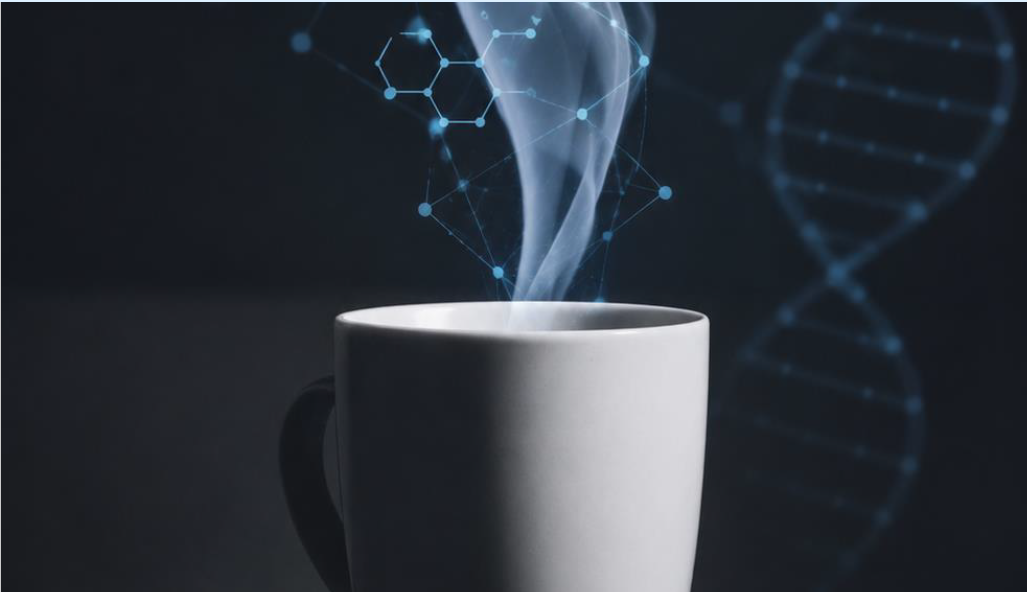
The landscape of flavor science is undergoing a digital transformation. As computational power converges with molecular biology, we are entering an era where the sensory experience of food can be predicted, simulated, and designed in silico.
This workshop explores the frontier of chemosensory systems modeling, providing an integrated framework for bridging the gap between chemical compounds and biological perception. Participants will learn how to decode the language of molecules by transforming chemical structures into machine-learnable representations and using them to predict specific sensory attributes. In parallel, the workshop introduces AI-driven protein structure prediction and molecular docking approaches to investigate how flavor-active ligands interact with biological targets at the molecular level.
Together, these approaches establish a cohesive framework for digital sensing, connecting molecular structure, receptor interaction, and sensory function. Through case studies from our research group, participants will explore how this framework can be used in two emerging areas of food science: engineering taste profiles for functional peptides and designing precise aromatic signatures for advanced olfaction discovery.
Antonella Di Pizio
Professor of Chemoinformatics and Protein Modelling at the Technical University of Munich (TUM).
Since 2018 she has led the Molecular Modelling Group at the Leibniz Institute for Food Systems Biology.
Her current research focuses on the molecular mechanisms of taste and olfactory perception:
Prof. Di Pizio is committed to digitizing food molecular systems and developing predictive models that align food technology with human health and sensory preference, thereby facilitating data driven food transformation.