17 May 2024
This thesis explores the intertwining narratives of wine, spirits, and drunkenness in art history, examining the cultural, social, and symbolic significance of these elements. In this case, I have examined the presentation of wine, spirits, and drunkenness in art in two significant art periods: the Dutch Golden Age of the 17th century and late 19th/early 20th-century Europe from Realism to Cubism. In doing this, I have also examined the cultural and political forces in place that shaped how alcohol consumption was perceived and presented by selected artists of these periods, some of whom were also enthusiastic consumers. While it is not my primary intent to provide commentary on the societal usage of wine and spirits, it is sometimes unavoidable and even necessary to understand why artists tackled this complex social issue as they did.
During the Dutch Golden Age, there was a triumphant and euphoric feeling from those who were part of this unique European State. In the midst of throwing off the Habsburg of Spain, the newly minted Dutch Republic was unencumbered by a self-serving monarchy and adopted a soft-governance approach which allowed for unique freedoms within Dutch society. As a result of these circumstances, and taking advantage of their geographical location in Europe, the Dutch Republic became the wealthiest country on the continent through their global trading empire. The Dutch Reformed Church, while not technically a state church but rather a “privileged” one, scraped off the largess of the previous Catholic theology and centered itself as an unadorned pathway to God. As a result, church commissions for religious paintings were no longer a source of income for Dutch artists and, as a consequence, those artists pivoted to other subjects that would appeal to a patriotic, growing, and generous merchant class and the category of Dutch genre painting evolved. All manner of Dutch life was represented including drinking to excess and the social disorder that was a result. However, it was generally portrayed with gentleness and humor and without strong moral judgement.
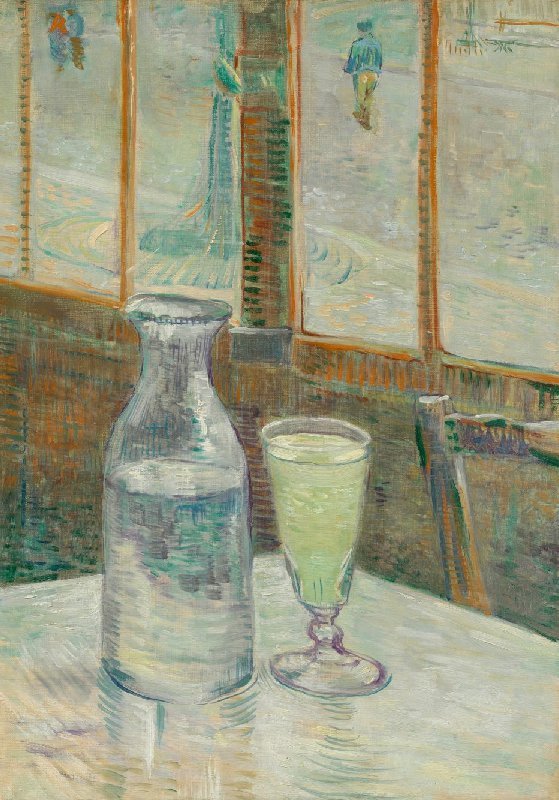
By contrast, France was in an extreme state of political and social upheaval during the early and middle 19th century and that turmoil permeated all walks of French life including the arts. With the Industrial Revolution driving a wedge between the “haves” and “have nots” and subjugating the less fortunate working class to the squalor of the hastily created, dehumanizing cityscapes of the day, coping often meant abusing alcohol and especially absinthe, known as the green fairy. The artists of that era, from Realists to Cubists and from Manet to Picasso, many of whom were also enthusiastic consumers of absinthe, captured the human damage inflicted and it is reflected in their poignant works.
By examining works of artists of both the Dutch Golden Age and those of Europe in the late 19th and early 20th century, I have drawn contrasts between the two approaches of representing the social phenomenon of the overindulgence of alcohol and what circumstances caused those differences to occur.