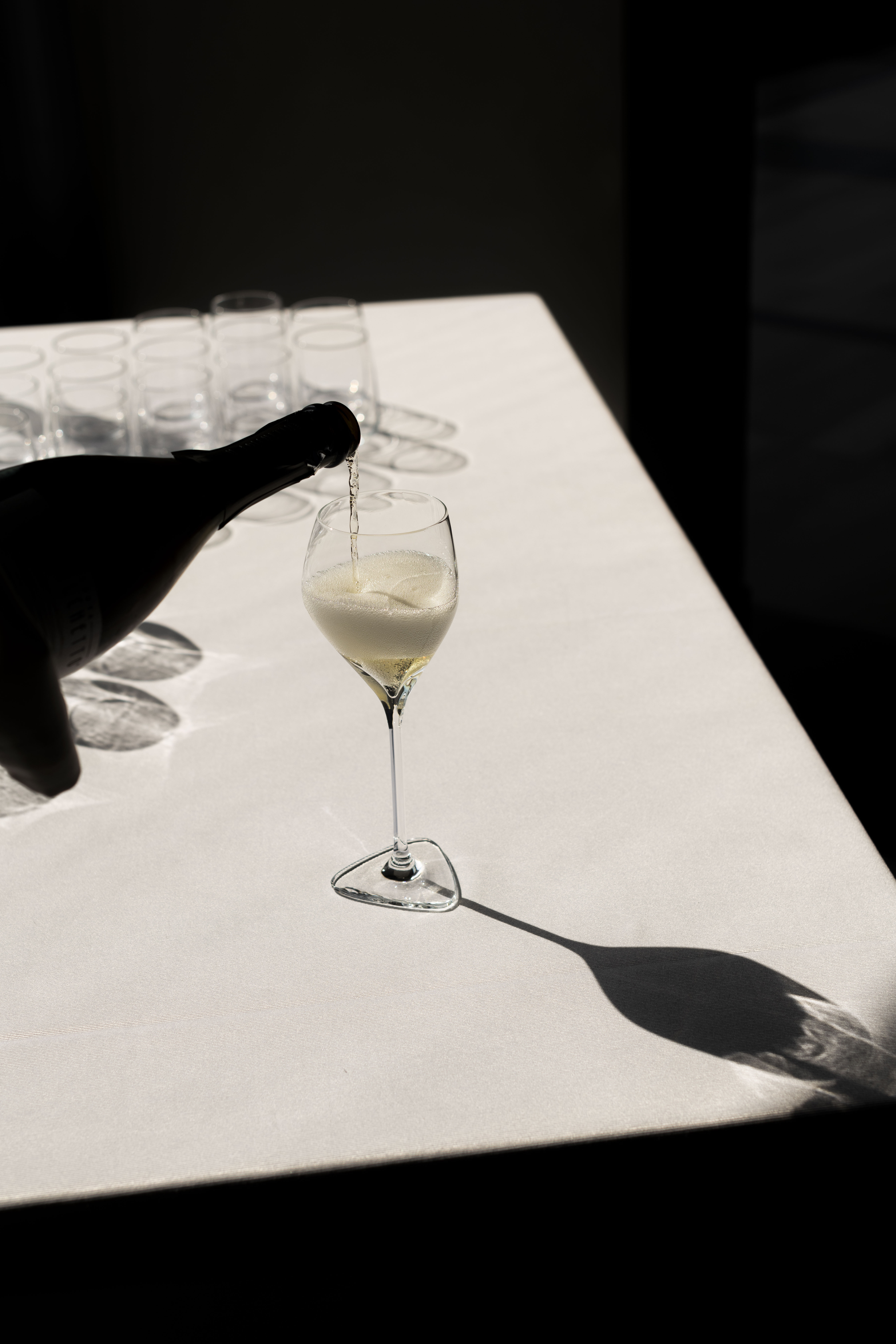
The Noble Origins of Piedmontese Sparkling Wines
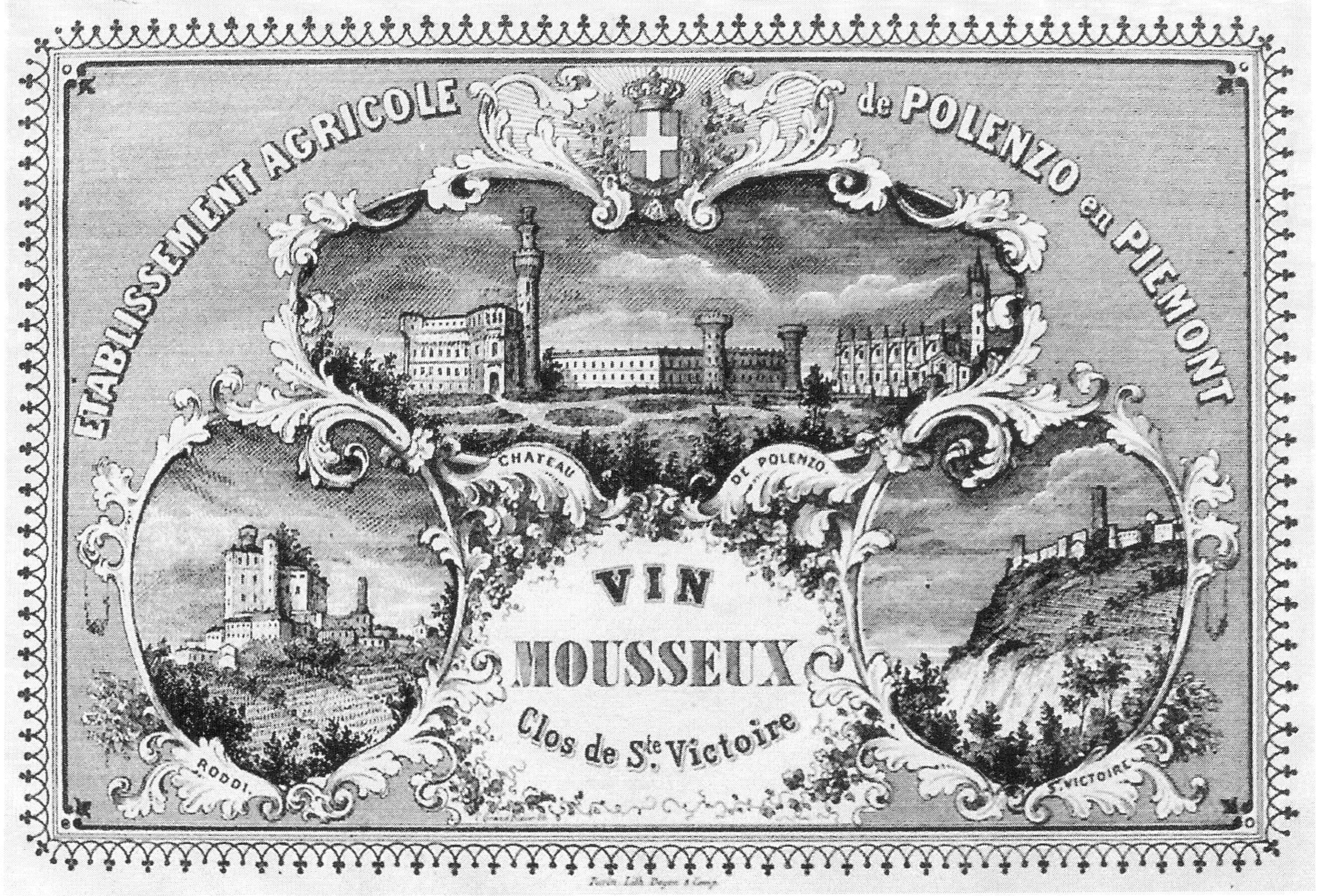
Pollenzo, Alta Langa, and the Long History of the Traditional Method
Piedmont's interest in sparkling wine has deep, ancient, and well-documented roots. Historical sources indicate that, as early as the 16th to 18th centuries, a region was known for producing effervescent wines. At a time when sparkling was still a spontaneous and unsystematized occurrence, these hills were already ahead of their time, cultivating a taste for vibrant, lively wines with a different kind of elegance.
With the beginning of the 19th century, the arrival from France of the traditional method – the so-called méthode champenoise, which combines technical rigor with commercial vision – marks the beginning of a new era. The second fermentation in the bottle, remuage, dégorgement, and the addition of liqueur d'expédition transform sparkling wine into a clear, stable, and sophisticated product, fit for royal courts and official banquets. Piedmont observes, understands, and responds in its own way.
A Vocation That Takes Shape in Pollenzo
In those same years, at the heart of the Kingdom of Sardinia, Carlo Alberto of Savoy launched one of the most ambitious agronomic undertakings of his time. The goal is clear: to make Pollenzo a center of innovation, rational and productive, in service of the country's agricultural modernization. In 1832, work commenced on the redevelopment of the castle, the village, and the surrounding lands. Thus, the Agenzia di Pollenzo is born: a technical and managerial model for all royal estates.
One of the key goals of this project was to produce high-end wines that could represent the quality of Piedmontese viticulture at the royal table and abroad. In this context, sparkling wine becomes a priority. For the technical management of the winery, General Paolo Francesco Staglieno is appointed – a prominent enologist of the time – tasked with attempting something never before achieved in Italy: producing a sparkling wine to rival Champagne.
From Theory to Practice: The Moscatello Cellar
Producing a high-quality sparkling wine required specific elements:
- underground cellars with stable temperatures,
- dedicated materials and equipment,
- significant economic investment,
- technically trained personnel.
These conditions come together for the first time in Pollenzo, during the decade between 1838 and 1848. Staglieno begins the initial trials of the traditional method, outlining its technical path. After his departure in 1843, production continued along the lines he had defined. Specifically for the production of the "King's Champagne," the decision is made in 1846 to build a fully underground cellar that meets the standards already proven effective in France.
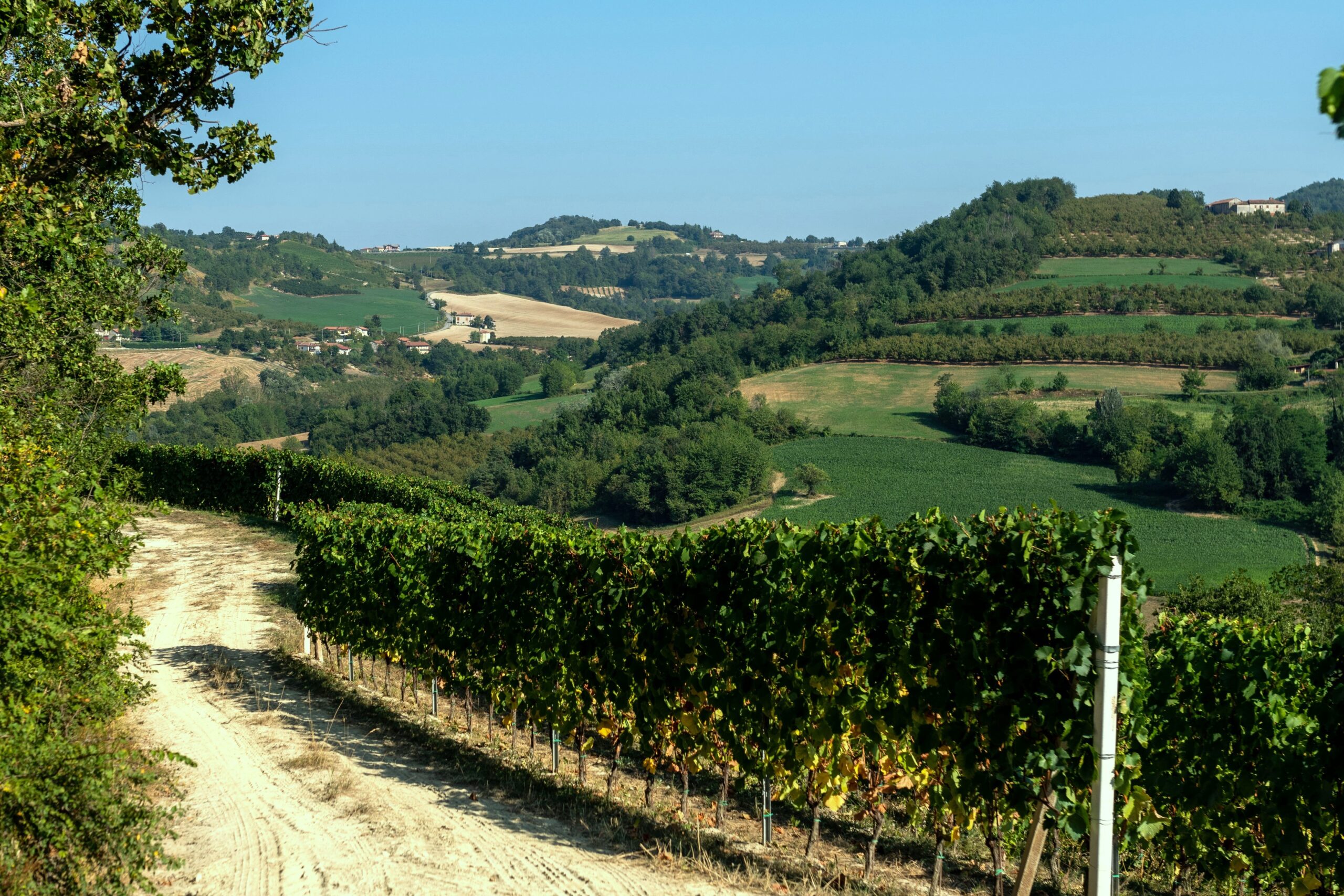
Thus, the Moscatello cellar is established in Santa Vittoria d'Alba, one of the four estates linked to the royal property of Pollenzo. Carved into the hillside, the structure features underground galleries, controlled temperatures, and the capacity for long-term aging, aligning with the most advanced sparkling wine techniques of the time. Just three years later, in 1849, it already holds 40,000 bottles of wine in refinement. The experiment is complete; the vision has been fulfilled.
The Industrial Evolution of a Tradition
In the second half of the 19th century, the project underwent significant evolution. The cellar is under the management of the Cinzano Company, already well-known for its vermouth and distillates. Cinzano expands its production of the traditional method, transforming the Santa Vittoria site into one of the most significant sparkling wine production centers in the province of Cuneo. The Piedmontese method – born from royal ambition and technical innovation – matures, while retaining its original commitment to quality and finesse.
Alta Langa, Memory and Modernity
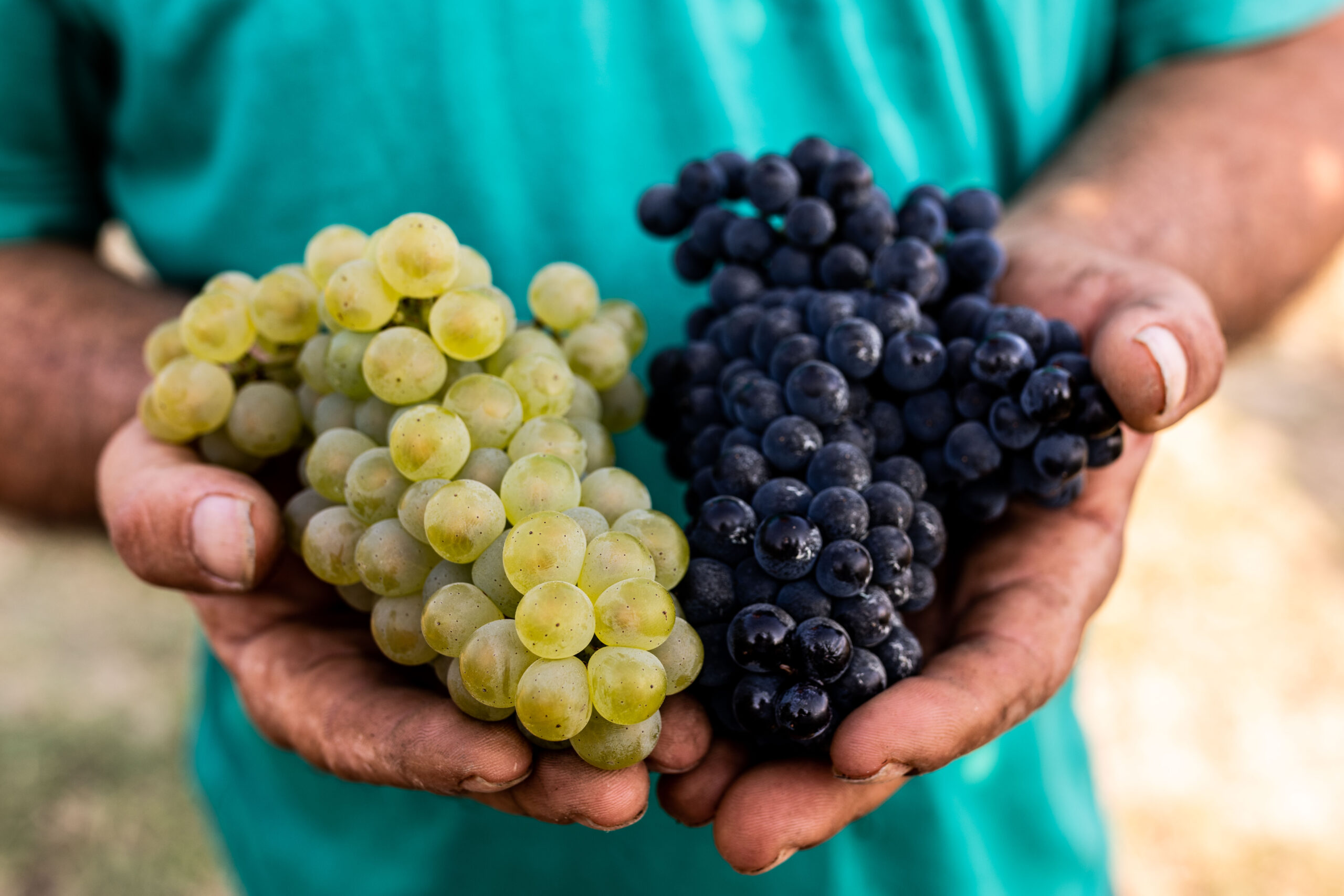
Today, that heritage is renewed in the Alta Langa hills, in a landscape seemingly designed to support and enhance the production of high-quality sparkling wine. The Alta Langa DOCG appellation requires:
- Pinot Noir and Chardonnay grapes, vinified in purity or blended;
- Vineyards are planted exclusively at higher elevations (above 250 meters);
- Mandatory vintage indication (millesimato);
- Minimum 30 months of bottle aging on lees.
It is a demanding, precise viticulture, requiring time, knowledge, and patience. Every bottle tells the story of a landscape, a climate, a culture. Every bubble carries with it the long memory of a project born in the royal court, matured in stone cellars, and today pursued with renewed awareness and discipline.
In continuity with this deep connection to the history of Pollenzo and the excellence of the traditional method, wines from the Alta Langa Consortium today accompany certain official occasions at the University of Gastronomic Sciences.
A discreet yet meaningful gesture, reaffirming an identity: that of a territory which has made patience and quality its defining traits – even in the glass.